
How to Choose the Best Chemistry Lab Island for Modern Laboratories?
When picking the right chemistry lab island bench, you need to carefully think about the quality of the materials, the amount of space you have, and how you will be using it. In modern labs, a laboratory island bench is the main workplace. Its 360-degree usability makes it easier for people to work together and speed up the work process. When choosing between choices, procurement managers should put chemical resistance, structural integrity, safety standards compliance, and the ability to change to changing research needs at the top of the list. Knowing these basic things will help your investment last for a long time and work well in tough places like chemistry, biotechnology, and pharmaceutical research labs.
Understanding Laboratory Island Benches: Definition and Types
What Makes Island Benches Different from Traditional Lab Furniture
The idea behind Laboratory Island Benches is a big change in the way labs are designed. Wall-mounted units make it hard to move and get to, but these desks in the middle make it possible for experts to come from any direction. This set-up is especially useful in collaborative settings where several workers need to use tools or materials at the same time. The open plan also makes it easier to supervise, train, and talk to each other as a team, which helps with common problems with standard linear lab layouts that slow down workflow.
Common Configuration Options Available Today
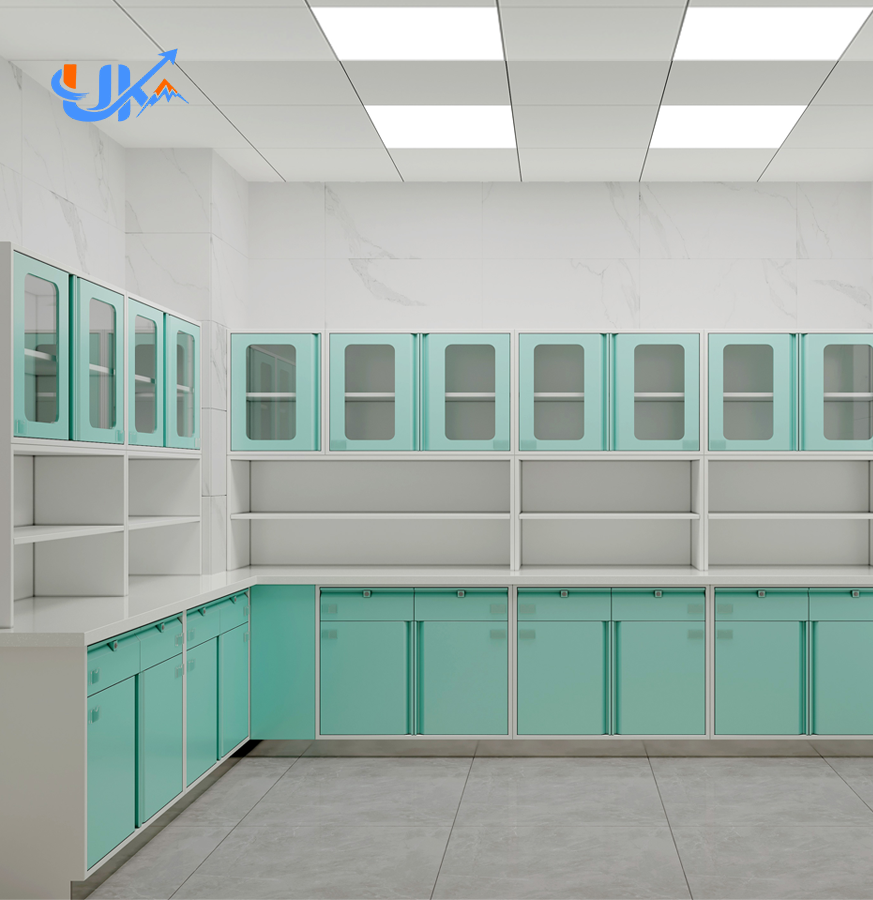
Modern laboratory island bench systems come in a range of different structure types to meet the needs of different labs. Modular setups have parts that can be switched out and can adapt to changing research goals. This makes them perfect for facilities that want to grow or change how they do things in the future. Heavy analytical tools are most stable when they are installed in fixed locations, but they lose some of their freedom. You can easily get water and drainage for wet chemistry tasks with models that have sinks built in, and storage options like cabinets and boxes keep chemicals and tools close at hand. Each configuration solves a different operating problem, such as making the best use of room or making sure safety rules are followed.
Material Choices That Impact Performance and Longevity
The materials used to build your laboratory island bench have a direct effect on how well it handles the tasks of daily lab work. Cold-rolled steel frames that have been powder coated with epoxy resin are very resistant to chemicals that break down metal, and they stay rigid even when big loads are put on them. Different types of worktops are available, such as solid-core physical and chemical boards that can handle strong acids and bases and ceramic surfaces that are better at withstanding heat. Some companies now make counters that can withstand acids, alkalis, and thermal shock for 24 hours. These countertops meet SEFA standards, which are needed by pharmaceutical and petrochemical labs. The materials you choose should be compatible with the chemicals and processes that your business uses on a daily basis.
Key Criteria for Choosing the Best Chemistry Lab Island Bench
Assessing Your Laboratory's Spatial and Operational Requirements
Before you buy a laboratory island bench system, you should carefully measure the room you have and how people will be using it. Check the space around where the installation will go, making sure to include door swings, emergency exits, and ways for getting to the equipment. Find out how many people will be working at the bench at the same time during peak hours. This will tell you how much straight room you need. When planning overhead service carriers for utilities, you should think about how high the roof is. For example, labs that do high-throughput screening need different arrangements of space than labs that do precise analysis work. Write down the steps you take now and think about how new study projects might change the way you work in the next five years.
Chemical Compatibility and Safety Standard Compliance
The furniture in chemistry rooms is often exposed to harsh chemicals that can damage it and make it unsafe. The laboratory island bench you choose must be able to stand up to the chemicals your team works with every day, whether they are strong acids, organic solvents, or caustic bases. Check that the materials on the worktop meet well-known standards like the SEFA 3 chemical spot testing procedures, which test for protection against 49 different chemicals. For pharmaceutical production settings, following GMP rules is very important, and cleanroom uses need smooth surfaces that don't let particles build up. Ask for proof of standards like ISO 9001, CE marking, and ISO 14001 environmental management. These show that the maker cares about quality and following the rules.
Evaluating Structural Durability and Maintenance Demands
How long your investment lasts depends a lot on how well it was built and how easy it is to maintain. Carefully read the frame specs. High-end units are made of 1.2mm to 1.5mm cold-rolled steel and have welded joints instead of bolted links that come loose over time. To keep big machines like mass spectrometers and centrifuges from moving, the static load capacity should be higher than 400 kg per linear meter. It doesn't matter what kind of finish the surface has; smooth, uniform tables make cleaning up easier and keep spills from staining them. Ask possible providers about maintenance needs, such as the best cleaning products to use and how often the equipment should be serviced. Systems that need special upkeep steps may have secret long-term costs that cancel out any savings made in the beginning.
Balancing Initial Investment Against Total Cost of Ownership
Every choice about what to buy is affected by the budget, but only looking at the price of something often doesn't help. Find the total cost of ownership by taking into account the expected lifespan, how long it will take to be delivered, how hard it will be to install, and the guarantee coverage. Comparing fully completed units to modular designs that are built from blocks saves a lot of money on shipping costs. Standardized parts make repairs and growth easier in the future, which could lower upkeep costs over many years of use. Think about how quickly a seller can send you new parts or help you with technical problems. When facilities have unplanned downtime, they lose productivity that far outweighs any savings they might have made by picking cheaper options in the first place.
Comparative Analysis of Popular Laboratory Island Bench Options
Island Versus Traditional Wall-Mounted Bench Systems
Whether you choose laboratory island benches or wall-mounted chairs has a big impact on how efficient and flexible your lab is. By getting rid of dead spaces against walls, laboratory island bench layouts make the most of usable space, increasing practical area by up to 40% in equal square footage. This set-up also makes it easier to distribute utilities above the tests by using service carriers that are placed on the roof. But traditional wall benches make it easy to connect utilities and can be cheaper to put in buildings that already have the right equipment in place. Labs that value flexible plans and working together find that laboratory island benches meet their needs better than setups around the edges.
Material Performance: Steel Versus Laminate Construction
Depending on how hard the job is, steel and plywood bench systems each have their own benefits. The epoxy finish on full steel construction makes it extremely resistant to corrosion, fire, and the growth of microbes—all of which are important for pharmaceutical GMP settings and chemical testing labs. These machines can hold more weight and keep their structural stability after decades of heavy use. The starting cost of laminate surfaces is lower, and they work well enough in educational settings or regular testing rooms where chemicals are not as harmful. For buildings that have to deal with concentrated chemicals, strict regulatory control, or equipment that makes a lot of heat or vibration, we suggest steel construction.
Modular Flexibility Versus Fixed Installation Stability
This choice has an effect on both how things work right now and how they can be changed in the future. Modular laboratory island bench systems have parts that can be switched out and rearranged as study needs change. This keeps your investment from becoming useless over time. This gives labs that expect to grow, change processes, or have different project needs more freedom. The knock-down structure also cuts down on shipping costs and makes it easier to put together in places that are hard to get to. Fixed placements provide the most rigid support for delicate analytical instruments that need fixing bases that don't vibrate. They work best in facilities that have been around for a while and have stable processes that probably won't need major plan changes. When deciding between these choices, look at the strategic goals and study the trajectory of your company.
Storage Integration Impact on Workflow Efficiency
With built-in storage, laboratory island benches go from being simple work areas to full desks that make people more productive. Putting cabinets under desks makes it easy to get to frequently used chemicals, tools, and safety gear, so you don't have to go to different storage areas as often. Drawer systems with chemical-resistant innards keep work areas clean while keeping small things safe. Large amounts of storage, on the other hand, make it harder to get your knees up for seated jobs and may limit where you can put your tools. Find a good balance by only defining storage units where workflow analysis shows a real need. This will leave room for freedom and ergonomic placing.
Design and Installation Guidelines for Modern Chemistry Lab Islands
Sizing Standards and Layout Optimization Strategies
The right measurements will make sure that your laboratory island bench helps with lab work instead of getting in the way. Standard modules for a single cabinet are 470 mm wide, 520 mm deep, and 830 mm high. Modules for a double cabinet are 900 mm wide. For plumbing connections to fit, water tank units usually need to be 1440 mm wide and 720 mm deep. Plan for at least 1200 mm of space on all sides of the Laboratory Island Bench to make it easy to get around and meet mobility standards. Place the bench in a way that makes sense for the flow of work, putting together areas where related tasks can be done while still allowing clear views of the whole lab. You might want to add overhead service carriers to the laboratory island bench so that it can receive power, gases, and data lines without blocking work surfaces or making them more likely to trip.
Essential Safety Features for Chemical Handling Environments
In addition to good structure, chemistry labs need multiple safety devices that work together. Chemical-resistant tables with sealed ends stop liquids from getting in and damaging building materials or making cleaning harder. Polypropylene drip cups that are built in catch spills before they get to the floor or storage areas. Reagent racks with safety glass shelves keep commonly used chemicals organized while still being easy to see and get to. Make sure the seats you choose have built-in eyewash stations and fire extinguisher mounts that are set up according to OSHA rules. Laboratory island bench plans are much better than single-access wall chairs in time-sensitive situations because they can be used from both sides, which lets more people leave quickly in case of an emergency.
Professional Installation Process and Compliance Considerations
Even the best Laboratory Island Bench system won't work as well as it should if it's not set up correctly. Instead of general workers who don't have specialized experience, hire qualified professionals who know how to meet the needs of a lab. As the first step in the construction process, the floor surfaces are checked to make sure they are level—usually within 2 mm of the whole length of the bench—so that sensitive scales and tools work correctly. Local building rules and laboratory safety standards must be followed when connecting utilities for gas, electricity, and water. Installers should test the structure's strength under load and do final checks to make sure all the safety features work properly. Ask for thorough records of the installation process, such as pictures and test results, to help with insurance and facility approval.
Sourcing and Procurement Strategies for B2B Clients
Evaluating Supplier Capabilities and Track Record
A good buying process starts with a careful evaluation of the Laboratory Island Bench provider that goes beyond just comparing prices. Check to see how long possible suppliers have been making laboratory furniture and if they have a specific engineering staff. Look at case studies that show how the company has worked on projects of a similar size and difficulty to the one you have. Suppliers who work with the pharmaceutical, biotechnology, and chemical-making industries know what it takes to meet legal standards that regular furniture makers don't. Ask clients in your business for examples, and then follow up to find out how reliable the delivery was, how well the product worked, and how quickly the company responded to problems. Manufacturing ability is also important. Vendors with big production facilities can handle large orders better and keep quality high across multiple shipments.
Customization Capabilities That Match Your Unique Needs
Standard stock items don't always meet the unique needs of every lab without being changed. Look for sellers that can really customize your laboratory island bench order, not just change the size or color. This includes changing the size of the benches to fit current floor plans, adding special mounts for equipment, or making new utility designs. Being able to do OEM and ODM shows that a maker is ready to work with others to create custom solutions. Talk to possible suppliers in detail about your methods, including the chemicals you use, the specs of your tools, and how your work gets done. Companies that offer design advice can suggest ways to improve your plan that you might not have thought of, which could make your life easier in ways that go beyond just buying new furniture.
Understanding Delivery Timelines and Logistics Considerations
Lead times have a big effect on both project plans and planning for operations. Standard modular laboratory island bench systems usually ship 20 to 40 days after an order is confirmed, but highly customized designs may need more time to be made. Check these dates against the work or repair schedule for your building, and plan for extra time in case something goes wrong. When you buy something from another country, it can be more complicated because of things like clearing borders, having to provide more paperwork, and longer delivery times. But makers in well-known production areas can often offer lower prices that make up for the extra costs of shipping, especially for big orders. When compared to fully completed units, knocked-down units require a lot less shipping. One container can hold parts that would normally need to be shipped in multiple trips, which saves money and protects the environment.
Warranty, Support, and Long-Term Partnership Value
Your relationship with your Laboratory Island Bench source goes far beyond the delivery. A full guarantee shows that the company that made the product is confident in its quality and covers your investment against flaws or failure before its time. Look for guarantees that cover structural parts for long amounts of time and make it clear how to get coverage when you need it. When installation questions come up or changes need to be made years after the purchase, having access to technical help is very important. Suppliers who offer ongoing advice can help you get the most out of your lab setup as your research goals change. Making connections with reliable partners can lead to better terms on future growth, priority booking during busy times, and the ability to get new products as soon as they come out.
Conclusion
To choose the best laboratory island bench, you need to carefully consider the quality of the building, the amount of space you have, the chemicals that will work with it, and how reliable the seller is. The Laboratory Island Bench arrangement gives you more freedom and ways to work together than any other type of furniture. Professionals in charge of buying things should give more weight to companies that can show they are skilled at working in tough lab conditions, follow international standards, and promise to provide long-term support. By looking at the total cost of ownership instead of just the original price, facilities can get long-lasting desks that boost productivity, meet strict safety standards, and change with changing research needs over many years.
FAQ
Should I Choose a C-Frame or H-Frame Laboratory Island Bench?
C-frame designs give researchers who have to sit for long amounts of time more space and better ergonomic benefits. The open front entry makes cleaning under the bench easier and makes it easier for wheelchair users to get in and out. When mounting big analytical tools like mass spectrometers or centrifuges, H-frame construction is the best choice for a laboratory island bench because it can hold the most weight. Look at the specs of your tools and the needs of your users to figure out which frame style will work best for your operations.
Can the Laboratory Island Bench Be Relocated After Installation?
When building plans change or research goals shift, modular laboratory island bench systems can be taken apart and put back together again. This gives you the freedom to keep your investment safe from becoming useless as your business's needs change. But plumbing, gas lines, and electrical services, as well as utility links, need to be recalibrated by an expert when moving. Plan your budget for these care costs and any changes that might need to be made to the building when you move. It is harder and costs more to move fixed installations that have permanent power hookups.
What Is the Lead Time for a Custom-Sized Laboratory Island Bench?
Depending on how complicated the laboratory island bench design is and how busy the factory is right now, standard wait times in the industry are between four and six weeks. Most of the time, projects that don't need custom tool integration or special materials ship faster than ones that do. Tell potential sellers about your deadlines as soon as possible, and make sure you leave enough time in case there are unexpected delays in shipping or making. Orders from other countries may need more time to clear customs and get to their destinations.
Does the Surface Meet Fire Safety Standards?
Professional-grade epoxy resin laboratory island bench tables can put out fires on their own and meet the Class Fire standards that are needed in many labs. These surfaces don't catch fire and don't let flames spread, which are very important safety features when working with flammable liquids or hot tools. Request proof that your facility is in line with the fire safety rules and standards for approval in the area where it is located.
Partner with Uken for Superior Laboratory Island Bench Solutions
Luoyang Youken Laboratory Equipment Co., Ltd. brings two decades of specialized experience to laboratory furniture manufacturing, operating a 30,000-square-meter production facility supported by 100 professional engineers. Our modular laboratory island bench systems feature 1.00 mm cold-rolled steel construction with epoxy resin electrostatic spraying, delivering exceptional acid, alkali, and corrosion resistance that pharmaceutical, biotechnology, and chemical testing facilities demand. We hold ISO 9001, ISO 14001, ISO 45001, and CE certifications, ensuring every unit meets international quality and safety standards.
Our dual-sided laboratory island bench configurations accommodate multiple users simultaneously while offering customizable dimensions, countertop materials, and color options that integrate seamlessly with your existing laboratory infrastructure. The knock-down modular design reduces shipping costs significantly while simplifying installation in facilities with access constraints. With delivery timelines of 20 to 40 days and comprehensive OEM/ODM capabilities, we adapt our manufacturing processes to your project's unique requirements.
Whether you're a laboratory construction contractor, pharmaceutical manufacturer, or research institute procurement manager, Uken provides the technical consultation, customization expertise, and after-sales support that transform laboratory furniture from a commodity purchase into a strategic operational asset. Contact our team at ceo@ukenlab.com to discuss your project requirements and discover why leading organizations worldwide choose Uken as their trusted Laboratory Island Bench supplier.
References
1. American National Standards Institute. (2021). SEFA 8 Laboratory Furniture Standard: Recommended Practices for Laboratory Furniture. Scientific Equipment and Furniture Association.
2. U.S. Department of Labor, Occupational Safety and Health Administration. (2020). Laboratory Safety Guidance. OSHA Publication 3404.
3. International Organization for Standardization. (2019). ISO 9001:2015 Quality Management Systems — Requirements. ISO Standards Catalogue.
4. National Research Council. (2011). Prudent Practices in the Laboratory: Handling and Management of Chemical Hazards. National Academies Press.
5. McLeod, G., & Harris, R. (2018). Modern Laboratory Design: Principles and Best Practices for Space Planning. Journal of Laboratory Design and Management, 12(3), 45-67.
6. Chen, Y., & Williams, D. (2022). Material Science in Laboratory Furniture: Chemical Resistance and Durability Testing. International Journal of Laboratory Technology, 18(2), 112-128.

CUSTOMER REVIEWS
What Our Customers Say