



Choose the Perfect Lab Table for Your Lab
One of the most important things you'll have to do when setting up a lab is choosing the right lab table. We looked at hundreds of setups in research, biotech, and pharmaceutical labs and found that Ceramic Lab Bench solutions always work better in places where chemical exposure, heat stress, and cleanliness are very important. These high-tech work tables combine the strength of industrial-grade materials with the accuracy needed for modern scientific work. They provide a solid base that can withstand decades of heavy use while still meeting strict safety and compliance standards.
Understanding Ceramic Lab Benches: Benefits and Applications
What Makes Ceramic Worktops Different from Standard Lab Tables?
Ceramic Lab Benches are a big step forward in the technology of laboratory furniture. These surfaces are different from others because they are made from technical-grade industrial ceramics that are fired at temperatures above 1200°C. This makes the structure vitrified and non-porous. This way of making things makes a solid surface with a Mohs hardness of 7-8. This makes it almost impossible to scratch and very resistant to damage that other materials are prone to. The Ceramic Lab Bench worktop is 12.7 mm thick, which is thick enough to meet strict industry standards and strong enough to withstand impacts during high-intensity physical tests and sample grinding.
Key Industries Benefiting from Ceramic Laboratory Furniture
Pharmaceutical labs use ceramic lab bench surfaces because they resist strong acids and prevent drug contamination. When working with biological pathogens, it's particularly important for biotech research sites to have surfaces that aren't porous so that they can clean them thoroughly. Chemical factories choose ceramic lab benches because they can handle acidic materials without breaking down or letting contaminants escape. Ceramic lab bench surfaces last a long time—they can be used by students for 20 years or more without showing signs of wear like softer materials do. Surfaces that meet strict cleanliness standards and don't stain easily from chemical compounds are helpful in food testing labs.
Why Ceramic Surfaces Excel in Demanding Environments
The technical edge comes down to efficiency measures that can be measured. Ceramic lab bench surfaces have Class A1 fire resistance ratings, which means they can't catch on fire at all. This is an important safety feature for labs that use Bunsen flames or work with dangerous liquids. According to ISO 10545-3 guidelines, the water absorption rate stays below 0.05%. This stops wetness from getting in and causing bacteria to grow or the structure to break down. Because of its thermal properties, it can be put directly on open flames and shocks of up to 600°C without breaking or changing color. It is resistant to almost all acids, bases, and chemical solvents, and it meets both SEFA 3 and EN 13150 worldwide standards.

Comparing Ceramic Lab Benches with Other Lab Table Materials
How Ceramic Stacks Up Against Alternative Materials
When purchasing managers look at different types of lab furniture, they usually compare a number of different types of materials. Figuring out the pros and cons of each helps make sure that purchases meet operating needs and stay within budget.
Benches made of stainless steel are popular in hospital and cleanroom areas because they are strong and don't rust. But they can get scratches over time, respond badly with some chemicals, and let heat through, which can be a problem for treatments that need to be kept at a certain temperature. The temperature conductivity also makes the work surfaces cold, which some experts find uncomfortable to be on for long periods of time.
Because epoxy resin surfaces are reasonably priced and don't react badly with chemicals, they are often used in schools. Their weakness is that they can't handle high temperatures. Most epoxy versions start to break down above 300°C, while Ceramic Lab Bench solutions can handle temperatures of 1000°C or more. When things are exposed to hot items over and over, they can change color and make the surface softer. Epoxy is also easier to scratch, and after a few years, high-traffic places will show signs of wear.
Phenolic resin and compact laminate are two inexpensive choices that can handle some moisture well. For general-purpose labs, these materials work fine, but they aren't chemically stable enough for analytical chemistry. They are easily damaged by strong bases and oxidation agents, which can make them grow or separate over time.
Total Cost of Ownership Analysis
Ceramic lab bench surfaces cost more to buy at first, but the total cost changes a lot when you consider how often they need to be replaced and how much care they need. In high-use areas, epoxy resin chairs may need to be replaced every 10 to 12 years, but Ceramic Lab Bench installs usually last longer than 20 years without losing their effectiveness. The costs of maintenance are also very different. Because a ceramic lab bench surface isn't porous, it only needs normal lab chemicals and never needs to be sanded, sealed, or treated in a special way, like other materials do. When spread out over the life of the tools, ceramic often offers better value for money while also performing better.
How to Choose the Perfect Ceramic Lab Bench for Your Facility
Assessing Your Laboratory's Specific Requirements
Mismatches that cost a lot of money can be avoided by matching bench specs to working needs. Start by making a list of all the chemicals that yOur Team uses every day. When working with hydrofluoric acid, labs need special Ceramic Lab Bench formulas because regular glass-based materials etch right away. Keep track of the trends of thermal exposure. Places where researchers often use heating tools need the full temperature protection that ceramic offers.
Physical load needs are also important. According to ISO 10545-4, ceramic lab benches from reliable makers are tested for flexural strength to make sure they can hold big analytical equipment without breaking. The high density (about 2400 kg/m³) of the mixture naturally reduces vibrations, which is helpful for sensitive scientific weighing and microscopy.
Critical Specifications for Procurement Evaluation
How well chairs fit into your facility's plan depends on how flexible their dimensions are. Modular design methods let you change things to fit the room you have while keeping the structure strong. Uken's Ceramic Lab Benches come in a variety of sizes to fit different lab floor plans. They come in single cabinet (470 × 520 × 830 mm), double cabinet (900 × 520 × 830 mm), and water tank units (1440 × 720 × 830 mm) configurations. This ability to change makes good use of important lab space.
As important as the material of the table is, so is the frame that holds it up. Full steel construction with 1.00mm cold-rolled steel plate gives workspaces with a lot of equipment the load-bearing ability they need. The electrostatic coating of epoxy glue makes the whole cabinet system resistant to acids, bases, and corrosion, not just the work area. This all-around method to choosing materials keeps supporting parts from breaking down too soon, which would have put the whole system at risk.
Evaluating Suppliers and Manufacturers
Certification compliance is a reliable way to check the quality of a product. Check for ISO 9001 quality management approval, which shows that the process is controlled in a planned way. Getting ISO 14001 approval for environmental management means that you are making products in a responsible way. Getting ISO 45001 approval for health and safety at work shows that you care about your employees' well-being, which is often a sign that you care about the quality of your products. The CE mark shows that the product meets European standards for safety, health, and the environment.
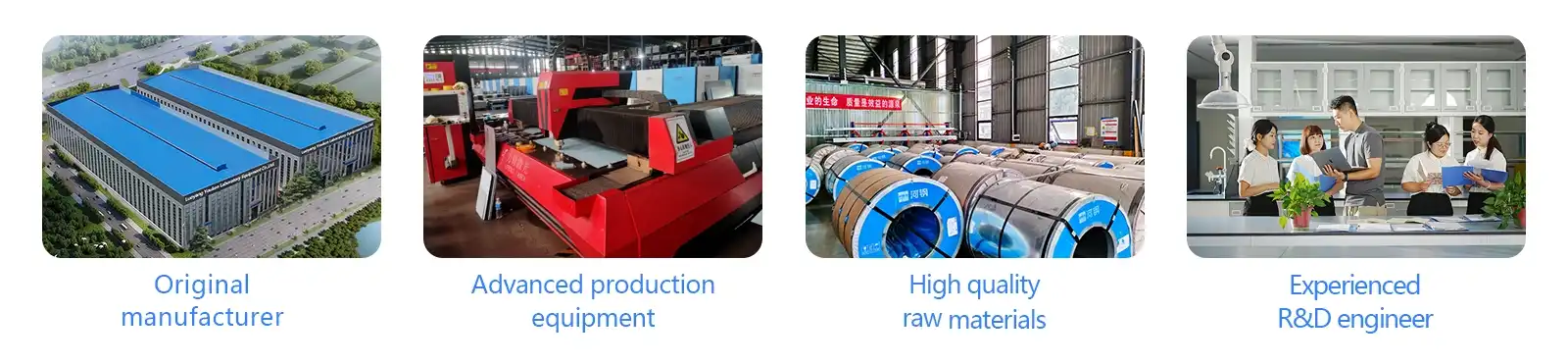
Capacity to manufacture and project knowledge are ways to tell the difference between dependable and unreliable sources. Large-scale institutional projects can be completed without sacrificing quality or being late if the facilities have more than 30,000 square meters of production space and dedicated engineering teams. With more than 100 skilled engineers on staff, the company has the technical depth to provide unique solutions and solve problems during complicated installations.
Maintaining and Maximizing the Lifespan of Your Ceramic Lab Bench
Daily Cleaning Protocols That Preserve Surface Integrity
The vitrified, non-porous surface of a ceramic lab bench makes upkeep a lot easier than with other materials. Normal lab soaps get rid of most contaminants well without any extra steps. Use pH-neutral cleaners and soft cloths or pads that don't scratch for regular cleaning. The scratch resistance means that regular cleaning won't damage the surface, but not using metal scrapers will keep it from wearing out faster than it needs to.
Chemical spills need to be cleaned up right away. Most substances don't affect the ceramic lab bench surface itself, but letting concentrated chemicals evaporate can leave behind dust that builds up over time. Clean up messes right away with the right absorbent materials, then clean with the right neutralizing agents, and finally rinse.
Inspection and Preventive Maintenance Schedules
Visual checks every three months find problems before they get worse. Check the fixing points and cabinet links to make sure the hardware stays in place and is tight. Make sure the drawers in the cabinet work well and that there are no signs of rust in the storage areas. Quality ceramic lab benches have a smooth surface that doesn't have any cracks where dirt and grime could hide. This makes checking easy.
Long-term dependability is helped by the fact that steel support structures handled with the right anti-corrosion methods don't catch fire, get wet, or grow mildew. Using acid cleaning, phosphating, and electrostatic spraying to make many protective layers that can stand up to the rough conditions found in busy labs is common. These steps make sure that the holding framework lasts as long as the table does.
Addressing Common Issues Proactively
Ceramic lab bench surfaces are usually stain-proof because they don't have pores, but some organic dyes can leave temporary marks if they aren't cleaned right away. Mild alkaline cleaners or hydrogen peroxide treatments can get rid of most spots. High-quality ceramic doesn't turn yellow over time like many man-made materials do because it is stable under UV light.
Surface planarity can change if the cabinets that hold it up settle differently. During installation, make sure the floors offer enough support and set the leveling feet so that the floor stays flat within ±1 mm over 2000 mm lengths. This level of accuracy keeps stress from building up in places where it could cause problems over many years of use.
Trusted Suppliers and Brands: Ensuring Quality and Reliability
Identifying Manufacturers with Proven Track Records
There are a lot of companies that sell laboratory equipment, but to get consistent quality, you need to work with well-known companies that know how to meet the strict needs of scientific settings. Companies that have been around since at least the early 2000s have seen changes in the market and improved their ways of making things. Their durability shows how reliable the ceramic lab bench is and how stable the business is, which are both important things to think about when tools should last 20 years or more.
Production capability reveals capacity to handle institutional-scale projects. Manufacturers operating facilities exceeding 30,000 square meters with dedicated production lines for different product categories can maintain quality control while meeting delivery timelines. In-house engineering teams numbering 100 or more professionals suggest the technical resources needed for custom solutions, complex installations, and responsive post-sale support.
Verification Methods for Supplier Credibility
Documentation for certification shows that production standards have been met. Get copies of your ISO 9001, ISO 14001, and ISO 45001 certificates, and then check with the organizations that issued them to make sure they are real. The paperwork for CE marking should include scientific files that show it follows all relevant European laws. Compliance with the Scientific Equipment and Furniture Association (SEFA) means that you understand the needs of a laboratory that may not be taken into account by companies that make general furniture.
Customer references from similar businesses can help you figure out how well a seller is doing. Talk to lab managers at drug companies, research universities, or government buildings that have installed systems in the last two to five years. Ask detailed questions about how quickly the product will be delivered, how well it will be installed, how well it works, and how quickly problems are fixed. Patterns across multiple references reveal more than individual testimonials.
Advantages of Working with Full-Service Laboratory Furniture Providers
One-stop providers that offer full options for lab furniture make the buying process a lot easier. Dealing with a single maker for lab benches, Fume Hoods, storage boxes, and accessories is easier to communicate with, saves time on shipping, and makes sure that the style is consistent. Full product lines show that a company is good at making things and knows a lot about the business.
It's especially helpful to be able to customize things for retrofit jobs or specialized study spaces. Suppliers that offer OEM and ODM services can change standard goods to fit specific needs without charging more than usual for fully custom production. Modular design methods find a balance between the benefits of standardization and the benefits of freedom. This lets you set up things in ways that improve workflow while keeping costs low. Being able to choose unique colors, sizes, and the ability to add accessories makes sure that lab furniture supports operating needs instead of getting in the way.

Conclusion
To find the best lab table, you have to weigh your short-term budget needs against your long-term performance needs. In difficult settings where chemical exposure, thermal stress, and cleanliness standards are crucial, ceramic lab benches offer exceptional value. There is no better choice for pharmaceutical, biotech, chemical, and research labs than these because they last longer, need less upkeep, and meet international safety standards. By working with well-known companies that offer a wide range of products, the ability to customize them, and a track record of successful projects, buying teams can buy lab furniture that will last for decades and keep operations safe and efficient.
FAQ
How does ceramic resist chemicals better than other materials?
During high-temperature firing, ceramic bench tops become fully vitrified. This makes a thick, non-porous structure that doesn't let chemicals get through on a tiny level. This is very different from epoxy resin or phenolic materials, which are made up of many molecules and can break down slowly over time when exposed to strong acids or solvents. Technical-grade ceramics are chemically neutral, which means that they don't respond much with lab chemicals. This keeps the surface intact and keeps samples from getting contaminated.
Can ceramic benches withstand the thermal demands of active laboratories?
Direct flame contact and heat shocks up to 600°C don't damage, crack, or change the structure of ceramic tables. This feature goes over the temperature limits of epoxy glue by more than 300°C, so you don't have to worry about putting hot glasses or tools directly on work areas. Ceramics with a Class A1 fire resistance grade can't catch on fire at all. This is very important for safety in labs where heating equipment is used or flammable substances are handled.
What is the expected service life under heavy laboratory use?
Quality ceramic lab benches typically last 20 years or more in places with a lot of activity. Because it is scratch-resistant, chemically neutral, and stable under UV light, it doesn't break down in the ways that other materials do. Epoxy surfaces may show wear patterns or need to be refinished every 10 to 12 years, but ceramic surfaces keep their original performance traits over a longer period of time, giving you a better total cost of ownership even though they cost more at first.
Partner with Uken for Premium Ceramic Lab Bench Solutions
Luoyang Uken Laboratory Equipment Co., Ltd. makes high-performance lab furniture that meets the needs of pharmaceutical, biotech, research, and educational centers all over the United States. Our Ceramic Lab Bench sets have technical-grade ceramic worktops that are 12.7 mm thick and are made entirely of 1.00 mm cold-rolled steel plates. This gives them great chemical protection, thermal stability, and structural sturdiness. We offer full customization, modular design freedom, and delivery within 20 to 40 days thanks to our 30,000-square-meter production sites and 100 skilled engineers. Our certificates, such as CE, ISO 9001, ISO 14001, and ISO 45001, show that we care about safety and quality standards. Get in touch with our team at ceo@ukenlab.com to talk about your lab equipment needs with a ceramic lab bench maker with a lot of experience who knows how to deal with the unique challenges of scientific environments.
References
1. Scientific Equipment and Furniture Association. (2021). SEFA 8 Laboratory Furniture Standard: Recommended Practices for Laboratory Furniture. Hilton Head, SC: SEFA.
2. American National Standards Institute. (2019). ANSI/BIFMA X5.9-2019: Storage Units Standard. Washington, DC: Business and Institutional Furniture Manufacturers Association.
3. National Research Council. (2011). Prudent Practices in the Laboratory: Handling and Management of Chemical Hazards. Washington, DC: National Academies Press.
4. International Organization for Standardization. (2018). ISO 10545: Ceramic Tiles Test Methods. Geneva: ISO Central Secretariat.
5. DiBerardinis, L. J., Baum, J. S., First, M. W., Gatwood, G. T., & Seth, A. K. (2013). Guidelines for Laboratory Design: Health, Safety, and Environmental Considerations (4th ed.). Hoboken, NJ: John Wiley & Sons.
6. European Committee for Standardization. (2016). EN 13150: Laboratory Furniture - Safety Requirements and Test Methods. Brussels: CEN Management Centre.

CUSTOMER REVIEWS
What Our Customers Say