
A Practical Guide to Choosing Science Lab Tables
Picking the right lab desk is more than just a matter of buying something; it's also about making a place to work where safety and accuracy meet. When lab managers and procurement workers are setting up research, biotechnology, or pharmaceutical facilities, they have to make a big decision: which desk material will really last? Ceramic work surfaces, especially the Ceramic Lab Bench, are some of the best choices on the market today because they are very resistant to chemicals, stable at high temperatures, and last a long time. This guide tells you everything you need to know to make a choice that protects your investment and helps your team complete its research goal.
Understanding Ceramic Lab Benches for Science Labs
What Makes Ceramic Work Surfaces Unique
Ceramic Lab Benches are made from technical-grade industrial ceramics that are fired at temperatures above 1200°C. This makes a vitrified, non-porous surface that works better in tough lab conditions than other materials. Epoxy glue or phenolic laminates can separate or etch when exposed to strong chemicals. The manufacturing process turns natural silicates and minerals into a single, hard surface with a Mohs hardness rating of 7-8. This makes them almost impossible to scratch, which is very important in places like schools and factories where equipment is always moving across surfaces.
Core Performance Properties
The technical details show why ceramic surfaces are so highly valued in the market for laboratory furniture. These surfaces don't let pollution move because they absorb less than 0.05% of water, which is required by ISO 10545-3 standards. This is very important in microbiology and trace analysis labs. Their Class A1 fire resistance grade means that they can't catch on fire at all. This makes them safe to use in chemistry rooms with Bunsen burners or other high-temperature equipment. They can handle being heated up to 600°C without cracking or changing color, which makes them perfect for places that make medicines and have to follow strict cleaning rules that require frequent temperature changes. As a result of its high density (about 2400 kg/m³), the structure reduces vibrations, which is important for scientific measuring.
Ceramic Versus Alternative Materials
Comparing ceramic surfaces to stainless steel and epoxy resin ones shows that they are clearly better. Even though stainless steel is strong, it can get scratched and dented when big objects hit it. These flaws in the surface could be hiding germs. Epoxy resin countertops are chemically resistant enough, but they break down in UV light and temperatures above 300°C. Ceramic surfaces keep their shape and look for more than 20 years without yellowing, fading, or needing to be refinished. This means that government research sites and university labs that are handling long-term capital budgets can save money on the total cost of ownership.
How to Select the Right Ceramic Lab Table for Your Laboratory Needs
Assessing Your Laboratory's Operational Requirements
The first step in the decision process is making a map of your facility's unique workflow needs. When pharmaceutical companies do stable tests, they need areas that can be cleaned and disinfected over and over again. Biotechnology companies that work with cell cultures need surfaces that are smooth, don't have pores, and follow Biosafety Level (BSL) rules. SEFA 3 guidelines say that surfaces in chemical labs that work with corrosive chemicals must be able to withstand acids, alkalis, and organic fluids. Surfaces that won't let toxins escape during trace element research are helpful for environmental testing labs. Understanding these operating settings keeps expensive mismatches between what the tools can do and how things are in the lab from happening.
Critical Selection Criteria
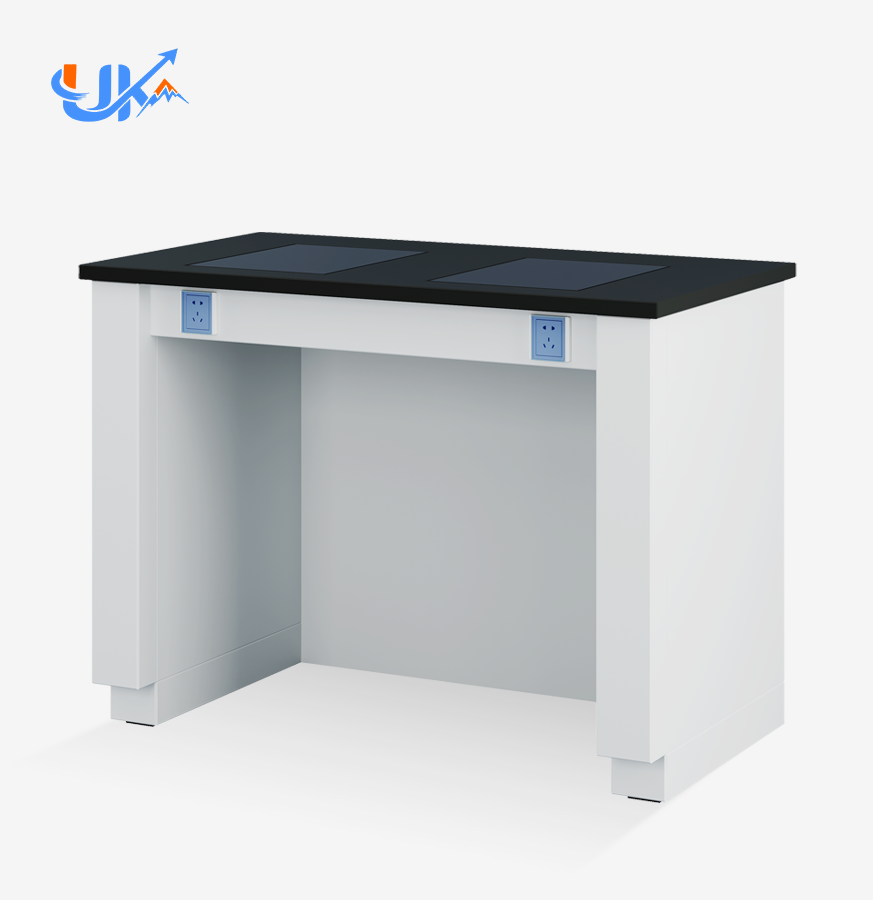
Several technical factors will tell you if a ceramic surface is right for you. The normal thickness of 12.7 mm for ceramic lab bench worktops protects the structure from heavy equipment loads and adds thermal mass that keeps temperatures from changing too quickly. You can choose a matte (which reduces glare when working with a microscope) or a polished (which makes it easier to move samples). Edge techniques, like serrated, bullnose, or marine-edged, change how easy it is to clean and how comfortable it is for the user to work for long periods of time. When placing heavy analytical tools, load-bearing ability is important. Ceramic surfaces that are supported by the right structural frames can handle loads of more than 300 kg/m² without deflection.
Integration with Complete Laboratory Systems
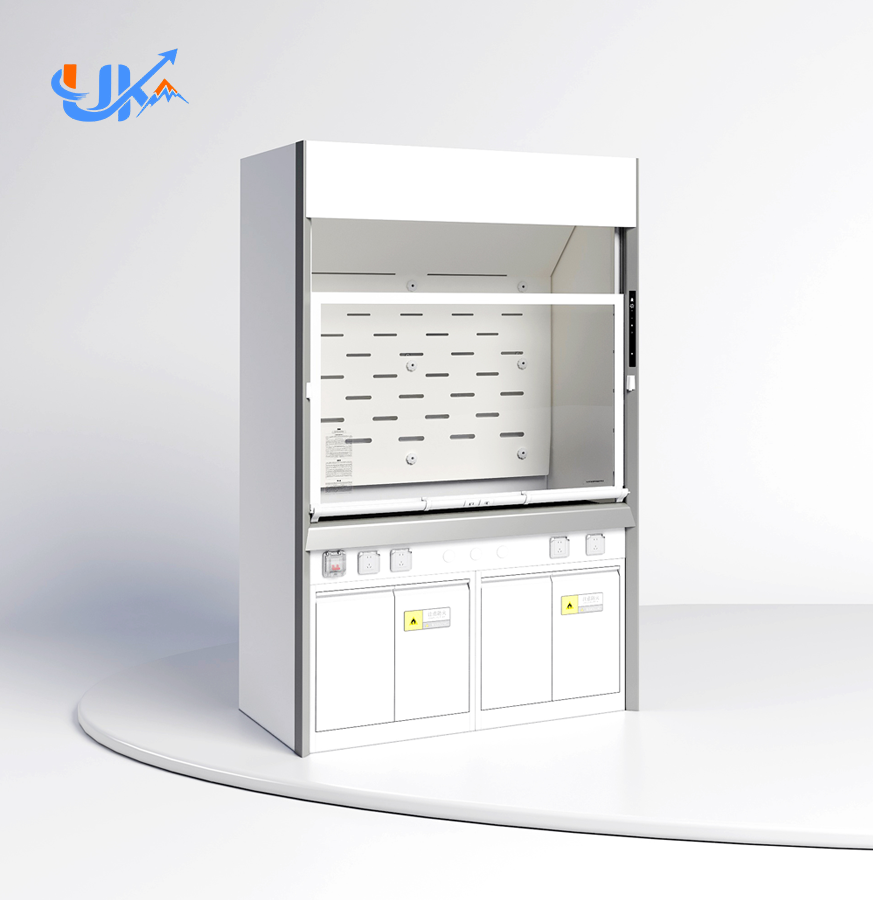
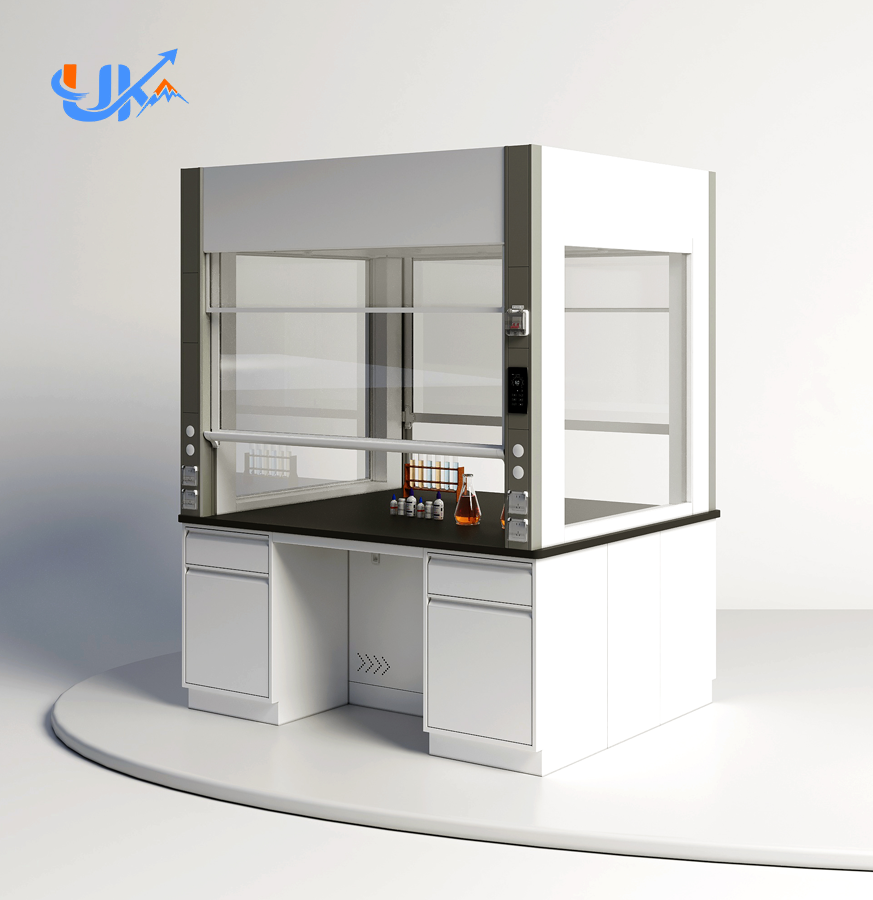
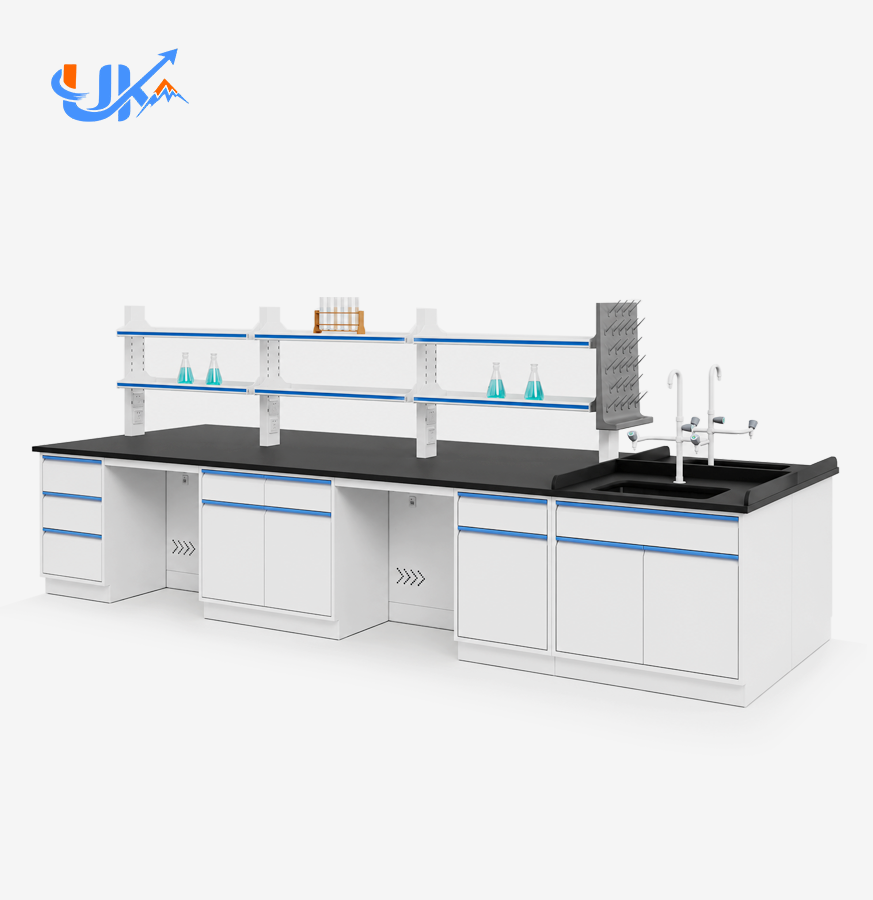
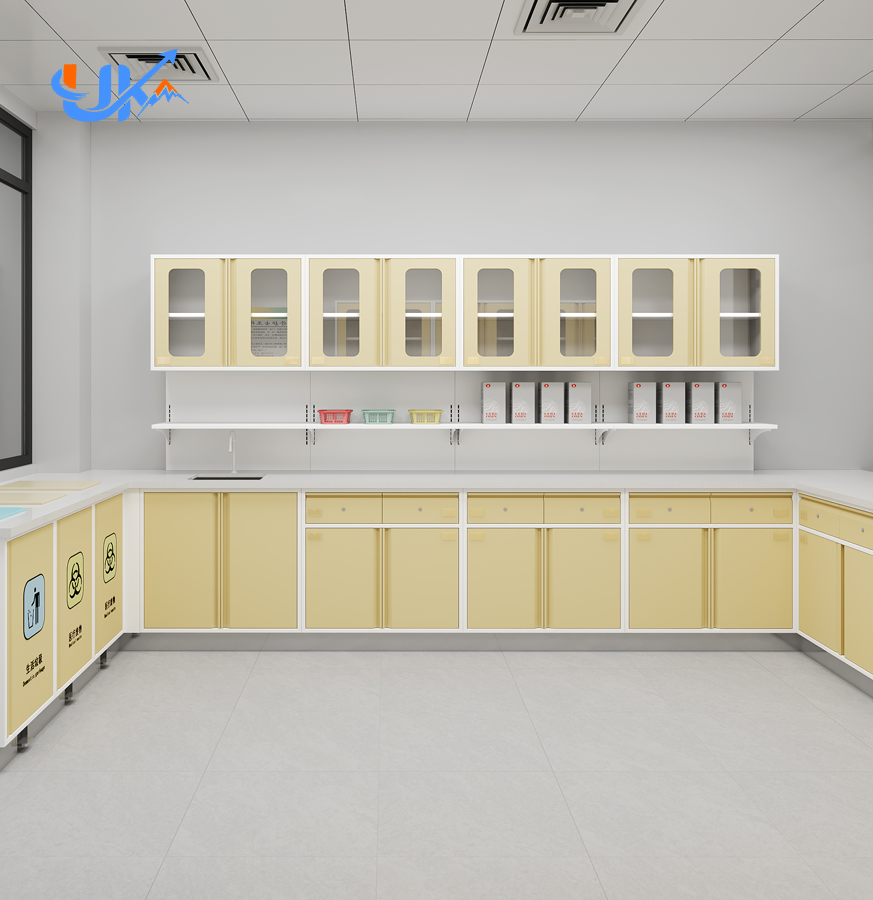
Modern laboratory design focuses on planning the office as a whole rather than just buying items for one area. Ceramic worktops fit perfectly with modular cabinet systems made from 1.00 mm cold-rolled steel plate that has been electrostatically sprayed with epoxy resin to make it resistant to rust. Single cabinets (470x520x830mm), double cabinets (900x520x830mm), and special water tank units (1440x720x830mm) that can hold sinks and eyewash stations are all standard designs. This modular method lets facilities change plans to fit specific work habits while keeping the lab's overall look and performance at the same level.
Procurement Considerations for Ceramic Lab Benches
Supplier Qualification and Certification Verification
Thoroughly checking out suppliers is the first step to a successful purchase. Find companies that have ISO 9001 (quality management), ISO 14001 (environmental management), and ISO 45001 (occupational health and safety) certifications. These are basic signs of tight production controls. The CE mark shows that the product meets European safety standards, which is helpful for international companies that want to make sure that all of their equipment is the same across regions. Companies like Luoyang Youken Laboratory Equipment Co., Ltd., which has 100 skilled engineers working in 30,000-square-meter factories, show that they have the size and skill to handle big institutional tasks. Ask for proof of chemical resistance testing according to SEFA 8-W methods, showing results from 49 solutions exposed for 24 hours, as well as data from thermal shock cycling that shows the structure is stable.
Understanding Lead Times and Customization Options
Standard ceramic lab bench setups usually ship within 20 to 40 days, but custom specs, like specific sizes, built-in utility hookups, or custom color matching, make delivery times longer. Suppliers that offer both OEM and ODM services give lab building workers who have to coordinate a lot of different trades on tight deadlines more options. When compared to fully built units, knocked-down (flat-pack) structures save up to 40% on shipping costs. This is especially helpful for foreign shipments or jobs in places that are hard to get to. Because modular designs allow for phased installations, pharmaceutical companies can outfit production areas one at a time without stopping what they're doing.
Cost Structure and Value Analysis
The price of a ceramic lab bench depends on the quality of the materials, how hard it is to make, and how much customizing you want. Ceramic surfaces for beginners cost around $200 per linear meter, while expensive materials with better HF protection cost around $400 per meter. Volume savings usually start at 50 square meters or more, which is useful for university buying officers who are setting up multiple teaching labs at the same time. When figuring out the total cost of ownership, you should take into account that ceramic doesn't need much upkeep (it doesn't need to be refinished often like epoxy) and it lasts longer between replacements (20+ years vs. 7–10 years for phenolic resin). From a lifecycle point of view, the 30–50% premium over mid-range options is often justified, especially in buildings that put environmental measures first.
Maintenance and Longevity of Ceramic Lab Benches
Daily Care and Cleaning Protocols
The fact that ceramic surfaces don't have pores makes regular cleaning easier. Normal lab soaps get rid of leftovers well, without the need for the special cleaners epoxy surfaces need. Do not use rough cleaning pads on ceramic; they might not scratch it, but they can leave polymer film that makes the surface look cloudy. Wipes made from isopropanol can remove sticky remains from tapes and labels. Mineral layers can be avoided in places with hard water by rinsing with deionized water. The smooth surface doesn't have any grout lines or gaps where dirt and germs can gather, which is a big plus over concrete work surfaces in cleanrooms and GMP production areas.
Addressing Common Wear Issues
Even though ceramic surfaces are very durable, they do need to be cleaned every so often. Because the material is so weak, chips from dropped heavy items usually stay where they are. Damage doesn't spread across the surface like it does with delaminating epoxy. Small chips in areas that aren't very important can stay in use, but chips in areas that get a lot of use should be fixed by a professional using color-matched ceramic epoxy formulas. Some biological colors, like crystal violet, can stain things and may need to be treated with diluted bleach. This is safe for ceramics but could be a problem for stainless steel fixtures. If a system is put in correctly, thermal stress cracks are very rare and mean that there are problems with the structure's support, not just the surface failing.
Maximizing Operational Lifespan
Controlling the environment makes ceramic lab benches last longer. Keeping the humidity in the lab between 40 and 60% stops mist, which doesn't hurt ceramics but can speed up the rusting of metal parts. Set up load distribution rules to stop heavy point loads from going over the manufacturer's limits. Teach your staff the right way to handle chemicals so that they don't spill them on things they shouldn't, which isn't harmful to the ceramic but is a pain to clean up. Keep track of the maintenance tasks you do to make standard records that will be useful for building checks or accreditation reviews. Because of these methods and the natural longevity of ceramic, service lives often exceed the original capital planning limits.
Why Choose Ceramic Lab Benches: Best Practices and Future Trends
Safety and Efficiency Benefits
Ceramic lab bench work areas greatly improve the safety of laboratories. Their label that says they are non-combustible gets rid of the risk of fire spreading in labs that use flammable fluids. The chemical-inert surface stops reactions between reagents that could make dangerous fumes or unexpected reaction products. This is very important in makeup and food testing labs where contaminating products can lead to fines from regulators. By getting rid of places where microbes can hide, smooth, seamless surfaces make it easier to follow GMP cleaning validation methods. Because it doesn't melt, you can put autoclaved materials or hot glasses directly on it without using trivets. This makes work easier in places with a lot of test samples.
Emerging Technologies and Innovations
New developments have made ceramic surfaces more useful. Nanocoating technologies improve chemical resistance that was already very good. This raises the bar for performance in petrochemical analysis labs that work with complex molecules. In medical and hospital labs, silver ions added to antimicrobial ceramic formulas help keep things clean in addition to normal disinfection procedures. When compared to standard mortared installs, modular ceramic panel systems with mechanical interlocking joints make installation easier in the field and save 25–30% on labor costs. These new developments keep ceramic's main benefits while meeting changing lab needs for freedom and specialized performance.
Industry Standards and Sustainability
Environmental concerns are becoming more and more important in buying choices. Concerns have been raised about the amount of energy needed to make ceramics, but the fact that the material lasts for decades and doesn't give off any gases when it's used makes up for these issues. Ceramic surfaces don't have any formaldehyde or volatile organic compounds (VOCs). This is important for research institutes that want to get LEED approval or meet strict indoor air quality standards. End-of-life ceramic doesn't react with chemicals and can be put in clean demolition trash streams. As laws like California's Proposition 65 tighten limits on chemical emissions, ceramic's natural inertness makes sure that regulations are followed without the need for constant testing.
Conclusion
Picking the right ceramic lab bench has a direct effect on how well your facility runs, how safe it is, and how much it costs in the long run. Ceramic work surfaces have superior chemical resistance, temperature stability, and durability, which is why they are so valued. This is especially true in pharmaceutical, biotechnology, and chemistry labs where surface performance is essential. When comparing choices, look at the total cost over the product's lifetime instead of just the purchase price. Also, make sure the seller has the right certifications and technical skills, and make sure the specs fit the practical needs of your facility. Ceramic surfaces last for decades if you choose the right ones and take care of them. This protects both your science work and your investment.
FAQ
What laboratory applications benefit most from ceramic work surfaces?
Ceramic lab benches work really well in biosafety labs, analytical chemistry labs, pharmaceutical production labs, and petrochemical testing labs where controlling chemical exposure, temperature cycles, and contamination is very important. Because they don't have pores, they're perfect for GMP facilities and cleanrooms that need to follow approved cleaning methods.
How does ceramic chemical resistance compare to stainless steel and epoxy alternatives?
Epoxy is resistant to most common chemicals, but it breaks down when exposed to strong oxidizers and temperatures above 300°C for a long time, which are conditions that ceramic is used to.
What warranty terms are standard for ceramic laboratory furniture?
Manufacturers with a good reputation usually offer construction warranties that cover flaws in the materials and the work for 5 to 10 years. Different surface performance promises exist, but a good ceramic should keep its look and chemical resistance for 20 years or more in a regular lab setting.
Can ceramic surfaces be modified or repaired on-site?
Because ceramic is so hard, all holes for sinks, electrical outlets, or equipment must be made in the workshop using CNC diamond-tipped tools before they can be installed. Specialized ceramic epoxy compounds can fix small chips, but major damage usually means the panel needs to be replaced.
Partner with Uken for Premium Laboratory Work Surfaces
Picking a trustworthy ceramic lab bench provider will affect how well your facility works for many years. Luoyang Youken Laboratory Equipment Co., Ltd. has 100 expert engineers and 30,000 square meters of production space. They work on all kinds of projects and can provide CE, ISO 9001, ISO 14001, and ISO 45001-certified ceramic and solid core physical and chemical board work surfaces. Our flexible steel structures are coated with an epoxy resin that protects them from rust. You can also change the sizes to fit your needs, from single 470x520x830mm cabinets to custom water tank units. With shipping times of 20 to 40 days, OEM/ODM options, and factory-direct prices, we get rid of the problems with communication and quality that come up when buying lab furniture from other countries. To talk about your project needs and get full information on ceramic laboratory workstation options, email our team at ceo@ukenlab.com.
References
1. Laboratory Design Manual, National Institute of Standards and Technology, Fourth Edition, 2019.
2. Chemical Resistance of Laboratory Work Surfaces, Scientific Equipment and Furniture Association (SEFA), Standard 8, 2021 Revision.
3. Laboratory Planning and Design Handbook, American Institute of Architects Academy of Architecture for Health, 2018.
4. Materials Selection for Laboratory Furniture: A Lifecycle Cost Analysis, Journal of Chemical Health and Safety, Volume 27, Issue 4, 2020.
5. International Standards for Laboratory Furniture, European Committee for Standardization EN 13150, 2019 Update.
6. Sustainable Laboratory Design: Materials and Methods, International Institute for Sustainable Laboratories, 2021 White Paper Series.

CUSTOMER REVIEWS
What Our Customers Say