



What Makes a High Quality Laboratory Workbench?
A high-quality Lab Workbench laboratory workbench combines structural durability, chemical resistance, and ergonomic design to support demanding scientific operations. Unlike standard furniture, these specialized workstations withstand corrosive chemicals, support heavy analytical equipment, and maintain contamination-free surfaces essential for precise testing. Quality benchmarks include 1.00mm cold-rolled steel construction with double anti-rust treatment, epoxy resin electrostatic powder coating for chemical resistance, and load-bearing capacity exceeding 300 lbs per linear foot. These features directly address the operational challenges faced by pharmaceutical, chemical, and industrial quality control laboratories where equipment failure can halt production and compromise safety compliance.
Understanding Laboratory Workbenches: Functionality and Types
When it comes to quality control in factories, Lab Workbenches are the most important tools. Your building needs furniture that will work reliably in situations that would damage regular office furniture. Chemical exposure, big equipment, and strict rules about cleanliness all require specialized engineering.
Core Functions Across Different Industries
Quality control labs for manufacturing are under special kinds of stress. Surfaces in drug testing labs need to be able to stand up to solvents. Chemical companies need desks that can handle being touched every day by strong acids and bases. Electronics makers need surfaces that get rid of static electricity to protect delicate parts during inspection. Because of these specific needs, choosing the right materials and designing the structure are very important factors to think about when buying.
Structural Categories and Material Choices
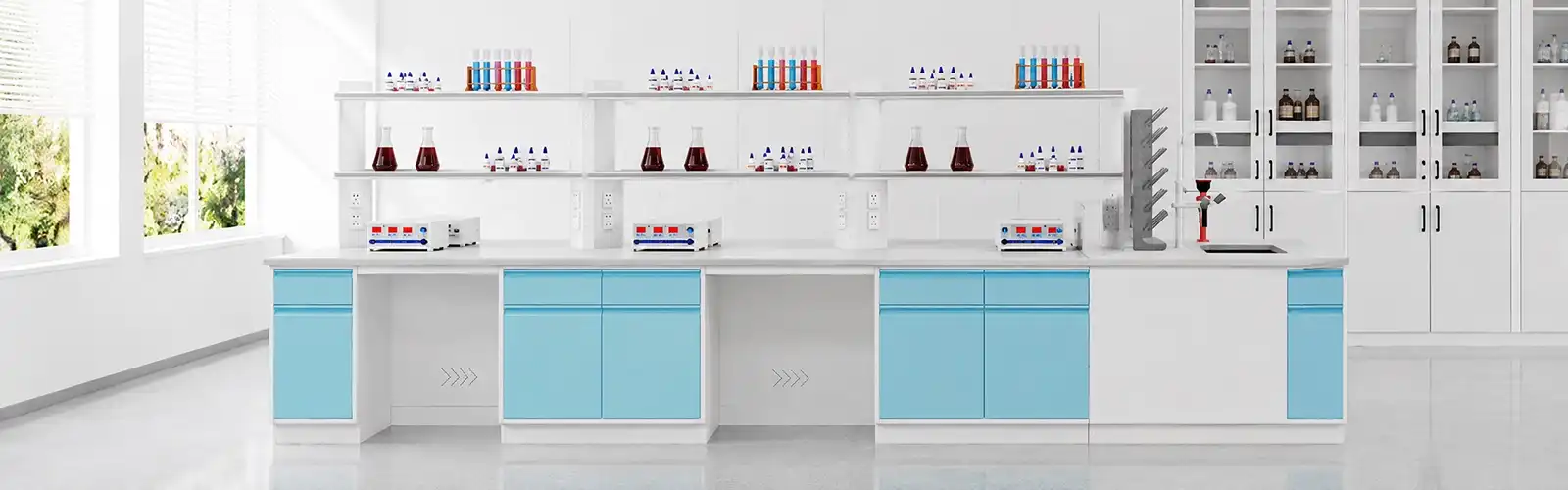
There are two types of Lab Workbench configurations: those with set heights and those with movable platforms. Heavy machines like mass spectrometers and chromatography systems work better in fixed-height stations with frames made of strengthened steel. The design of 1.00mm cold-rolled steel plates makes them very strong without being too heavy. When testing needs change, modular designs let you add on to or change the layout of your lab. The 470x520x830mm single cabinet units are good for small rooms, while the 900x520x830mm double cabinet units offer more space for testing settings with a lot of samples.
Chemical protection and longevity depend on the materials used for the worktop. Physical and chemical boards with a solid core can handle being exposed to harsh liquids for a long time. When it comes to hot plates and other heating tools, ceramic choices are better at withstanding heat. The thicker, more durable worktop can handle drops of instruments without breaking or chipping, so it lasts longer than regular laminate surfaces.
Key Criteria That Define High-Quality Lab Workbenches
When making purchases, people should look at performance traits that can be measured and have a direct effect on how reliable the system is. Quality of the materials, protective coatings, and structural engineering are what set professional-grade equipment apart from regular furniture.
Material Selection and Chemical Resistance
When epoxy resin electrostatic powder coating is put on Lab Workbench steel frames, it protects them from chemical attack. This process doesn't break down when it comes in contact with strong acids, bases, and chemical solvents. Manufacturing sites that work with toxic materials can benefit from this protection, which keeps the surface in good shape even after years of heavy use. Concerns about safety in hot or humid places are eased by the coating's ability to fight fire and keep out wetness.
Structural Integrity and Load Capacity
Full steel frame construction gets rid of the structural flaws that come with using wood or composite materials. The welded frame design spreads the weight evenly across the whole structure, stopping stress points from forming in one place that would cause the structure to fail early. This engineering holds up heavy analytical equipment without bending or shaking, which could affect the accuracy of the measurements. For quality control labs that use sensitive spectroscopic analysis, this steadiness is needed to keep the baseline and make sure the results are accurate.
Corrosion Protection Systems
Facilities that work in coastal areas or wet industrial zones need double anti-rust treatment to stay safe. The process is done in several steps: acid cleaning gets rid of mill scale, phosphating makes a conversion coating, and electrostatic spraying adds the last layer of protection. This all-around method stops rust from forming even when small scratches on the surface reveal the metal below. This protective system makes equipment last longer in places that use wash-down cleaning methods or work with processes that make moisture.
How to Select the Ideal Lab Workbench: A Decision-Making Framework
To make a good choice, you need to match the equipment's specs to your working needs and the space limitations of your building. Knowing how design features affect performance helps you avoid making mistakes that cost a lot of money when you buy something.
Assessing Your Facility Requirements
Workstations that can fit certain testing tools are needed in quality control labs that help with production. Before you choose bench dimensions, you should find out how much your chromatography systems, analytical balances, and spectrophotometers weigh and how much space they take up. Equipment that needs to be protected from vibrations may need special fixing holes. Think about how you work—modular layouts cut down on the distance techs have to walk between testing stations, which boosts their production.
When it comes to Lab Workbench budgets, building improvement jobs and new construction are very different. Shipping costs are lower with the knock-down structure option because it comes in smaller packages. This lowers the total cost of the project for installations with more than one station. Fully built units come ready to use right away, which cuts down on installation work and speeds up the time it takes for labs to get up and running. The products and building methods used in both designs are the same, so you can choose based on your needs without sacrificing quality.
Configuration Options and Customization
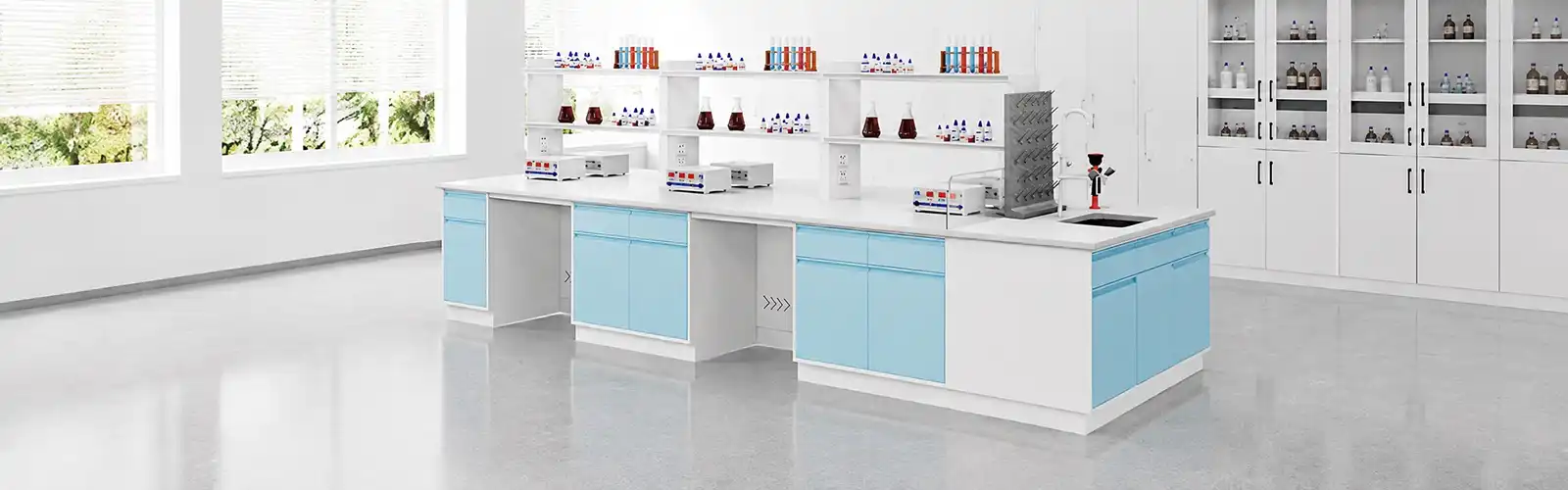
Common lab tools can fit in standard cabinet sizes, but for specialized tests, custom sizes may be needed. For wet chemistry work, 1440 x 720 x 830 mm water tank boxes with sinks are built in. Three-drawer cabinets are a neat way to store supplies and small instruments. The ability to change the color of the cabinets lets them match with building branding or departmental identification systems. High-quality hydraulic hinges make sure that the drawers open and close smoothly thousands of times, and 400mm silent three-section slide rails let you open the drawers all the way to the back without making noise in shared lab spaces.
Evaluating Supplier Capabilities
The knowledge and production capabilities of the manufacturer have a direct effect on how consistent the product is and how reliable the delivery is. Luoyang Youken Laboratory Equipment Co., Ltd. has a factory that is 50,000 square meters big and has 100 skilled engineers whose job it is to create lab furniture. For big institutional orders, this scale makes it possible to keep an eye on quality and be sure that deliveries happen on time. Certifications like ISO, CE, SEFA, and SGS show that a product meets international quality standards. This lowers the risk of buying for places that have to go through regulatory audits.
Lab Workbench Setup, Maintenance, and Accessories for Optimal Performance
Installing and taking care of your tools correctly will get the most out of your purchase. Figuring out the correct total cost of ownership is easier if you know how much upkeep the product will need before you buy it.
Installation Considerations
The modular form makes fitting easier while keeping the structure strong. Basic tools are needed for the assembly process, and it can be done by site maintenance staff, so it's not necessary to hire professional contractors. When you put Lab Workbenches away from direct sunlight, they don't expand and change the way your equipment is calibrated. Leaving enough space between stations makes them easier to clean and better for usability. Leveling changes even out floors that aren't level, so hanging equipment is stable.
Cleaning and Surface Maintenance
The design of the seamless surface keeps dirt and grime from building up in the seams and joints. Cleaning regularly with lab-grade detergents keeps things clean without hurting protective coatings. The chemically resistant surface can handle being cleaned over and over again, unlike painting finishes that break down when disinfected harshly. Features that contain spills keep liquids from getting into structures below. Cabinet hinges and drawer slides should be checked for wear on a regular basis so that they don't stop working and cause problems.
Enhancing Functionality with Accessories
Integrating storage solutions makes work more efficient and clears up work surfaces. Overhead shelves keep goods that are used often close at hand without taking up important bench room. The pegboard panels let you organize your tools in a way that is flexible and can be changed as needed. Electrical outlets and data connections that are mounted directly on workstations get rid of the need to run cables across the floor, which makes moving equipment easier and less dangerous. Task lighting placed under upper cabinets makes it easier to see for close inspection work without shining light on instrument displays.
Innovations and Future Trends in Laboratory Workbench Design
More and more, laboratories in manufacturing facilities are using technologies that make them more efficient and help them manage data better. Knowing about new trends can help you decide if the extra cost of advanced features is worth it.
Modular Flexibility and Adaptability
The current way of thinking about design puts more value on reconfigurability than on permanent installations. Workstations can be moved around as production lines change or testing methods change thanks to standardized link systems. This gives you the freedom to move your lab when the building needs to be renovated or expanded, protecting your expensive equipment. Upgrading materials is possible without replacing whole bench systems when worktop panels can be switched out. This extends the useful life of the system by making small improvements over time.
Sustainable Manufacturing Practices
Environmental responsibility is becoming more and more important in purchasing decisions. Volatile organic compound fumes that come from liquid paint systems are taken care of by powder coating. Steel building can be recycled completely when it's no longer needed, which means less trash ends up in landfills than with mixed materials. The carbon footprint of making lab furniture is lower when factories use renewable energy sources and are energy efficient. This helps companies with their sustainability efforts.
Digital Integration Capabilities
Embedded sensors in more advanced workstations keep an eye on environmental conditions that could affect sensitive testing procedures. Adding temperature and humidity sensors to bench structures makes it easier to keep track of data and meet regulatory requirements. Individual circuit monitoring in power management systems finds electrical problems before they damage equipment. Even though these features aren't typical in industrial quality control settings, facilities that are working on Industry 4.0 projects may find connected lab equipment useful.
Conclusion
When choosing a good Lab Workbench, you need to weigh the current useful needs against the long-term costs of use. When you put together strong 1.00mm cold-rolled steel construction, full corrosion protection, and chemically resistant surface processes, you get the longevity that factories need. Different testing needs can be met by modular design choices while keeping costs low. Manufacturers that have been around for a while, have shown they can make things, and have international certifications are reliable and will protect your procurement investment. Knowing the connection between the specs of a material and how well it works in real life helps you make smart choices that will support quality control for years of tough use.
FAQ
What materials provide the best chemical resistance for industrial laboratory workbenches?
Putting an electrostatic powder covering of epoxy glue on cold-rolled steel makes it very resistant to chemicals and strong. This material system can handle being exposed to strong acids, bases, and organic solvents for a long time, which is common in quality control in manufacturing. Solid-core physical and chemical board worktops perform better than standard laminate surfaces and stay strong even after years of chemical contact.
How does modular design benefit manufacturing facility laboratories?
With modular configurations, you can gradually increase testing space as production volumes rise. Standardized cabinet sizes make planning layouts easier and make it possible to move workstations around during building renovations. The knock-down structure choice lowers shipping costs for bulk purchases while keeping the same quality as fully built models. This gives you budget freedom without sacrificing performance.
What load capacity should quality control workbenches support?
For industrial testing tools, Lab Workbenches must be able to hold at least 300 pounds per linear foot. With its full steel frame and reinforced worktops, this bench can hold mass spectrometers, chromatography systems, and other heavy analytical instruments without bowing. This structural integrity stops vibrations from getting through, which could affect the accuracy of measurements during sensitive testing.
Partner with Uken for Industrial-Grade Laboratory Solutions
Uken sells lab furniture that was designed to work in quality control settings for industry. Our 50,000-square-meter production facility, which is staffed by 100 specialized engineers, makes sure that the quality of every Lab Workbench we make is the same. With its 1.00mm cold-rolled steel structure, double anti-rust treatment, and epoxy resin coating, this product will last as long as your building needs it to. Our modular designs are flexible enough to fit your needs, whether you need a single cabinet unit for a small testing area or a full system with many stations. Contact Our Team at ceo@ukenlab.com to talk about your facility needs with experienced providers of Lab Workbenches who know how industrial testing settings work and can help you improve your quality control.

References
1. Laboratory Equipment Design Standards Committee. SEFA 8: Laboratory Furniture and Casework Specifications. Scientific Equipment and Furniture Association, 2020.
2. Chen, H., & Martinez, R. Industrial Laboratory Infrastructure: Design Principles for Manufacturing Quality Control. Journal of Industrial Engineering Practice, vol. 45, no. 3, 2021, pp. 178-195.
3. National Safety Council. Chemical Resistance Guide for Laboratory Furniture Materials. NSC Press, 2019.
4. Thompson, K. Corrosion Protection Systems in High-Humidity Industrial Environments. Materials Science and Engineering Quarterly, vol. 28, no. 2, 2022, pp. 89-104.
5. International Organization for Standardization. ISO 14644: Cleanrooms and Associated Controlled Environments—Part 4: Design, Construction, and Start-up. ISO Standards Publications, 2021.
6. Williams, J., & Patel, S. Ergonomic Design Considerations for Modern Laboratory Workstations. Occupational Health and Safety Review, vol. 37, no. 4, 2023, pp. 212-228.

CUSTOMER REVIEWS
What Our Customers Say