



How to clean science lab tables?
To clean lab work surfaces properly, you need to know about both the contaminants and the things you're trying to protect. To clean your lab table properly, you must first figure out what kind of surface it has—epoxy resin, phenolic resin, or stainless steel—and then use the right cleaning products for that type of surface. As part of daily maintenance, you should clean up any obvious dirt or debris, wipe down surfaces with pH-neutral cleaners, and clean up any spills right away to avoid chemical etching or staining. Deep cleaning your lab furniture once in a while gets rid of tough residues and keeps it in good shape, making sure it meets safety standards and adding years to the useful lives of these important items.
Understanding the Challenges of Cleaning Science Lab Tables
The stresses that lab tables experience are never experienced by regular office furniture. Maintenance is hard and needs special tools and information because of things like chemical spills, biological contaminants, changes in temperature, and mechanical wear and tear.
The Complex Nature of Laboratory Contaminants
The hardest part of labs is cleaning up after chemicals are used. Chemicals that are volatile, acids, bases, and organic solvents don't just wash off. If you don't take care of surfaces properly, they can stick to them and change their color or structure. It's not always clear how biological materials contaminate things, which could make pharmaceutical and biotech sites less clean. Powdered chemicals give off particles that settle into tiny bumps on the surface. It gets harder to get rid of these over time.
Study centers are still having trouble with cross-contamination between studies. It can be harder to get accurate results when there are compounds left over from previous work. This is especially true for trace-level research. So, when procurement managers buy lab equipment and tools for maintenance, they should think about a set of tried-and-true cleaning instructions.
Material-Specific Vulnerabilities
When it comes to cleaning, different types of worksurface materials handle the job in different ways. Most chemicals can't hurt phenolic resin, but strong oxidizers or some solvents can change its colour after being around them for a long time. Heat doesn't hurt epoxy resin surfaces much, but you need to be careful when cleaning them so the shine doesn't fade. Usually, lab tables made of stainless steel are the best at keeping rust away. But fingerprints and water spots are easy to leave on them, so they need to be cleaned often in places where people will see them.
There are some extra things to think about since a lot of modern lab furniture is made up of units. Bugs could get in through seams, joints, and other connection places. Cold-rolled steel tables with an electrostatic epoxy powder finish, like those that meet ISO9001 standards, have surfaces that are seamlessly welded. This gets rid of these weak spots and makes regular cleaning go more quickly and better.
Compliance and Safety Imperatives
Pharmaceutical labs, GMP production facilities, and clinical testing settings all need to write down their cleaning methods in order to follow the rules. You could be audited, have work delayed, or even have to close the plant if you don't keep the surfaces clean. Not only does bad cleaning break the rules, it also puts people in direct danger. When you clean surfaces with products that aren't meant for them, harmful fumes can come out. If workers aren't properly decontaminated, they could also be exposed to chemical or biological dangers.
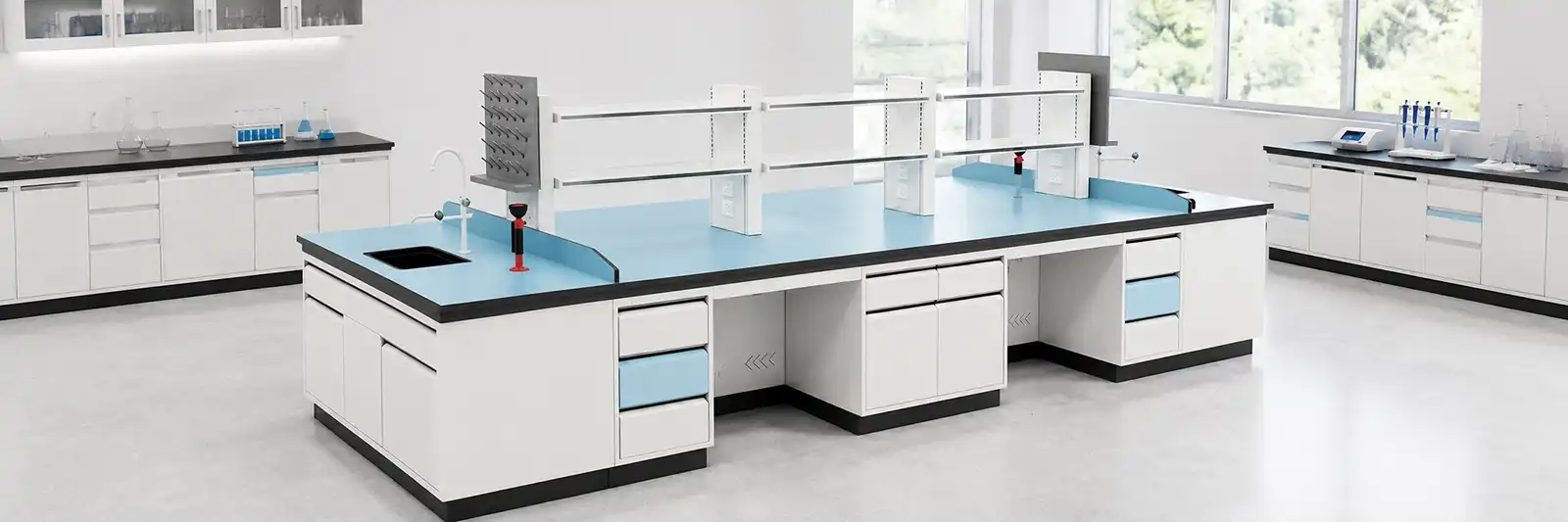
Best Practices for Cleaning Science Lab Tables
Taking care of lab tables in a planned way will protect your investment and make sure that activities are legal and safe. A good cleaning method changes its methods for different materials and kinds of dirt to get the job done quickly and thoroughly.
Preparation and Safety Protocols
Before they start to clean, everyone who works in the lab should put on the right safety gear. Most common chemicals can't damage nitrile gloves, and they protect well enough for everyday cleaning. But if you are around harsh chemicals, you might need to wear special clothing. Sprays can hurt you, but safety glasses protect you, and lab coats keep your skin and clothes clean by preventing cleaning products or residue from getting on them.
When cleaning with explosives, it's very important that there is enough air flow. Using solvents is safer when Fume Hoods are opened or air systems are turned on. This stops dangerous vapors from building up. By reading the safety data sheets for both the contaminants that need to be cleaned up and the cleaning products that will be used, you can make sure that they work together and find out if there are any special ways to handle them.
Material-Appropriate Cleaning Techniques
Epoxy glue can be cleaned with mild alkaline cleaners. Use deionized water to rinse them well after cleaning. Most common lab chemicals don't damage these surfaces, but spills should be cleaned up right away to keep the chemicals from staying on them for a long time. Regularly using certain epoxy conditioners will bring back the shine and make the protected finish stronger. If you don't use rough cleaning pads on these tables, you can protect their smooth, non-porous surface. This makes them useful in places where dirt is a problem.
To keep phenolic resin tables in good shape, you need to clean them every day with neutral pH cleaners. Over time, solutions that are very acidic or basic can break down the structure of the plastic. This can hurt its look and its ability to fight chemicals. Most of the time, spraying isopropanol on tough spots and wiping them down with a soft cloth works well. You should not, however, scrub too hard. When you know that phenolic surfaces get a little darker with use and time, you can set realistic goals for how they will look in the future.
Stainless steel lab furniture only needs to be cleaned regularly with cleaners made for stainless steel that get rid of water spots and leave a protective film. When you wipe, going with the grain stops tiny scratches that can hold germs. Cleaners with chlorine should never be used on stainless steel because they can make even the best stainless steel pit and rust.
Establishing Effective Cleaning Schedules
To keep surfaces in good shape over time and meet immediate needs, split cleaning procedures are useful for analytical labs that get a lot of use. Clean new messes and obvious dirt off of each desk every day. It only takes minutes per desk. Every week, you should use the right cleaning products to wipe down the whole surface, check the seams and joints, and pay extra attention to places like the undersides of shelves and the fronts of cabinets.
When you deep clean once a month, you get rid of built-up dirt and grime and can see deeply for signs of surface wear. During these scheduled repair times, you can check to see if the way you clean now is still effective or if you need to make changes. By keeping track of cleaning tasks, you can create an audit trail that is needed for controlled environments and teach the company how to best handle certain contamination issues.
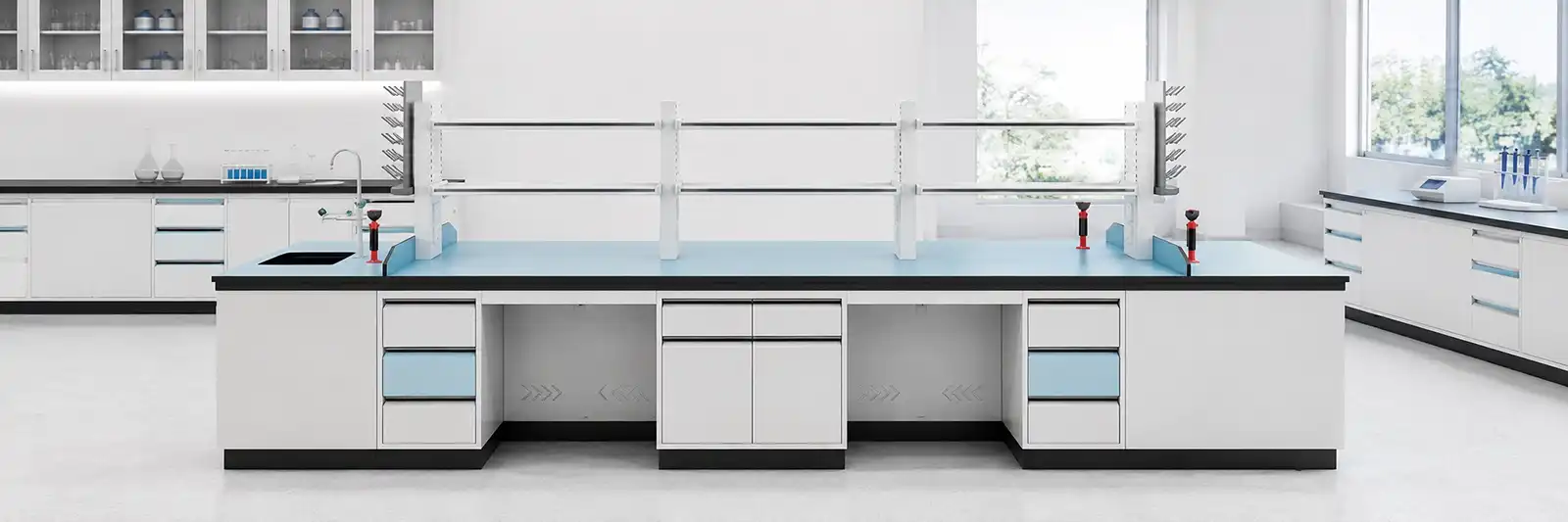
Case Study: Effective Cleaning Solutions for Different Lab Table Types
Applications in the real world show how proper cleaning methods keep lab tables working well in a variety of settings. These tried-and-true methods give procurement professionals peace of mind when they list maintenance needs.
Phenolic Resin Performance in Educational Settings
A big university's chemistry department set up organized ways to clean phenolic resin benches that are used in teaching rooms for undergrads. As students did normal organic synthesis experiments, they made a wide range of spills, from acetone to concentrated sulfuric acid. The facilities team made it a habit to clean up spills right away with absorbent materials, neutralise the situation if needed, and then clean up with pH-neutral detergent solutions.
Even though hundreds of students used the phenolic surfaces a lot, they didn't break down much after three school years. The stains stayed on the surface and didn't affect the worksurfaces' ability to fight chemicals or their structural stability. This result proved that phenolic resin was the right choice for cost-effective educational uses where regular upkeep could be made a rule.
Stainless Steel Success in Pharmaceutical Manufacturing
A biotechnology company that has to follow GMP rules chose stainless steel lab tables for their quality control lab, where hundreds of samples are processed every day. Because the surroundings had to be kept clean, quaternary ammonium compounds and alcohol wipes had to be used for disinfection processes that happened often. To keep the protective chromium oxide layer in place, the maintenance staff started cleaning up spills right away, sanitising the surface twice a day, and passivating it once a week with citric acid mixtures.
Over the course of two years, the welded parts were checked every three months and found to have no rust, pitting, or other damage. It was important that the steel furniture was made correctly and seamlessly, because if the welding or surface finishing had been bad, rust could have started even if it had been cleaned well. This case shows how important it is to buy lab furniture that meets the right quality standards instead of just looking at the price at first.
Epoxy Resin Durability in Analytical Chemistry
An environmental testing lab that did trace-level pesticide analysis needed work surfaces that wouldn't let contaminants escape or leave behind residues between batches of samples. They wanted epoxy resin tables with solid-core physicochemical board construction and cleaning methods that used HPLC-grade liquids for final rinses after normal soap cleaning. Every month, blank analyses proved that there was no background contamination from work surfaces.
When you think about how much it would have cost to replace failed quality control samples and do more analyses, the money spent on expensive concrete surfaces and cleaning agents that worked with them was well worth it. In tough analytical settings, buying choices that take into account total lifetime costs instead of just acquisition price often lead to better results.
Advanced Cleaning Solutions and Innovations
Procurement managers who are looking to the future should think about how new tools and better ways of maintaining lab tables can improve efficiency, sustainability, and performance.
Sustainable Cleaning Product Development
As labs try to leave less of an impact on the environment without sacrificing safety or effectiveness, environmental awareness has started to affect how they work. Chemicals used in modern cleaning products use surfactant technology and enzyme-based cleaning mechanisms that work as well as or better than harsh chemicals but are safer. These goods cut down on the production of hazardous waste and improve the air quality in labs, making them better places to work.
Sustainability factors like biodegradability, low volatile organic compound content, and concentrated formulations that decrease packaging waste are being added to procurement requirements more and more. When facilities look at total value instead of unit price alone, suppliers who provide clear documentation of environmental attributes and third-party certifications have an edge over others. The small extra cost of eco-friendly cleaning products usually goes away when you think about the lower costs of waste and higher safety standards in the workplace.
Automation and Efficiency Technologies
Automatic cleaning systems are being used in larger labs to keep worksurfaces clean during high-volume maintenance. Robotic wiping systems that are programmed to follow standard patterns make sure that the area is always cleaned, and they free up skilled workers to do tasks that need human judgment. Even though the initial investment is still big, facilities that handle thousands of samples every day see good returns in the form of lower labor costs and more consistent cleaning quality.
Digital tools make managing cleaning programs better even without robots. There are now modules in facilities management software that are designed to help with scheduling lab maintenance, keeping records of compliance, and keeping track of consumables. When cleaning materials are integrated with procurement systems, they are automatically reordered based on how often they are used. This keeps important processes from being interrupted by stock-outs. These systems create the audit trails of documentation that regulations require while also making administration easier.
Return on Investment Analysis
Higher-quality cleaning supplies and properly built lab equipment cost more at first, but they pay for themselves in the long run. It is not necessary to replace tables too soon if they are made of thicker cold-rolled steel that has been treated with acid washing, phosphating, and electrostatic spraying, among other things, to stop rusting. Modular design makes it easier to do maintenance on good laboratory furniture and lets you change the way it's set up without having to buy all new furniture.
When comparing bids, procurement managers should figure out the lifecycle costs, which include the expected service life, the cost of maintenance, and how a broken piece of furniture would affect lab operations. When a pharmaceutical quality control lab has to stop tests because of dirty work surfaces, it costs a lot more than what it saved by buying cheaper furniture in the first place. Using the total cost of ownership (TCO) instead of the purchase price in business cases helps make sure that procurement choices are in line with the goals of the company.
Summary and Key Takeaways for Procurement Managers
To clean lab tables effectively, you need to know what you're doing, use the right products, and follow a set of steps that are tailored to your specific needs. Professionals in procurement who know about these connections write standards that support long-term building performance while making the best use of resources.
When choosing lab furniture, you should think about how often it needs to be maintained right from the start. Tables with non-porous surfaces, smooth construction, and corrosion-resistant treatments are easier to clean and last longer. Modular designs that make it easy to take apart for deep cleaning or reconfiguring give operators valuable operating freedom in research settings that are always changing. Quality certifications like ISO9001, CE marking, and meeting laboratory furniture standards like SEFA 8 are signs that the production process is likely to make goods that last and don't need much upkeep.
Setting up supply relationships with makers that offer full technical support makes sure that you can get cleaning suggestions that are specific to the material and help with troubleshooting when strange contamination problems come up. When suppliers offer flexible solutions, well-documented quality systems, and dependable service, they stop being transactional sellers and become strategic partners.
Conclusion
Keeping lab work surfaces clean means finding cleaning methods that are right for the lab table surface material, the type of contamination, and the needs of the operation. When buying something, putting chemical resistance, smooth construction, and compatibility with proven cleaning routines at the top of the list is better for the long term than just looking at how much it costs at first.
Procurement professionals can choose the right furniture and maintenance supplies for labs by knowing the technical needs of various labs, such as pharmaceutical GMP facilities and university teaching labs. New innovations in eco-friendly cleaning products and digital tools for managing maintenance can help improve efficiency while still meeting stricter environmental and legal standards. Long-term practical success depends on forming partnerships with experienced lab furniture providers who offer technical advice and full support.
FAQ
What cleaning agents should I avoid on laboratory work surfaces?
Bleach or chlorine-based cleaners should not be used on stainless steel because they cause corrosion. Abrasive cleaning powders hurt all kinds of surfaces by leaving tiny scratches that hold dirt. If strong acids or bases are used in the wrong way, they can break down phenolic and epoxy resins. Before using a cleaning agent on a large area of a surface, you should always make sure that it is safe for that surface.
How frequently should deep cleaning occur in pharmaceutical labs?
GMP settings usually need to be thoroughly cleaned once a week, and every month, the environment needs to be checked to make sure there is no leftover contamination. Areas with a lot of foot traffic or workstations that are used for more than one product line may need more frequent cleaning. The written cleaning plans should match the quality control system and rules for your building.
Can damaged laboratory table surfaces be repaired?
Epoxy resin lab tables can sometimes have small surface damage fixed by carefully sanding and refinishing them, but only if you know what you're doing. When they get broken, phenolic resin and laminate surfaces usually can't be fixed in a useful way, so the work surface needs to be replaced. This fact shows how important it is to do regular maintenance and clean up spills right away to avoid damage that needs expensive repairs.
What documentation should cleaning procedures include?
Labs that are regulated need written standard operating procedures that list cleaning products, how to use them, when to contact them, and who is responsible for what. Cleaning logs should be kept as proof, with dates, names of people doing the work, and any changes from normal processes written down. Periodic proof through surface sampling or eye inspection shows that the cleaning is working in a scientific way.
Get Laboratory Furniture Built for Easy Maintenance from Uken
Proper cleaning starts with properly designed lab tables that resist contamination and simplify maintenance. Uken manufactures laboratory furniture specifically engineered to meet the demanding requirements of pharmaceutical, biotechnology, research, and educational facilities throughout the United States. Our modular lab table systems feature seamless welded construction from cold-rolled steel treated with multiple anti-corrosion processes, creating surfaces that withstand aggressive cleaning protocols while maintaining structural integrity for decades.
Uken's production center is 30,000 square meters and is certified to ISO9001, ISO14001, and ISO45001 standards. It is run by 100 specialized engineers who know how to make labs that follow the rules. No matter if you need epoxy resin workstations for analytical chemistry or stainless steel tables for GMP cleanrooms, our solutions can be changed to fit your needs. Get in touch with Our Team at ceo@ukenlab.com to talk about your project needs with experienced lab table makers who can give your facility the quality products, fair prices, and expert support it needs.
References
1. Scientific Equipment and Furniture Association. "SEFA 8 Laboratory Furniture Standard: Recommended Practices for Laboratory Furniture." Scientific Equipment and Furniture Association, 2020.
2. American National Standards Institute. "Laboratory Design and Safety Standards: ANSI/AIHA Z9.5 Laboratory Ventilation. "American National Standards Institute, 2019.
3. Centers for Disease Control and Prevention. "Biosafety in Microbiological and Biomedical Laboratories, 6th Edition." U.S. Department of Health and Human Services, 2020.
4. International Organization for Standardization. "ISO 14644: Cleanrooms and Associated Controlled Environments." International Organization for Standardization, 2021.
5. National Institutes of Health. "Design Requirements Manual for Biomedical Laboratories and Animal Research Facilities." Office of Research Facilities Development and Operations, 2018.
6. College of American Pathologists. "Laboratory Accreditation Program: Inspection Checklist for Environmental Safety and Facility Management." College of American Pathologists, 2022.

CUSTOMER REVIEWS
What Our Customers Say