



Why Schools Need Durable Science Lab Benches?
Schools need durable laboratory workstations because they directly impact student safety, institutional budgets, and teaching effectiveness. A robust School Lab Bench withstands chemical exposure, physical impacts, and intensive daily use across multiple class periods. Unlike standard classroom furniture, laboratory workstations face corrosive substances, heat sources, and constant reconfiguration demands. Investing in commercial-grade solutions built from reinforced materials prevents costly replacements, minimizes accident risks, and supports evolving curriculum requirements from elementary chemistry to advanced biology programs.
Understanding the Importance of Durable Science Lab Benches
Keeping up with both short-term and long-term operational costs is always hard for educational institutions. When procurement teams choose cheap lab furniture, they unintentionally start a circle of repairs and replacements that cost a lot of money and drain maintenance funds.
What Defines Durability in Educational Laboratory Settings
When it comes to educational desks, durability means that they can keep their shape and surface performance even after being exposed to acids, alkalis, organic solvents, and mechanical stress. Material science and careful engineering work together to make something truly durable. According to SEFA-3 standards, a phenolic resin countertop can fight more than 49 common chemicals. A full steel frame made from 1.00mm cold-rolled steel plate can support the weight of microscopes and centrifuges. These requirements are not made up on the spot; they come from the needs of students who will be doing experiments five days a week for 15 to 20 years.
Common Problems with Non-Durable Laboratory Furniture
When schools put beginning saves ahead of quality, they are doomed to fail. Particleboard cabinets swell when they come in contact with moisture, which makes places that don't get enough air flow perfect for mold to grow. When students put hot beakers directly on tables, the laminate surfaces crack because of the sudden change in temperature. Weak welding points break when heavy equipment is put on them, which is dangerous. A high school in the Midwest used to spend $18,000 a year fixing wood-composite seats. After moving to steel-framed benches, those costs dropped by 73% over three years. This happens over and over again at places that don't realize how damaging daily lab work can be.
Materials and Construction That Ensure Longevity
Modern workstations for schools use high-tech materials that were made to work well in tough conditions. Electrostatic spraying of epoxy resin makes a 60–80 micron barrier that stops oxidation and chemical penetration. The 40x60mm steel frame square tube design evenly spreads weight, which stops the drooping that happens with hollow-core options. Rounded safety edges keep students safe from sharp corners during busy lab sessions, and cabinets with hydraulic hinges rated for 50,000+ cycles will work smoothly for decades. These technical requirements directly lead to fewer injury claims and uninterrupted class schedules.
Key Features and Safety Benefits of Durable Science Lab Benches
When choosing laboratory furniture, it's important to know how the design features affect safety and how well the equipment works. The right workstation keeps students safe and supports a range of testing methods.
Essential Safety Features That Minimize Classroom Hazards
While Bunsen flames and flammable liquids are present, fire retardancy must always be present for School Lab Bench. Class A safe materials stop the spread of flames, which stops accidents before they get so bad that people have to leave the building. Chemical resistance is more than just protecting the surface. A properly treated tabletop will keep its structure even after being exposed to strong acids for a long time. During the chaos of classroom changes, when students bump into equipment or drop heavy things by mistake, impact resistance is important. Reactive chemicals are kept safe in their own sections by modular designs that include storage cabinets. This lowers the risk of cross-contamination that comes with using improvised storage solutions.
Ergonomic Design for Enhanced Student Productivity
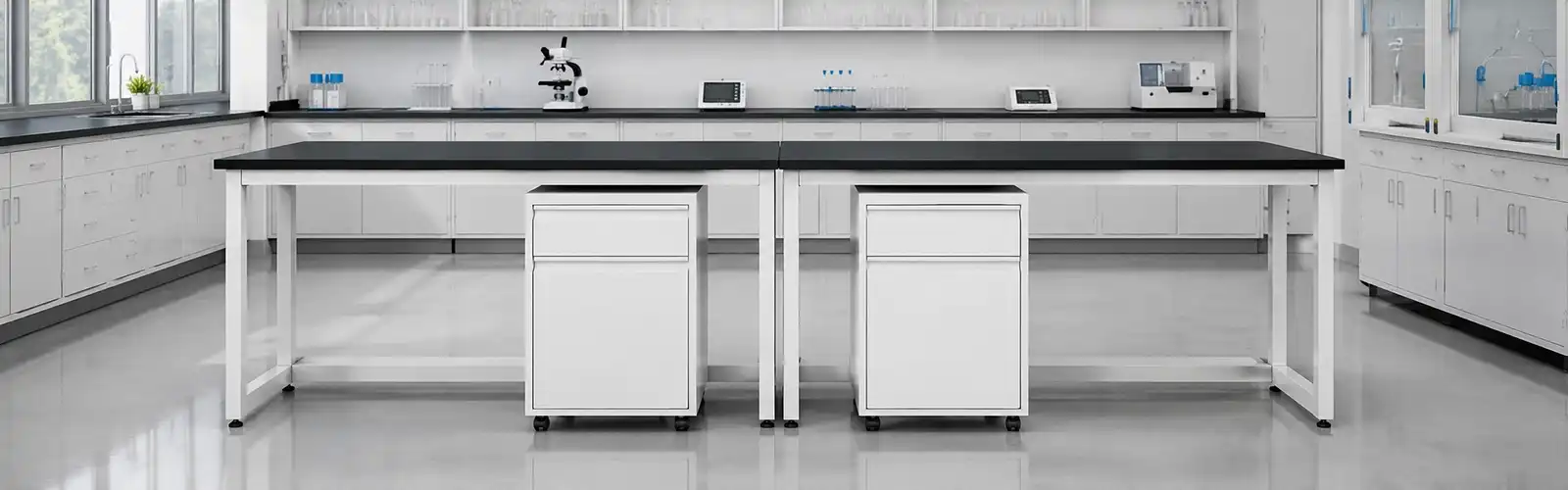
Standardized bench heights work for a wide range of students, but real ergonomics are more than just measurements. The C-frame design gives you enough legroom so you can sit comfortably for long titration studies or microscope sessions. The 470x500x720mm single cabinet size makes storage easy to get to without making students reach too far for their supplies. Silent three-section slide rails in drawer systems stop the jarring noise that makes it hard to focus on precise measurements. These small design details add up over the course of a student's education, making classrooms where they can focus on scientific research instead of physical pain.
Customization Options Addressing Institutional Requirements
Schools help a lot of different groups with their own needs. Schools can match the look of their labs to their institution's brand or make color-coded areas for different science subjects by changing the colors beyond the standard beige. For biology dissections, some programs need integrated water tank modules that are 1440 x 720 x 830 mm, while for robotics projects, physics departments put an emphasis on electrical outlet configurations. Being able to choose the type of countertop material—for example, solid core phenolic boards for general use and ceramic for advanced chemistry labs because they can handle extreme heat—ensures that workspaces meet the level of difficulty of the curriculum without adding features that aren't needed.
Comparing Durable Science Lab Benches: What to Look For When Procuring?
Professionals in procurement have to compare different choices using objective factors that make sure that product specifications match the needs of the organization. Knowing the performance characteristics of materials keeps you from buying expensive equipment that doesn't meet your needs.
Material Comparison: Steel, Wood, and Composite Options
Steel building is the most popular choice for institutions because it can handle many types of failure at once. Wood products soak up water and germs, but sealed steel surfaces can be cleaned quickly between classes, which is very important for cleanliness practices after a pandemic. Composite materials look nice, but they aren't always chemically resistant. For example, when they're exposed to acetone or methanol spills, which happen a lot in organic chemistry classes, they break down. Reinforced steel frames can hold up to 250 kg/m² of static load, which is enough to support analytical balances and vacuum chambers that would be too heavy for composite alternatives. Steel systems are 30–40% more expensive than wood systems at first, but they last 15-20 years instead of 5–7 years for composites, which changes the lifecycle estimates in favor of metal building.
Adjustable Features and Integrated Storage Solutions
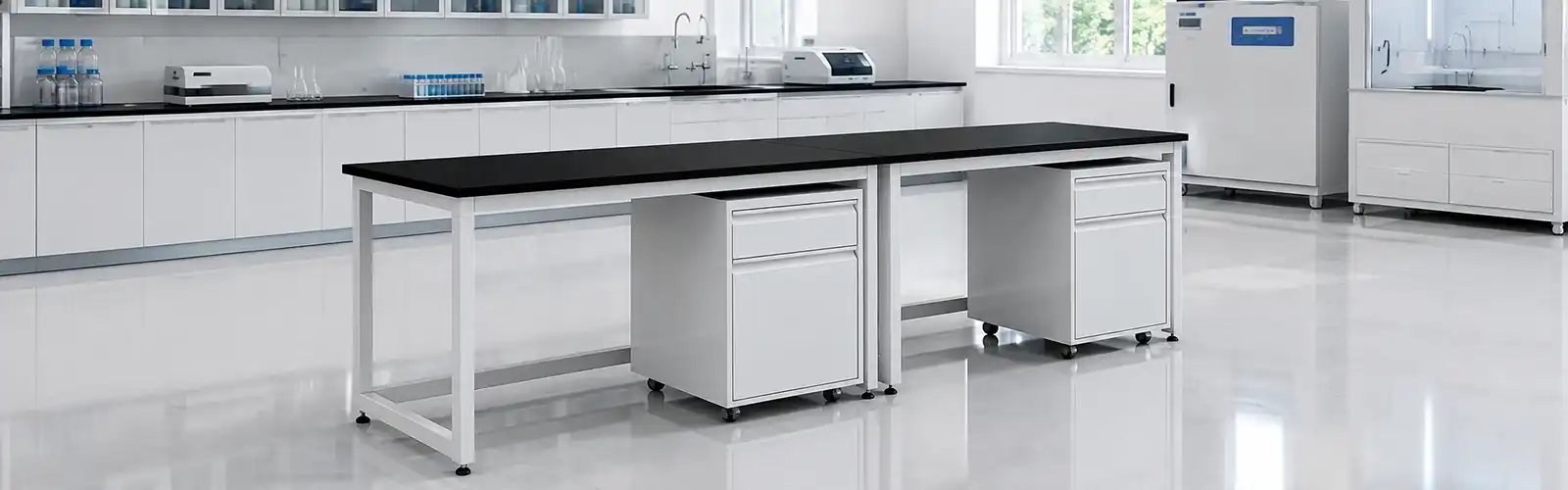
As teaching methods change, School Lab Bench furniture needs to be able to adapt without having to be completely replaced. Modular cabinet systems let schools start with simple layouts, like 470x500x720mm cabinets under worksurfaces, and then add double cabinet modules (900x500x720mm) as budgets allow or as the curriculum grows. With 400mm silent slide rails and three-pull cabinet designs, you can store glasses, food, and personal protective equipment in a way that makes sense without taking up valuable floor room. This adaptability is very helpful when school districts decide to combine science programs or move money to new STEM projects. It lets the building's structure change along with the school's teaching goals.
Evaluating Suppliers and Quality Certifications
Manufacturers with a good reputation show compliance thru third-party tests and clear paperwork. ISO 9001 certification makes sure that quality control methods are the same from one batch of output to the next. The SEFA-8 mechanical testing protocols confirm that the load-bearing claims are true by using destructive testing that mimics years of use. Instead of taking broad claims, procurement teams should ask for third-party chemical resistance studies that show results from 24-hour contact to common lab reagents. When suppliers are willing to give detailed technical drawings, material safety data sheets, and records of weld inspections, it shows that they trust the manufacturing process, which protects institutional investments.
Procurement Strategies for Durable Science Lab Benches in B2B Contexts
Strategic purchasing is more than just comparing specification sheets. It also includes ties with suppliers, ways to pay for things, and long-term support systems that are essential to the success of a project.
Identifying Trusted Manufacturers with Proven Track Records
Established sellers run production sites that are big enough to make sure that parts are always available and that there are enough replacement parts on hand. Luoyang Youken Laboratory Equipment Co., Ltd. has a production base that is 30,000 square meters and is filled by 100 professional engineers. This gives them the technical depth they need to make unique changes and make rapid prototypes. Geographical concentration of expertise is important. Places where the laboratory furniture industry is well-established can offer competitive prices by making the supply chain more efficient while still maintaining quality standards. References from similar institutions are very helpful for finding out how responsive a supplier is to warranty claims and how well they can meet installation deadlines during busy summer renovation times.
Flexible Purchasing Options for Large-Scale Projects
Bulk purchasing deals let you get savings for buying in bulk and protect your prices against changes in the prices of raw materials. Installing furniture is timed to match building goals with phased delivery schedules, which keeps damage from happening during renovations. Some manufacturers offer customization packages that give institutional buyers the design intellectual property. This protects brand differentiation when educational equipment companies private label goods to resell thru established lines of distribution. Negotiating the minimum order number is important for pilot programs that try new lab layouts before they are used across the whole district. This way, buying decisions can be based on facts instead of guesses.
Logistical Considerations and After-Sales Support
Professional installation services for School Lab Bench include more than just putting things together. They also connect utilities, check for safety, and teach staff how to do proper upkeep. Organizing oversized packages, getting around building access issues, and protecting finished surfaces while moving lab furniture thru busy halls are all part of the details of delivering lab equipment. Comprehensive warranties that cover manufacturing flaws, finish wear, and hardware problems give budget security, but buying teams need to look closely at what isn't covered and learn how to file a claim. When problems arise in the middle of the semester, quick technical support is needed. Suppliers that offer direct engineer access instead of tiered call centers can solve problems more quickly, causing fewer disruptions to classes.
Installation and Maintenance Guide for Durable School Lab Benches
Proper implementation determines whether high-quality workstations last as long as they're supposed to or break down early because of mistakes that could have been avoided during setup and ongoing use.
Step-by-Step Installation Best Practices
The first step in installation is to prepare the space by making sure that the floors are level within a certain range of tolerances and that the utility rough-ins match the furniture setups. Assembling the frame according to the manufacturer's torque specs makes sure that the structural connections can handle the full load. When installing a countertop, it's important to pay attention to the expansion gaps that let temperature changes happen without cracking the solid surface. Plumbing lines need to be tested for leaks before they can be covered up. This keeps water damage from happening inside cabinet structures. Local building rules say that GFCI outlets must be placed so that there are no shock dangers near sinks when electrical integration is done. Before taking delivery, final inspection checklists make sure that the safety edges are still rounded, cabinet doors close properly, and drawer slides work smoothly.
Routine Maintenance Extending Bench Lifespan
Cleaning epoxy finishes every day with pH-neutral detergents keeps them in good shape without damaging protective coatings. Lubricating hinges once a month keeps them from binding, which can cause hardware to break early. Inspections every three months find early danger signs like scratches on the surface that show the base materials, loose frame connections, or broken water seals. This lets small problems be fixed before they get worse. Deep maintenance done once a year includes cleaning the inside of the cabinets, adjusting the drawer slides, and checking for corrosion on steel parts that are hidden. These preventative steps require very little work but stop the catastrophic failures that stop teaching and require urgent replacement purchases.
Troubleshooting Common Operational Issues
Surface stains from dye tests can usually be cleaned with light abrasive cleaners, but buying teams should make sure that the way they clean won't void the warranties on the finishes. Misaligned cabinet doors are usually caused by loose fixing screws rather than structural failure and can be fixed easily. Chemical smells that won't go away suggest that there isn't enough air instead of broken furniture, which means that the HVAC system needs to be checked out. Overloading beyond the design specs is a common cause of drawer slide resistance. This can be fixed by moving stored things around to stay within weight limits. By knowing these differences, you can avoid needless service calls and help property management teams build their institutional knowledge.

Conclusion
Durable School Lab Bench workstations are smart investments that can change the results of education by making it safer, more efficient, and more adaptable for different teaching styles. The combination of chemical-resistant surfaces, reinforced steel construction, and thoughtful ergonomic design makes learning spaces where students can explore scientific ideas without putting their health at risk. When institutions make purchasing choices, they look at things like lifecycle costs, quality standards for suppliers, and the ability to customize. This sets them up for decades of reliable service. When educational leaders put longevity along with usefulness first, they make sure that the infrastructure can keep up with changing curriculum needs and protect maintenance budgets from fix costs that are hard to predict and take resources away from core teaching tasks.
FAQ
What materials offer the best longevity for educational workstations?
When combined with phenolic resin or concrete counters, steel frames last longer. The design of the 1.00mm cold-rolled steel plate keeps it from rusting or breaking, and the phenolic surfaces can handle chemical contact according to SEFA-3 testing guidelines. Ceramic choices work best in places with a lot of heat, but they cost more.
How can schools verify compliance with safety standards?
You should ask for proof of Class A fire resistance scores, SEFA-8 load test results, and chemical resistance records from separate labs. Manufacturers who have ISO 9001 certification keep quality systems in place that make sure production standards are the same from one order batch to the next.
Are customization options available for different science disciplines?
By using replaceable parts, modular designs can meet the needs of different fields. Biology departments add units with built-in water tanks, and physics departments say how the electricity outlets should be set up. Customizing the colors helps the school's brand, and choosing the right material for the countertops depends on the level of difficulty of the course, ranging from basic science to advanced organic chemistry.
What factors determine total ownership costs?
The buying price is only 30–40% of the total costs over the life of the item. Long-term prices depend on how often maintenance is done, how easy it is to get new parts, and how long the expected service life is. Epoxy-finished steel desks usually last 15 to 20 years with few fixes, while composite options need to be replaced every 5 to 7 years.
Partner with Uken for Your Laboratory Infrastructure Needs
Educational purchasing managers looking for dependable providers of School Lab Benches will find that Luoyang Youken Laboratory Equipment Co., Ltd. offers complete solutions that are tailored to the needs of institutions. Our 30,000-square-meter production plant has 100 specialized engineers working there. We support OEM and ODM partnerships and have flexible minimum order amounts that can be used for pilot programs and district-wide rollouts. We offer customization options for cabinet colors, countertop materials, and storage layouts, and we provide detailed technical documentation to protect intellectual property rights. Pricing structures for bulk purchases and skilled installation services make it easier to complete a job. Get in touch with Our Team at ceo@ukenlab.com to talk about how our production skills can meet the needs of your school, or go to lyyk.aixdb.cn to see all of our products.
References
1. Scientific Equipment and Furniture Association (SEFA). "Laboratory Furniture Performance Standards: SEFA-3 and SEFA-8 Testing Protocols." Journal of Laboratory Design, 2023.
2. National Science Teaching Association. "Safety Guidelines for Educational Laboratory Environments." NSTA Position Statement, 2022.
3. American School and University Magazine. "Lifecycle Cost Analysis of Educational Facility Infrastructure." Facilities Planning Report, 2023.
4. Laboratory Design Quarterly. "Material Science Advances in Educational Laboratory Workstations." Volume 47, Issue 3, 2024.
5. International Organization for Standardization. "Quality Management Systems for Laboratory Equipment Manufacturing: ISO 9001 Application Guidelines." Technical Report 2023.
6. Educational Facility Planners Association. "Best Practices in Science Laboratory Furniture Procurement for K-12 and Higher Education." Annual Conference Proceedings, 2024.

CUSTOMER REVIEWS
What Our Customers Say