



Recommended Corrosion-Resistant Workbenches for Chemistry Laboratories
Corrosion resistance is the most important thing to look for in workbenches for chemistry labs. A ceramic lab bench is a great option because it is highly resistant to chemicals and lasts a very long time. Engineered surfaces on these machines are fired at very high temperatures to make non-porous, vitrified materials that can't be damaged by concentrated acids, alkalis, and organic solvents. Ceramic worktops stay strong even after decades of heavy use, unlike traditional epoxy or phenolic surfaces that eventually peel off or etch when exposed to harsh chemicals. This is why they are the first choice for pharmaceutical, biotechnology, and chemical research facilities all over the United States.
Understanding Corrosion Resistance in Chemistry Lab Workbenches
What Makes Ceramic Surfaces Superior in Harsh Environments?
It's hard to work in chemistry rooms, and normal furniture materials wear out quickly. It takes over 1200°C of heat to make ceramic worktops. This changes the raw silicates into thick, impermeable surfaces with Mohs hardness grades of 7-8. It's so tough that even when experts grind samples or drag heavy tools across it, it doesn't get scratched. When materials are vitrified, they lose all of their pores. This means that chemicals can't soak in and damage them, hold on to smells, or break down the structure of lower-quality materials.
Chemical and Thermal Performance Parameters
ISO 10545-3 says that technical-grade ceramic surfaces don't absorb more than 0.05% of their weight in water. Nothing can get through because of this. Strong sulphuric acid, hydrochloric acid, or hydrofluoric acid can quickly break down stainless steel and glass-based products. This trait is very useful when working with these acids. Also, the thermal qualities are really great. Ceramic surfaces won't break, discolour, or crack when they come into direct touch with a flame or sudden changes in temperature up to 600°C. This ability to keep its shape at high temperatures is very useful for study centers that use Bunsen burners or do high-temperature synthesis.
Load-Bearing Capacity and Structural Integrity
These days, chemistry labs have more and more high-tech tools for analysis, like mass spectrometers and platforms for automatic synthesis. You get the strength you need when you use full steel frames and ceramic worktops. The ceramic surface's 12.7 mm width meets strict industry standards and protects well against contact. When you add Lab Benches made from 1.00mm cold-rolled steel plates that have been acid washed, phosphated, and electrostatically sprayed with epoxy resin, you get a workstation that can hold heavy instruments without shaking or bending in a way that makes it hard to take accurate measurements.
Ceramic Lab Bench vs. Other Materials: Making the Right Choice
Comparing Performance Across Material Categories
Managers of labs often look at a number of options before making a purchase. Even though stainless steel workbenches are pretty clean and don't rust, compounds that contain chloride can scratch, dent, and eventually form pits in them. Chemicals can't damage epoxy resin surfaces at room temperature, but they break down above 300°C and need to be renewed every so often. Phenolic resin tables are a cheap choice for school labs, but they aren't chemically strong enough to be used in hospitals or factories. That being said, wooden chairs look nice, but they get dirty quickly because they soak up water and chemicals.
Ceramic works better than these other options in a lot of important ways. The vitrified structure doesn't break down when it comes in contact with most lab chemicals. It also doesn't need any special care other than being cleaned regularly and looks good and works well for at least 20 years. Even though it cost more at first, the total cost of ownership is much cheaper because it lasts longer.
Customization Options for Specialized Applications
These days, contractors and design firms that work on labs need solutions that can be used for a variety of projects. These days, modular systems have steel frames and clay tables that can be put together in a number of different ways. The usual sizes for single cabinets are 470x520x830mm, double cabinets are 900x520x830mm, water tank stations are 1440x720x830mm, and three-drawer cabinets are 470x520x830mm. Because it's modular, procurement managers can set it up in a way that makes the best use of the space on the lab floor. This can include island benches, installations that are placed on the wall, or complex, combined workspaces.
It's not just about sizes when you customize. There are color schemes that match the school's name, buildings that come fully assembled or are knocked down depending on how easy they are to put together, and extras like built-in sinks, electrical service panels, or different storage options for ceramic lab benches. OEM and ODM make it possible for research centers and pharmaceutical companies to make their own designs that meet their specific needs while still getting the benefits of ceramic work surfaces.
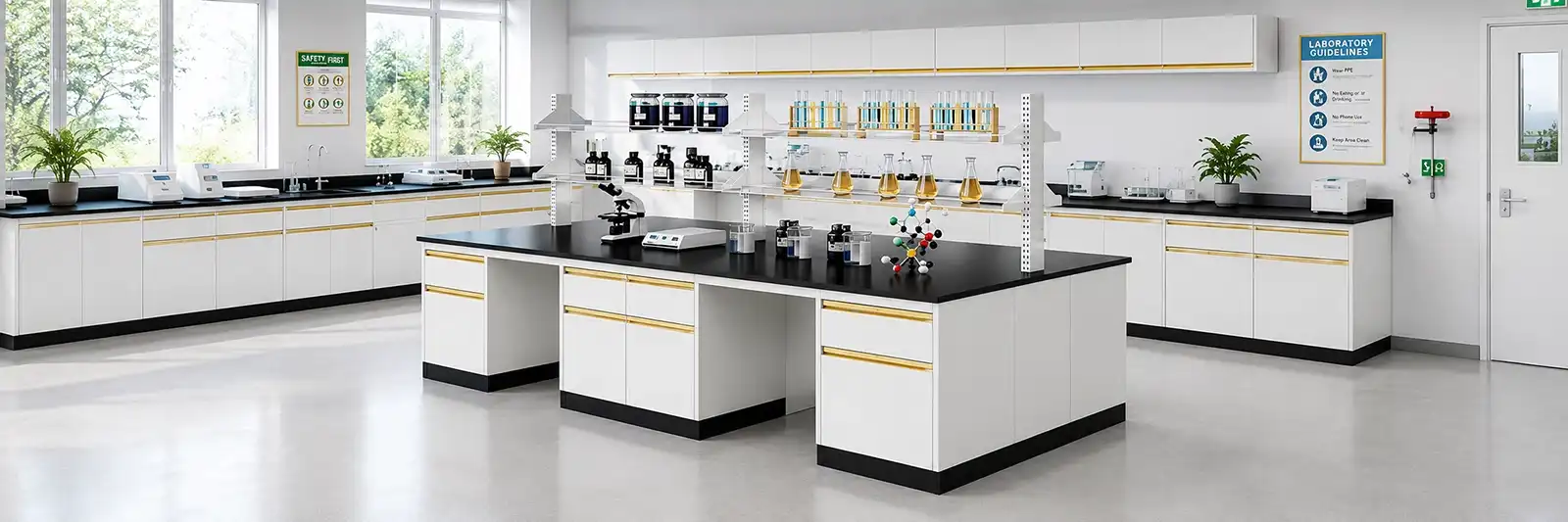
Practical Guide to Using and Maintaining Ceramic Lab Benches
Daily Cleaning and Long-Term Preservation
Ceramic counter tops are great because they are simple to clean. Acids can't get through the surface because it's not porous, so it doesn't stain like some other materials do. For daily cleaning, all you need are regular lab soaps and water. It doesn't need any extra treatments, sealing, or refinishing. It's easy to wipe off tough residues left over from chemical reactions or analysis procedures that don't go too deep. Keeping these places clean is easier, which saves money and follows GMP rules for making sure that places that make drugs and makeup stay clean.
Preventive care rules say that cutting boards should be used to store sharp objects. Standard lab tools won't be able to scratch the top of the board. To avoid thermal shock, don't put glasses that are very cold right on top of surfaces that are already hot from other things nearby. If you follow these easy steps and the material is naturally strong, it should last for decades without any problems.
Installation Procedures and Timeline Considerations
The system will work well and last a long time if it is installed by a professional. The structures are made to be easy to take apart if the lab needs to be rearranged. The modular design makes it easy to put together. When the package is small, it costs a lot less to ship, which is helpful for big projects that need a lot of computers. Most of the time, it takes 20 to 40 days to deliver after an order is confirmed. This gives the people in charge of the projects time to plan their work around the making of other parts.
Teams that are putting down workbenches should check that the floor is level first. This is because ceramic surfaces need sturdy bases to keep them from getting too stressed. Though they're under a lot of stress, units don't bend if they're put in the right place. Surfaces that are smooth and don't have any seams stop particles from building up and make it easier to clean in places that need to be ISO-certified and work with cleanrooms.
Warranty Coverage and Support Infrastructure
Suppliers with a good reputation back up their goods with full warranties because they know the goods will last. Quality certifications like CE, ISO9001, ISO14001, and ISO45001 show that a business cares about creating safe workplaces, making good products, and being good to the earth. Government labs and university purchasing officers need these certificates more than anyone else. They have to make sure that suppliers follow the rules set by their institutions.
After the sale, support includes getting help with problems, getting expert advice, and finding new parts. Because of this, cultures of responsive service are driven by providers who know that the costs of lab downtime are much higher than the costs of tools. People in charge of procurement should not only look at the goods that a provider sells, but also at their customer service and how quickly they can fix problems.
Optimizing Procurement: Buying Ceramic Lab Benches for Your Chemistry Laboratory
Understanding Pricing Factors and Budget Planning
When you want to buy good lab furniture, you need to carefully look at your budget. The price of a ceramic worktop depends on how much the materials cost, how hard it is to make, and how much customisation is needed. The thickness requirement of 12.7 mm is the standard in the industry and strikes a good balance between performance and cost-effectiveness. In most situations, thicker surfaces don't help and just make the cost of materials go up for no reason. Cold-rolled steel plates used in the full steel frame construction make the structure more expensive, but it gives better load-bearing capacity and corrosion resistance than alternatives made of wood or particle board.
Ceramic surfaces that don't need to be refinished or replaced for 20 years are more cost-effective than cheaper options that need to be maintained regularly or replaced early. Property managers should look at the total cost of ownership instead of just the purchase price.
Supplier Selection Criteria and Quality Assurance
Workbenches for chemistry labs are long-term investments in infrastructure that need to be carefully evaluated by suppliers. Manufacturers that have been around for a while and have a track record in the pharmaceutical, science, and research fields can be trusted in a way that new companies can't. Look for suppliers with their own production sites. Bases that are 30,000 square meters and have more than 100 professional engineers working there are a good sign that they can safely handle big projects.
Quality control methods tell the difference between great providers and average ones. Chemical resistance testing according to SEFA 8-W standards, dimensional accuracy testing with laser measurement systems, thermal shock cycling to look for possible micro-cracking, and bending strength testing according to ISO 10545-4 should all be part of strict testing methods. Suppliers who are willing to give test records and access to inspect the facility show transparency, which boosts procurement confidence.
Modern Procurement Channels and Logistics Optimization
These days, more and more business-to-business purchases are made through digital channels, which work in addition to traditional sales relationships. Reliable lab furniture providers keep thorough online catalogs with ceramic lab bench specification sheets, compliance paperwork, and project galleries that show off previous installs. These tools let you do a quick review before getting in touch with sales teams to get personalized quotes.
When planning purchases, delivery logistics should be taken into account. The modular design and small packaging make shipping lighter, but foreign supply lines from where the products are made need to be coordinated. Standard delivery windows of 20 to 40 days mean that you need to order early to fit your building plan. Flexible shipping schedules and consolidation services from suppliers make planning easier for multi-building projects that need to be installed in stages.
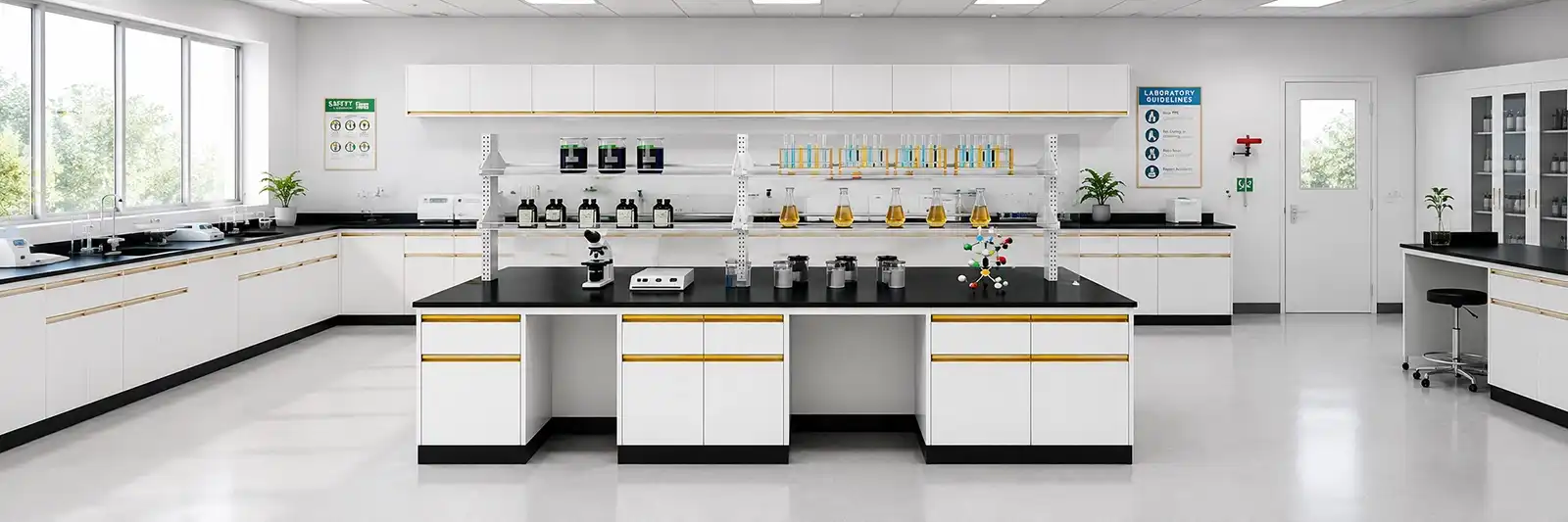
Why Ceramic Lab Benches Are the Ideal Corrosion-Resistant Solution for Chemistry Labs
Long-Term Cost Advantages and Performance Reliability
When pharmaceutical and science businesses figure out how much to spend on infrastructure, the economics of longevity clearly favor ceramic surfaces. Under heavy use, traditional epoxy resin benches need to be resurfaced every 5 to 7 years. Each repair event interrupts lab work and costs money in labor. Wood-based alternatives break down even more quickly, especially in humid places or near sinks and emergency eyewash stations where water can get in. With ceramic floors, you don't have to worry about these ongoing costs, and they will look great and work perfectly for decades to come.
The fireproof, moisture-proof, and mildew-proof features keep out safety risks and pollution risks that could hurt the purity of research. Smooth, seamless surfaces make it easier to clean in GMP production facilities and cleanrooms, where controlling particles is important for following the rules. Because of these useful benefits, operational costs go down and study is more reliable, which justifies the higher original investment.
Real-World Applications Across Laboratory Types
When using harsh chemicals to make compounds, pharmaceutical research laboratories that are working on new drugs rely on ceramic worktops. Chemical inertness keeps samples from getting contaminated, which could throw off analysis results or make safety tests less reliable. When it comes to equipping undergraduate teaching labs where hundreds of students do tests every year, university chemistry departments like how durable the materials are and how little upkeep they need.
For environmental testing facilities that look for contaminants in soil, water, and air samples, ceramic is the best material because it doesn't leach compounds or absorb analytes. The ease of sanitation and resistance to mildew make it useful for food testing labs that need to keep things clean. The thermal stability is useful for checking product mixtures at high temperatures in industrial quality control labs that make cosmetics and chemicals.
Future-Forward Laboratory Infrastructure
As organizations try to be more environmentally responsible, they are thinking about sustainability more and more when they buy things. Ceramic surfaces made from natural rocks are better for the environment than epoxy resins made from fuel or wood from controlled forests. Because they last so long, they don't need to be replaced as often, which means less material use and waste over the lifecycle of the building. During use, it saves energy because thermal mass properties keep the temperature stable, which lowers the need for HVAC.
New technologies are adding smart surface technologies to ceramic tables. For example, sensors are being built into the surfaces to track chemical spills, changes in temperature, and the strength of the structure. These new developments should make next-generation labs safer and more efficient. When purchasing managers order ceramic benches today, they are investing in infrastructure that can keep up with the changes in technology that are expected over the next few decades.
Conclusion
Workbenches in chemistry labs need to be able to handle harsh chemicals, changing temperatures, and mechanical stress while still being safe and clean. When you combine ceramic worktops with full steel modular frames, you get the best corrosion resistance, longevity, and performance stability. With their 12.7 mm vitrified ceramic surfaces and epoxy-coated steel frames, desks are made that can be used in educational institutions, pharmaceutical manufacturing, biotechnology research, and quality control facilities in the industry sector. Even though ceramic solutions cost more at first, they are cheaper in the long run because they don't need to be maintained and last for decades. When it comes to demanding chemistry uses, ceramic lab benches are the best investment for procurement workers who care about quality, compliance, and long-term value.
FAQ
How does ceramic compare to phenolic resin for chemistry applications?
When it comes to chemical protection, ceramic surfaces are much better than phenolic resin. This is especially true when it comes to strong acids and bases. Phenolic resin worktops soak up water over time, which causes them to swell and separate, but ceramic's vitrified structure never does that. Thermal resistance is very different between the two. Ceramic can handle direct flame contact, but phenolic resin breaks down at temperatures above 150°C. Because ceramic doesn't scratch easily, it doesn't get damaged by rough cleaning or drops like phenolic surfaces do. Ceramic is more reliable than phenolic resin when it comes to high-stakes pharmaceutical or research applications.
Can ceramic worktops be repaired if damaged?
Because clay is so hard, it is almost impossible to break. This also means that field fixes can't be done. Technicians can sand and refinish epoxy surfaces, but broken ceramic parts need to be replaced. But the flexible design makes it easy to switch out parts without having to replace whole chairs. In real life, properly installed ceramic surfaces rarely get damaged in a lab setting, so they don't need to be fixed very often over their 20-year or longer service lives.
What lead time should we expect for large orders?
Standard arrival times are between 20 and 40 days, but this depends on how complicated the customization is and how many orders are placed. For big projects that need a lot of workstations, involving suppliers early on in the building planning stages is helpful. Manufacturers can usually speed up production to meet tight deadlines, but there may be extra fees for rush orders. The flexible structure and efficient packing make shipping faster than with custom-built options, which helps keep projects on schedule.
Partner with Uken for Premium Ceramic Lab Bench Solutions
Luoyang Youken Laboratory Equipment Co., Ltd has been making corrosion-resistant workbenches for chemistry labs around the world for 30 years. Ceramic lab bench solutions that meet the high standards of pharmaceutical companies, research institutes and biotechnology businesses all over the United States are delivered by our 30,000 square metre production plant and team of 100 professional engineers. We have many certificates, such as CE, ISO9001, ISO14001, and ISO45001, which mean that every machine meets the highest quality and safety standards around the world. Our modular design philosophy cuts down on shipping costs and gives you the freedom to make changes to fit the needs of any project. Our technical consulting services and turnkey solutions make it easier to buy things, whether you're a lab building contractor looking for a trusted ceramic lab bench provider or a facility manager planning a full lab renovation. Email Our Team at ceo@ukenlab.com to talk about your unique needs and get full specs for workbenches that are built to handle your toughest chemistry tasks.
References
1. American Chemical Society. (2021). Guidelines for Chemical Laboratory Safety in Academic Institutions. Washington, DC: ACS Publications.
2. National Research Council. (2020). Prudent Practices in the Laboratory: Handling and Management of Chemical Hazards. Washington, DC: National Academies Press.
3. Scientific Equipment and Furniture Association. (2019). SEFA 8 Laboratory Furniture Standard. Hilton Head Island, SC: SEFA.
4. International Organization for Standardization. (2018). ISO 10545 Ceramic Tiles Testing Methods. Geneva: ISO Central Secretariat.
5. Occupational Safety and Health Administration. (2022). Laboratory Safety Guidance for Chemical Hazards. Washington, DC: U.S. Department of Labor.
6. Laboratory Design Conference Proceedings. (2023). Advances in Corrosion-Resistant Laboratory Surfaces for Modern Research Facilities. Atlanta: International Institute for Laboratory Planning.

CUSTOMER REVIEWS
What Our Customers Say