



Custom Lab Workstations vs Standard Lab Furniture: Which Is Right for Your Facility?
Choosing between custom lab workstations and standard lab furniture depends heavily on your facility's unique operational demands, budget constraints, and long-term strategic goals. Custom lab workstations offer tailored solutions engineered to match specific workflow requirements, equipment compatibility, and stringent safety protocols, making them ideal for pharmaceutical manufacturers, biotechnology firms, and research institutions where precision and compliance are non-negotiable. Standard lab furniture provides cost-effective, readily available options suitable for facilities with straightforward needs and faster deployment timelines. Understanding these distinctions helps procurement managers, laboratory planners, and facility directors make informed decisions that balance upfront investment with operational efficiency and regulatory adherence.
Understanding Custom Lab Workstations and Standard Lab Furniture
What Are Custom Lab Workstations?
Specially designed furniture systems called custom lab workstations are made to solve problems in the lab that standard products can't. These desks have special surfaces for working on things, lines for connecting gas and electricity, and modular parts that can be added or taken away as study needs change. They are made from cold-rolled steel plates and epoxy resin coatings, so they can stand up to harsh chemicals, heavy analytical instruments, and heavy daily use without losing their structural integrity. Customised desks, not generic solutions, can fit into any space, making sure that movement is as efficient as possible in pharmaceutical R&D labs, biotech cleanrooms, and chemical testing areas.
Defining Standard Lab Furniture
Standard lab furniture includes desks, cabinets, and storage units that have already been made and come in set sizes with few ways to make them your own. In standard labs, where standardization and quick installation are important, these goods meet those needs. Standard furniture has lower start-up costs and faster lead times, but it can't be used with special tools or in rooms that aren't set up in a standard way. Standard choices are often chosen by educational schools and quality control labs when they can't afford to make their own. However, standard furniture might not be enough for places that work with dangerous materials or have to follow GMP rules when it comes to safety and compliance.
Key Material and Construction Differences
The main difference between custom lab workstations and regular laboratory furniture is the choice of material. Custom desks usually use 1.00mm cold-rolled steel plates that have been cleaned with acid cleaning, phosphating, and electrostatic spraying. This gives them better resistance to corrosion and strength. Epoxy resin work surfaces can stand up to strong acids and bases, so they last longer than ten years. Standard furniture is often made of particleboard or lighter-gauge steel, which breaks down more quickly in places where chemicals are present. There are also different ways that the units are put together. Custom solutions use one-piece full welding and reinforced frames that keep them from deforming, while standard units use bolt-together assemblies that may come loose over time. These technical differences have a direct effect on how often upkeep needs to be done, how much replacement parts cost, and how safe the lab is generally.
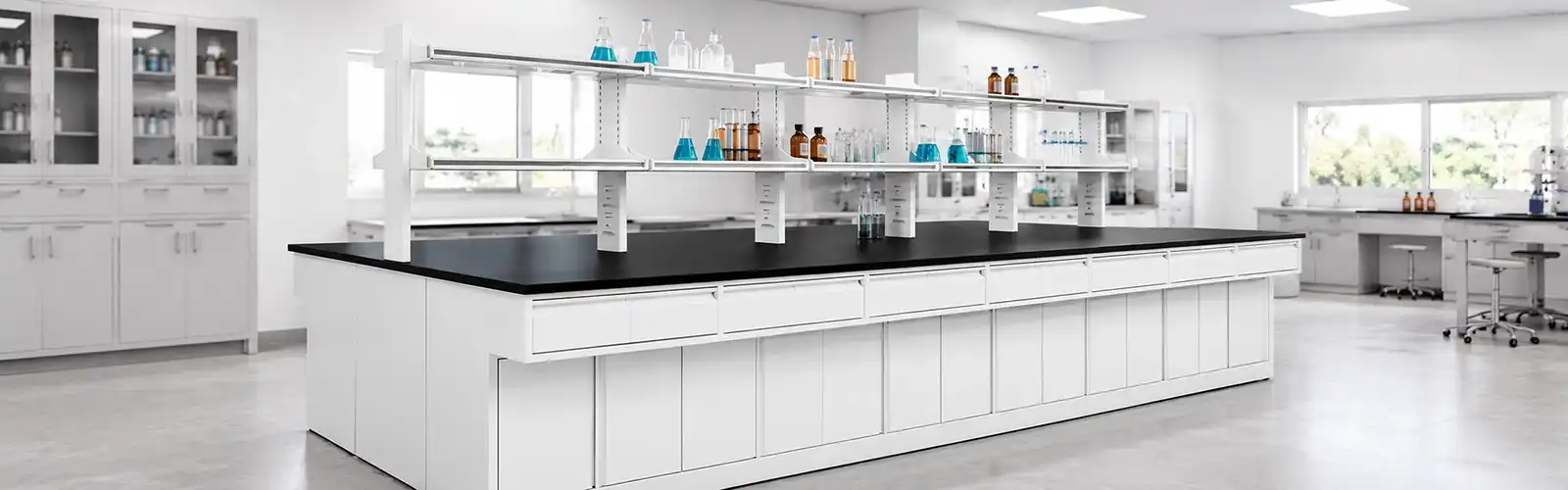
Comparing Custom Lab Workstations and Standard Lab Furniture
Flexibility and Adaptability
As new research protocols, equipment upgrades, and changes to regulations come out, lab operations are always changing. This problem is solved by modular design principles in custom lab workstations, which let you change the way they are set up without having to completely replace them. As the needs of a project change, facilities can add overhead shelves, movable pedestals, or more utility hookups. A pharmaceutical company recently changed the layout of their custom seats to make room for automatic systems that handle liquids. This saved them the cost of buying all new furniture. Standard lab furniture isn't very flexible—it comes in set sizes and shapes, which means that when needs change, facilities often have to buy new equipment or find expensive ways to get around the problem. This lack of flexibility is especially annoying in research and development settings where experiment procedures need flexible space.
Safety and Compliance Performance
Meeting laboratory safety standards and following the rules is a very important part of buying something. By carefully choosing the materials and building the structures, custom lab workstations can be made to meet SEFA 8-M standards, OSHA rules, and GMP requirements. The smooth epoxy-coated surfaces keep chemicals from pooling and make it easier to clean thoroughly, which is important for biosafety level practices. Safety rules require chemical storage boxes to have ventilation paths and spill control features. The basic safety standards for standard furniture may be met, but it rarely meets specific compliance needs like ESD protection for electronics labs or vibration damping for precision microscopes. Government research facilities and testing labs have to make sure that the specifications of the furniture they buy meet their certification needs. This is easier to do when they work with makers that offer custom engineering advice.
Cost Analysis and ROI Considerations
Here are the main financial factors that affect the choice of furniture:
- Initial Investment: Standard lab equipment has lower initial costs, usually 30–50% less than custom options. This makes it appealing for schools and labs that are just starting out with limited funds.
- Operational Longevity: Custom lab workstations have service lives of more than ten years because they are made in a way that prevents rusting. This means that they don't need to be replaced as often, which saves money on downtime costs.
- Maintenance Expenses: Seamless surfaces and flexible parts make cleaning and fixes easier, which lowers ongoing maintenance costs compared to regular furniture that needs hardware changes all the time.
- Productivity Impact: Custom lab workstations that are ergonomically designed make workers less tired and get work done faster, which more than makes up for their higher starting costs.
Because of these financial factors, it is clear that unique solutions are often better for places that want to get the best long-term performance. A biotech company found that they could get an 18% higher return on investment (ROI) over ten years by choosing custom benches that wouldn't rust instead of buying new furniture every five years because of chemical damage.
Delivery and Installation Timelines
Especially for turnkey laboratory projects with set due dates, procurement timelines have a big impact on furniture selection. Standard lab furniture can be shipped within days and is easy to set up with simple tools, making it a good choice for places that need to start using it right away. Custom lab workstations are made using 3D CAD modelling, quality testing, and other specialized production methods and take 20 to 40 days to complete. But manufacturers like Uken use a modular design approach that makes installation easier on-site—pre-assembled parts snap together easily, which cuts down on labor costs. Smaller packaging also cuts down on shipping costs, which is an important thing to think about for big projects like furnishing a lot of buildings. When making project plans, engineering managers have to weigh the importance of speed against the benefits of customization.
How to Design and Procure Custom Lab Workstations that Fit Your Facility?
Assessing Facility-Specific Requirements
A thorough needs analysis with lab managers, safety officers, and end users is the first step to successful buying. Before hiring manufacturers, write down the space limitations, equipment sizes, utility access points, and workflow patterns. After sketching out how technicians moved and finding bottlenecks, a research center increased bench utilisation by 35%. Think about plans for future growth—modular custom lab workstations can handle it more cheaply than set designs. When making specifications, pharmaceutical facilities have to think about GMP compliance, cleanroom compatibility, and documentation protocols. This thorough evaluation phase stops expensive design changes and makes sure that finished workstations really do make operations run more smoothly.
Selecting Materials for Chemical Resistance
In harsh lab settings, the choice of material directly affects how long a desk lasts and how often it needs to be maintained. Epoxy resin work surfaces are made of a single piece that is resistant to hydrofluoric acid, sulfuric acid, and organic solvents that are often used in chemistry and materials science labs. The smooth, seamless finish keeps germs from growing and makes it easier to clean, which is very important for medical labs and food testing centers. Cold-rolled steel frames that have been treated with acid washing, phosphating, and electrostatic spraying don't break down when they are exposed to water or chemicals. For biotechnology cleanrooms and hospital operating rooms, other materials, like stainless steel, are better at keeping germs away. Procurement teams should ask for proof that the materials they're buying are resistant to certain chemicals that are used in their facilities.
Evaluating Manufacturer Qualifications
Working with skilled manufacturers guarantees the standard of the product and the success of the project. Check for certifications like ISO9001 for quality management, ISO14001 for environmental standards, and CE marking to make sure the product meets international standards. Look at the manufacturer's portfolios to see how they've worked with similar types of facilities. For example, pharmaceutical companies need suppliers who know how to make GMP workshop furniture systems, and universities want solutions for teaching labs that don't cost too much. Being able to provide technical advice is helpful during the design phase, when engineering advice helps make layouts work best. Ask for thorough custom quotes that include information about the materials, sizes, shipping times, and guarantee terms. When a manufacturer offers OEM and ODM customization services, it gives projects more freedom to meet their specific needs. Setting up clear rules for conversation early on stops mistakes that slow down projects and cost more.
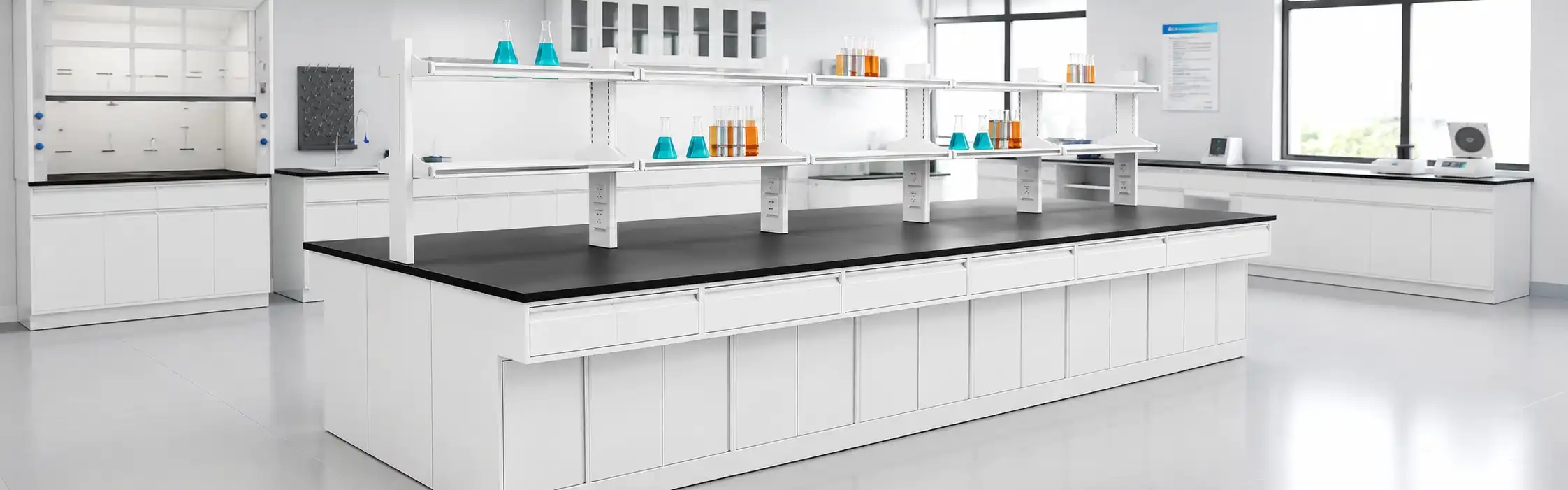
Real-World Cases: Success Stories of Custom Lab Workstation Integration
Chemistry Lab Safety Enhancement
A company that makes chemicals had problems with rusting on normal benches that were often exposed to strong acids and caustic solutions. Having to replace furniture all the time slowed down operations and made yearly maintenance funds bigger. They built custom lab workstations out of 1.00 mm cold-rolled steel and covered them in three layers of epoxy after talking to specialized manufacturers. Integrated chemical storage boxes with air flow lines made it easier to handle dangerous materials. Within six months, there were no more corrosion incidents, and technicians said their workstations were more comfortable to be in. The building stopped replacing furniture without a plan, which cut upkeep costs by 40% over three years. You can see from this case how focused customisation can fix operating problems that standard furniture can't.
Biotech Lab Workflow Optimization
Standard furniture that wasn't easy to move made it hard for teams to work together on projects and share equipment at a biotechnology research institute. Lab leaders looked for modular solutions that could be quickly rearranged as project goals changed. They chose custom lab workstations with standard modular parts like cabinets that can be switched out, mobile carts, and shelving systems that can be adjusted. The knock-down structure made it easier to install on multiple floors and made it easier to add on in the future. Researchers changed the shapes of benches every three months without hiring outside help, which made better use of room and allowed people from different departments to work together. When compared to fully built options, compact packing cut shipping costs by 25% at first. This implementation showed how modularity and ease of assembly can give you operational flexibility after the initial installation is done.
Making the Final Decision: Is a Custom Lab Workstation the Right Choice for Your Facility?
Evaluating Decision Criteria
When choosing laboratory furniture, people who work in procurement have to think about a lot of things. A person's ability to pay for something often controls conversations, but only looking at the original costs can make you miss the long-term value. Customisation is very helpful for places that work with corrosive chemicals, are closely watched by regulators, or need to integrate specialised equipment. Standard furniture works well in most educational labs and quality control settings where work fCustomization. Decisions are affected by the time frames available for installation. For example, urgent projects may need standard cspecialized though they have limitations, while planned building upgrades give time for custom lab workstations to be engineered. Figure out how much customization you need. Picking a colour is very different from fully engineered workstations with built-in utilities and specialised surfaces. These criteria make a decision matrix that helps procurement make the best investments that are in line with the organization's priorities.
Matching Solutions to Facility Types
Different study settings need different ways of arranging chairs. Pharmaceutical companies and GMP production facilities need systems that have been tested and meet strict safety standards. This means that unique solutions are almost always necessary. Biotechnology and research organisations prefer modular custom lab workstations because they are flexible and can be expanded in the future. Surgical rooms and medical labs need smooth, easy-to-clean surfaces that aren't usually found on regular furniture. In order to balance quorganizationsst, schools might choose standard furniture for training labs for first-year students while spending more on custom solutions for advanced study rooms. Environmental testing and food safety labs that work with a variety of sample types benefit from having workstations that can be configured to fit different types of analytical equipment. This method of matching furniture to the type of building makes sure that investments in furniture support operating tasks well.
Recognizing Quality Indicators
To tell which manufacturers are the best, you need to look at more than just marketing claims. Instead of fixed joints, which can come loose, look for structural features like full one-piece welding. Check the covering thickness and anti-corrosion treatment methods—preparations with multiple steps, such as acid washing and phosphating, show a strong commitment to quality. Ask for load-bearing certificates that show the structure can hold heavy instruments without collapsing. Service life promises of ten years or more show that the company that made the product is sure it will last. Full certification packages that include ISO9001 for quality management, ISO14001 for environmental standards, and ISO45001 for occupational health show that the business is mature. Manufacturers with production sites that are 30,000 square meters or more and have specialized engineering teams have the means to handle complex customization projects. These quality indicators help procurement teams find suppliers that can provide lab equipment that works well and lasts a long time.
Conclusion
When deciding between custom lab workstations and standard lab furniture, it's important to weigh short-term budget concerns against long-term operating needs and legal responsibilities. Custom solutions offer better resistance to chemicals, better ergonomics, and compliance with regulations. This is very important for pharmaceutical, biotech, and research facilities that must maintain precision and safety. Standard furniture works well in regular labs that want to be up and running quickly and with little initial investment. The choice will depend on the specific needs of your facility, such as the complexity of the work, the level of chemical exposure, the needs for integrating equipment, and plans for future growth. Make sure that your furniture investment increases productivity, meets safety standards, and supports your research goal for years to come by carefully evaluating your needs, the materials, and the manufacturers.
FAQ
What advantages do modular custom workstations offer?
Modular systems let facilities change layouts without buying all new furniture. This makes it possible to adapt to changing research needs and improvements in equipment. Compared to set designs, these custom lab workstations are easier to install and cost less to labor because the parts snap together quickly.
How do epoxy resin surfaces compare to other materials?
Epoxy glue is very good at resisting strong acids, bases, and organic solvents. It also keeps the surface smooth, which stops chemicals from pooling and germs from growing. Because it is made of a single piece, there are no joints where dirt and other things can get stuck. This makes it perfect for chemical and pharmaceutical labs.
What certifications should I require from manufacturers?
Give more weight to suppliers who have ISO9001 for quality management, ISO14001 for environmental compliance, and ISO45001 for health and safety at work standards. For international projects, CE marking is often needed, and SEFA 8-M approval proves that lab furniture is durable and resistant to chemicals.
Can custom workstations be disassembled for relocation?
High-quality custom systems are built in a way that lets them be taken apart completely and put back together in different places without hurting any of the parts. This way of designing furniture makes it last longer than just one use, which is great for organizations that are growing.
What lead time should I expect for custom projects?
Depending on how complicated the project is, manufacturing usually takes 20 to 40 days. This includes design consultation, 3D modelling, fabrication, and quality testing. Planning procurement timelines in this way keeps projects from running late and makes sure that all the necessary customizations are made.
Partner with Uken for Tailored Laboratory Solutions
Uken is a reliable company that makes custom lab workstations for research, biotech, and pharmaceutical companies all over the world. In our 30,000-square-meter factory, where we have 100 skilled engineers, we make modular, corrosion-resistant desks that are exactly what you need. We use 1.00 mm cold-rolled steel and give it a multi-stage anti-corrosion treatment. This gives it a ten-year service life, even in harsh chemical environments. Our modular design makes installation and future rearrangement easier, and our small knock-down packing cuts down on shipping costs. We meet the international quality and safety standards your facility needs because we have CE, ISO9001, ISO14001, and ISO45001 certifications. These services include figuring out what you need, designing a unique plan, making things for OEM/ODM customers, and helping you after the installation is done. Email Our Team at ceo@ukenlab.com to talk about how our unique laboratory chairs can help your facility be more productive, safe, and in line with regulations.
References
1. Laboratory Furniture Standards Committee. "SEFA 8-M Testing Protocol for Metal Laboratory Furniture Chemical Resistance." Scientific Equipment and Furniture Association, 2021.
2. Henderson, R. M. "Ergonomic Design Principles for Research Laboratory Workstations." Journal of Laboratory Safety Management, vol. 34, no. 2, 2022, pp. 45-62.
3. National Institute for Occupational Safety and Health. "Laboratory Safety Guidelines: Furniture Material Selection and Chemical Compatibility." U.S. Department of Health and Human Services, 2020.
4. Wu, J. and Thompson, K. "Total Cost of Ownership Analysis for Laboratory Infrastructure Investments." Facilities Management Quarterly, vol. 28, no. 4, 2023, pp. 112-129.
5. Pharmaceutical Manufacturing Standards Board. "GMP Compliance Requirements for Production Facility Furniture Systems." International Pharmaceutical Quality Association, 2021.
6. Brennan, L. et al. "Modular Laboratory Design: Flexibility and Future-Proofing Scientific Workspaces." Laboratory Design and Construction Journal, vol. 19, no. 3, 2022, pp. 78-94.

CUSTOMER REVIEWS
What Our Customers Say