



Modular Lab Bench Solutions for Custom Laboratory Project Layouts
When pharmaceutical R&D teams face rapid changes in research pipelines or biotech labs need to reconfigure workflows without costly downtime, modular laboratory furniture becomes mission-critical. A Modular Lab Bench solution delivers the flexibility to adapt custom laboratory project layouts through interchangeable components, standardized dimensions, and tool-free reconfiguration capabilities. Built from premium 304 stainless steel with chemical-resistant surfaces, these systems support GMP/GLP compliance while allowing research facilities to pivot between wet chemistry stations, analytical instrument platforms, and aseptic processing zones without structural demolition or extended shutdowns.
Understanding Modular Lab Benches and Their Benefits
What Makes Laboratory Workstations Truly Modular?
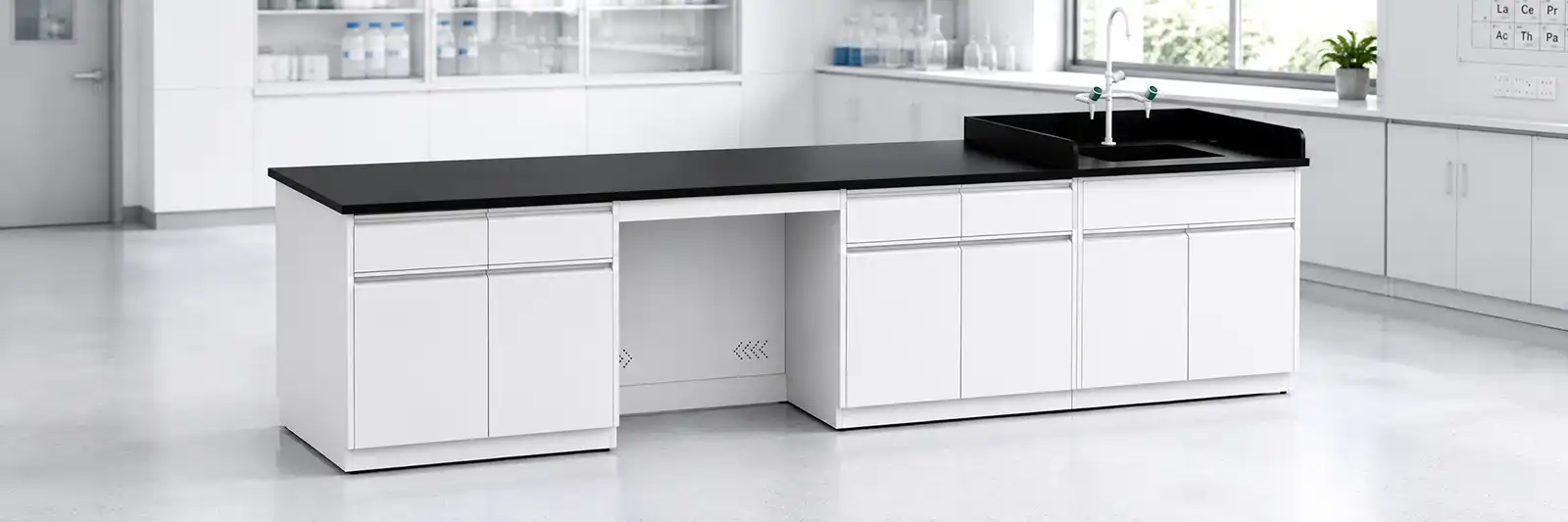
A truly modular piece of lab equipment has a standard framework that lets it be used in more ways without having to replace whole installations. Instead of traditional fixed casework that is permanently attached to floors and walls, these systems use separate cabinet modules. Single units are 470×520×830mm, double cabinets are 900×520×830mm, and sink stations are 1440×720mm. Instead of permanent glues or welding, each part is connected by precision-engineered joints. This lets the structure be rearranged as research goals change.
The choice of material determines how well something will work over time in harsh conditions. The 304 stainless steel construction with a standard thickness of 1.0 mm (actually 0.8 mm) makes it very resistant to reagents that are known to be corrosive and are often used in pharmaceutical synthesis and quality control testing. This type of stainless steel can be exposed to strong acids, alkaline solutions, and organic solvents over and over again without losing its surface, which would make it less sterile in GMP-controlled areas.
Core Advantages for Pharmaceutical and Biotech Facilities
The modular method has real operational benefits that have a direct effect on the amount of study that can be done and the total cost of ownership. Specialty equipment, like high-throughput screening platforms and sensitive analytical scales that need vibration isolation, can be fitted into setups that are easy to change. As the development teams move from preliminary studies to pilot-scale manufacturing, they can shift existing furniture to support the new ways of working instead of having to buy all new furniture.
Temperature resistance is very important in labs that need to store things in cryogenics and use autoclaves. From -20°C to high temperatures, these workstations keep their structural integrity, which keeps them from cracking and warping like cheaper materials do. The smooth, shiny surface of stainless steel doesn't have any holes or other imperfections that microbes could use to form biofilms. This makes it possible to meet strict cleanroom particle count standards in aseptic processing environments.
The financial perks go beyond the cost of purchase. 304 stainless steel systems cost more up front than wood-composite alternatives, but they last longer and need less maintenance, so they are a better investment over their whole life. Pharmaceutical businesses don't have to worry about the hidden costs that come with furniture breaking down too soon, which could contaminate whole runs of production or require regulatory fixes during FDA inspections.
Comparing Modular Lab Benches: Making Informed Decisions for Procurement
Evaluating Durability Against Fixed Laboratory Casework
When floor plans need to be changed, traditional set benches make renovations hard and stop study in progress. For permanent installations, workers have to tear down existing buildings, which makes controlled settings less safe because of the dust and debris that is created. The different Modular Lab Bench system can be taken apart with simple bolt connections, which lets it be moved during off-shift hours without stopping work in the next lab.
When holding big analytical instruments, load-bearing ability is still very important. Each modular cabinet goes through a lot of tests to make sure it is structurally stable when the most weight is put on it. The reinforced worktop surface is made of 304 stainless steel and can be backed up with extra 18mm decorative board support. It can handle heavy loads from mass spectrometers, centrifuges, and automatic liquid handling systems without bowing or warping, which could affect the accuracy of the measurements.
Different types of materials have very different maintenance needs. Wood-composite chairs need to be refinished every so often to stop water from getting in and causing mold and swelling in wet places. Phenolic resin surfaces are resistant to chemicals, but they get tiny cracks that let dirt and other things in. The smooth stainless steel construction only needs to be cleaned regularly with common lab chemicals to keep things clean and in line with aseptic processing rules.
Analyzing Quality Standards and Compliance Certifications
In businesses that are controlled, people in charge of buying things must make sure that laboratory furniture meets international safety standards. Certifications from ISO, CE, SEFA, and SGS show that the product has been tested for chemical protection, load deflection, and drawer cycle reliability (at least 50,000 cycles for 400mm silent three-section slide rails). With these qualifications, you can be sure that the furniture installations meet the standards set by the FDA, EMA, and NMPA for inspections of pharmaceutical production sites.
The way surfaces are treated has a direct effect on how resistant they are to corrosion over time. High-end manufacturers use several steps, such as acid washing, phosphating, and electrostatic powder covering, to protect their products from harsh chemicals. This engineering stops the early rusting that happens when lower grades of 201/202 stainless steel are passed off as real 304 material. This is a common quality issue when buying lab furniture.
How to Choose and Procure the Ideal Modular Lab Bench Solution?
Defining Laboratory-Specific Requirements
A thorough study of the work flow is the first step to effective buying. For example, labs that make pharmaceutical formulations need sinks with special drainage for getting rid of hazardous waste. And labs that do analytical chemistry put a lot of emphasis on ergonomic worktop heights that keep operators from getting tired during long testing sequences. Writing down these functional requirements stops expensive changes that happen after installation and mess up tested processes.
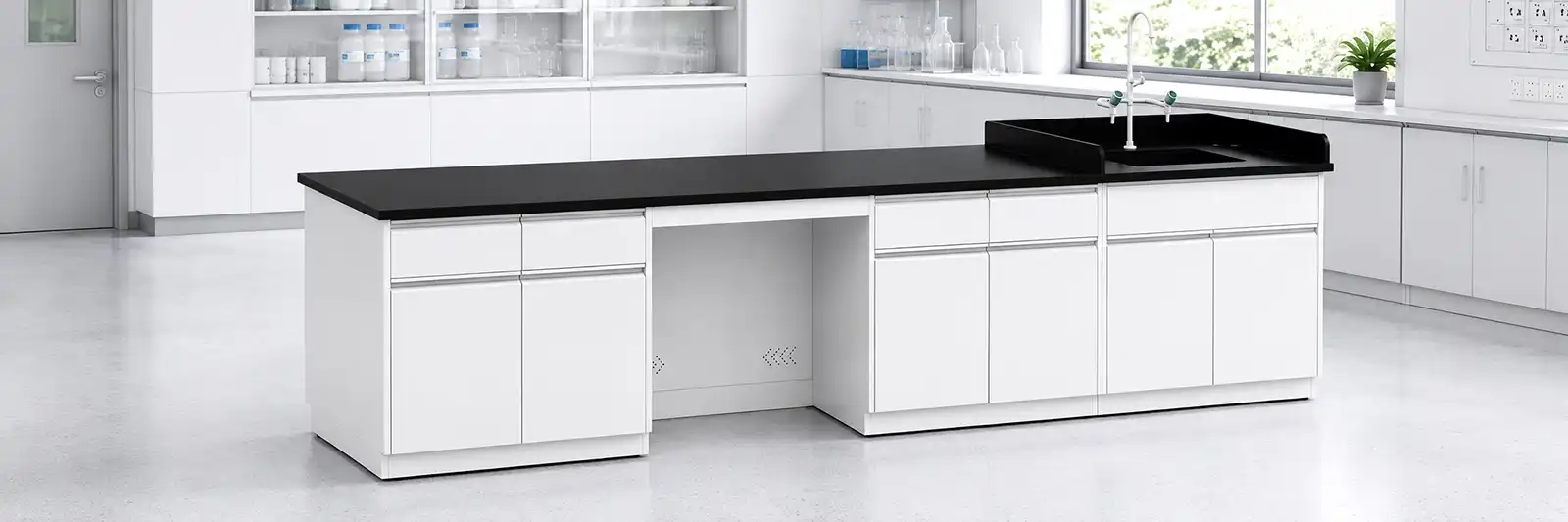
In current facilities, configuration choices are limited by space. Because you can mix and match cabinet layouts, Modular Lab Bench systems can work with irregular floor plans. They do this by mixing single units, double units, and drawer modules to make the most usable space while staying within their footprint limits. The knocked-down structure makes it possible to deliver through normal doorways and freight lifts, which gets rid of the problems that come up when installing fixed benches that are too big.
Compatibility of equipment is more than just a matter of sizes. Vibration-sensitive instruments, such as microbalances, need to be kept away from people walking on them. This can be done with elevated bench designs, which stop vibrations from being transmitted through the floor. Overhead service carriers built into modular frameworks move gas lines, electrical conduits, and data cables while leaving enough floor space for mobile carts and escape routes in case of an emergency.
Evaluating Supplier Reliability and Customization Services
Credentials from manufacturers give you peace of mind about their output ability and engineering know-how. Large pharmaceutical campus projects can be completed with facilities that are more than 50,000 square meters and have their own engineering teams. Site audits make sure that suppliers follow quality control rules at all stages, from testing incoming materials (using spectroscopy to confirm that the steel is real) to inspecting the finished product before shipping.
Customization services let you make things that don't come in a normal catalog that fit the needs of your individual project. Custom holes in the worktop for installing equipment, specialized drawer dividers for storing samples in a way that meets regulatory requirements, and color-matched powder finish that meets corporate facility standards are all features that add value. By making lead times clear, procurement managers can better organize the delivery of furniture with building schedules, which helps keep projects on schedule and on budget.
As companies try to get LEED approval and lower their carbon impact, environmental sustainability becomes a bigger factor in their buying choices. Eco-friendly stainless steel is made from recycled materials and doesn't affect performance, and low-VOC powder coats keep the air quality in labs that are very busy. These qualities help companies stick to their ESG commitments while also meeting strict cleanroom contamination control standards.
Assembling and Maintaining Your Modular Lab Bench for Optimal Performance
Installation Best Practices for Regulatory Compliance
When you put something together the right way, it will last for decades of heavy use. The knock-down design comes with labeled parts and connection spots that have already been drilled, making assembly easier on-site. Installing teams should use precise tools to make sure that all cabinet modules are level, since even small differences in height can cause practical problems and make mobile carts not work with them.
To keep particles from forming, cleanroom setups need to follow special steps. Stainless steel parts should stay in their protective wrapping until they are put in place for good, and all assembly tools must be cleaned and tested to make sure they are clean. Particle counting after the furniture was put in shows that adding the furniture hasn't changed the ISO classification levels needed for making clean pharmaceuticals.
To connect utilities, building engineering teams need to work together for Modular Lab Bench. Integrated sink stations need to have the right drainage slope so that water doesn't sit still and grow microbes. GFCI protection and proper grounding for sensitive electronic equipment must be built into electrical outlets that are placed on worktops. Before they can be used, gas line connections must be tested for leaks according to the safety rules that apply.
Preventive Maintenance to Maximize Service Life
Protocols for routine inspections find potential problems before they get in the way of lab work. Building settlement can be fixed by checking the leveling feet every three months. This keeps the work areas stable, which is necessary for accurate measures. Checking the torque of bolts once a year keeps them from coming loose from temperature cycle and vibration, which is especially important in buildings with large HVAC systems.
The corrosion-resistant surface of stainless steel doesn't need as much maintenance as other materials. Using pH-neutral soaps to clean every day gets rid of chemical leftovers without hurting the protected oxide layer. Scratching that could lead to contamination in GMP-controlled environments can be avoided by not using rough scrubbing pads. Using stainless steel cleaning on a regular basis can bring back the shine and improve surface passivation.
Having parts that can be replaced makes the whole system last longer. You can switch out individual drawer units or cabinet parts instead of changing whole bench runs. This cuts down on downtime and capital costs. When labs grow, this modularity comes in handy—old furniture is moved to new rooms, and new modules are added without any problems, so the whole building looks the same.
Future Trends and Innovations in Modular Lab Bench Solutions
Advanced Materials and Antimicrobial Technologies
New discoveries in material science keep making lab chairs work better. Next-generation antibacterial stainless steel has silver ion technology built in that stops germs from growing on work surfaces. Cross-contamination risks are lower in microbiology labs and cell culture facilities, where aseptic method is still very important for the purity of experiments.
New eco-friendly composite materials on the European market are made from recycled materials and have the same chemical protection as standard lab-grade surfaces. Research schools with strict carbon balance goals are interested in these environmentally friendly options. Lifecycle study shows that the product has less of an effect on the environment without lowering its sturdiness, which is important for quality control uses in pharmaceuticals.
Smart Laboratory Integration and Ergonomic Adaptability
Through IoT-enabled monitoring systems, lab furniture is becoming more digital. Embedded sensors keep track of how work surfaces are used, which helps with decisions about how to best use space during facility expansions. Adding environmental tracking alerts users to changes in temperature or humidity that might make it harder to repeat an experiment. This gives data that helps operations that are controlled by 21 CFR Part 11 stay in line with the rules.
Height-adjustable workstations help lab workers who have different body types. Electric actuators make it easy to switch between sitting and standing work positions, which keeps muscles and joints from getting hurt during long analytical procedures. Programmable memory settings let multiple people use the same tools, which increases productivity in pharmaceutical factory situations where people work shifts.
Conclusion
It is a smart investment in operating freedom and regulatory compliance to choose the right Modular Lab Bench furniture. Premium systems are usually made of 304 stainless steel, which is resistant to chemicals, long-lasting, and has a clean surface. These are all important for pharmaceutical development, clinical tests, and biotech research. Standardized modular dimensions make it easy to change the layout quickly as research priorities change, without having to replace fixed casework, which can cause operational problems and cost a lot of money. To make sure that lab equipment supports scientific success for many decades, procurement teams should give preference to sellers that offer material certifications that can be checked, full customization services, and proof of compliance with international safety standards.
FAQ
Can modular laboratory benches accommodate irregular floor plans?
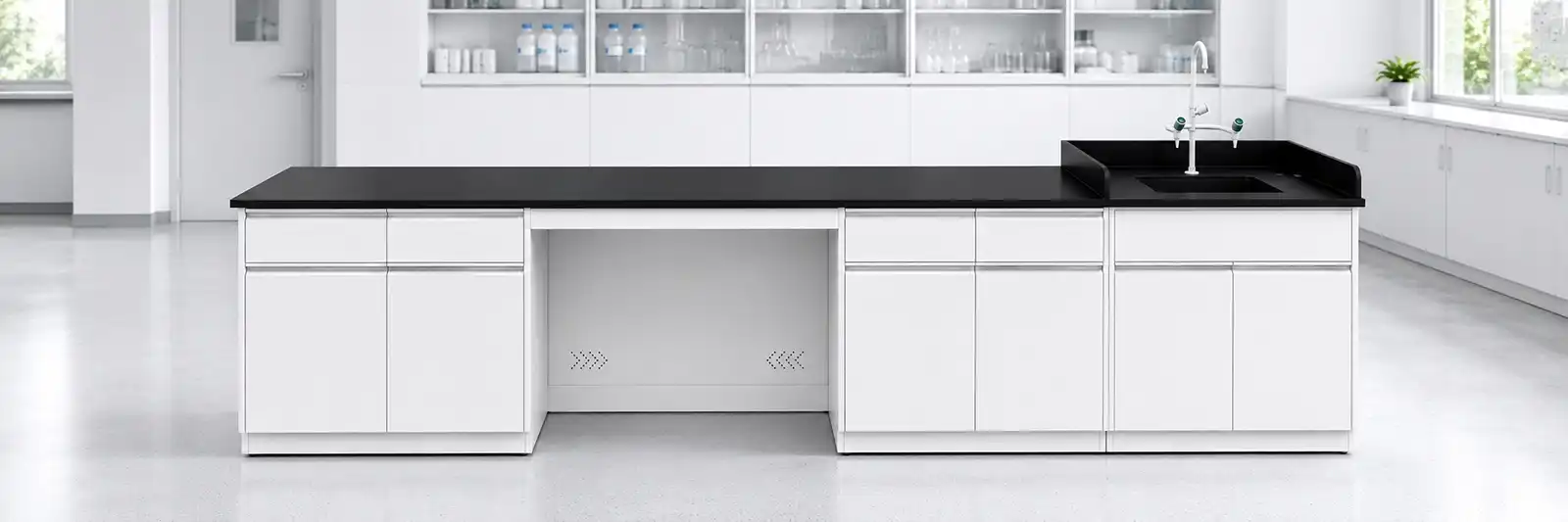
Flexible closet setups make Modular Lab Bench systems great for spaces that are hard to work with. Single units, double cabinets, and special corner modules can be put together to make the most useful room in buildings that already have structural beams or angular walls. Custom layouts can be made with the standardized connection interface, which means that no special manufacturing is needed. This cuts down on lead times for complicated projects.
What lead times should procurement managers expect for bulk orders?
Depending on the size of the project and the level of customization needed, standard modular configurations usually ship 20 to 40 days after the order is confirmed. Installations that are very complicated and need a lot of changes or meet high-purity sterile standards may take 45 to 60 days. Manufacturers with a good reputation give clear production schedules and updates on important milestones throughout the manufacturing process to help with coordinating the building process.
How do these workstations support stringent safety compliance?
The seamless stainless steel construction gets rid of cracks where harmful residues can gather, making the cleaning steps needed by GMP regulations easier. Fire- and moisture-resistant features keep structures from breaking down, which could threaten the stability of containment. Documentation of load tests and material approvals show that laboratory safety standards, such as SEFA targets, are being met, and can be used as proof in an audit.
Partner with Trusted Modular Lab Bench Manufacturers
For decades, choices about lab facilities have an effect on how much research gets done and how well regulations are followed. Uken specializes in providing Modular Lab Bench workstations made of 304 stainless steel that are designed for environments that work with pharmaceutical development, clinical diagnostics, and biotech manufacturing. Our 100 highly skilled engineers and 50,000-square-meter production center make sure that every part meets the quality standards of ISO, CE, SEFA, and SGS. Our systems can be changed to fit your unique process needs while still meeting the chemical resistance and clean surfaces standards set by regulatory agencies. This is true whether you're building a new GMP facility or improving an existing lab. Email our technical team at ceo@ukenlab.com to talk about your specific lab project needs and get detailed specifications that are made to fit your operations.
References
1. Scientific Equipment and Furniture Association. (2019). SEFA 8.1 Laboratory Furniture Standard: Recommended Practices for Metal Laboratory Furniture. Hilton Head Island, SC: SEFA Publications.
2. Chartered Institution of Building Services Engineers. (2020). Laboratory Design Guide: Planning and Management of Research Laboratories. London: CIBSE Technical Memoranda.
3. American Society of Heating, Refrigerating and Air-Conditioning Engineers. (2021). ANSI/ASHRAE Standard 62.1: Ventilation for Acceptable Indoor Air Quality in Laboratories. Atlanta, GA: ASHRAE Press.
4. International Organization for Standardization. (2018). ISO 14644-1: Cleanrooms and Associated Controlled Environments - Part 1: Classification of Air Cleanliness. Geneva: ISO Standards.
5. National Fire Protection Association. (2021). NFPA 45: Standard on Fire Protection for Laboratories Using Chemicals. Quincy, MA: NFPA Publications.
6. U.S. Food and Drug Administration. (2020). Guide to Inspections of Quality Systems: Laboratory Furniture and Equipment Qualification. Rockville, MD: FDA Office of Regulatory Affairs.

CUSTOMER REVIEWS
What Our Customers Say