



Fume Hood in Chemistry Research Labs: What You Need to Know
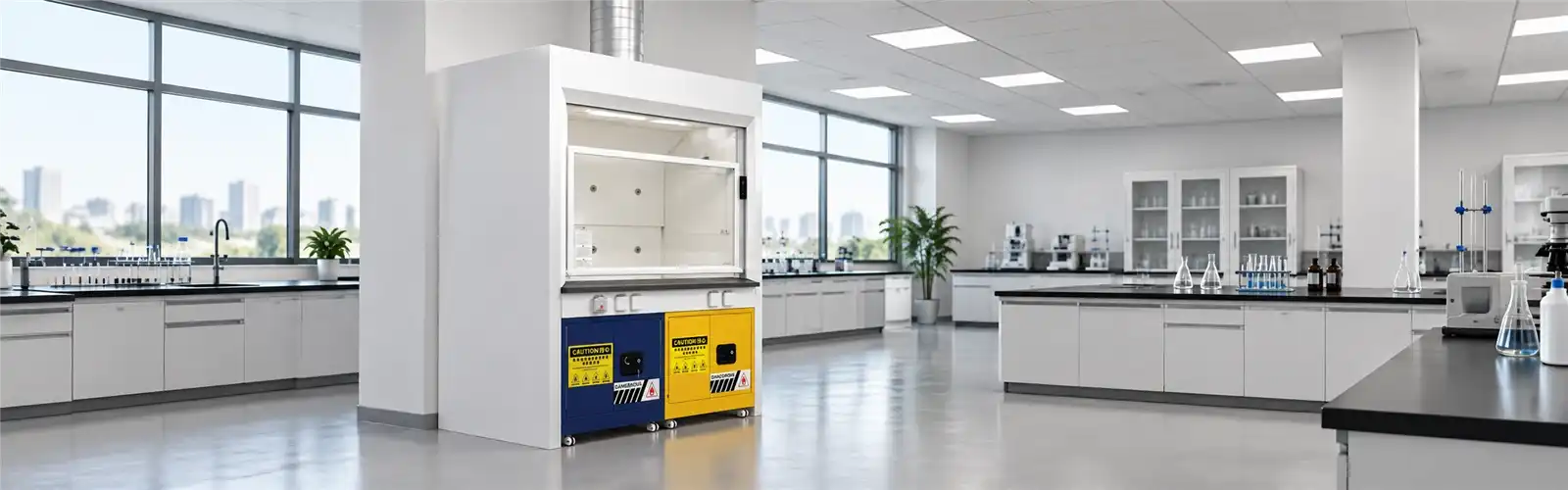
If you work with volatile solvents, acid vapors, or reactive compounds, a laboratory fume hood is not optional equipment — it is your first line of defense. A fume hood is a local exhaust ventilation (LEV) device that draws contaminated air away from the user, captures hazardous vapors at the source, and exhausts them safely outside the building. Whether you manage a pharmaceutical research facility, an educational lab, or a chemical testing environment, understanding how Fume Hoods work and what to look for at the procurement stage directly affects both safety outcomes and operational costs.
Understanding Laboratory Fume Hoods: Definitions, Types, and How They Work
What Is a Fume Hood?
A fume hood with a negative-pressure area goes around chemical work. Vents in the front let air into the room. It takes dirt and grime from inside and sends them outside through a duct. Because of this steady flow of air in, vapors can't get into the breathing zone. As per OSHA 29 CFR 1910.1450, fume hoods are important safety equipment that needs to be part of chemical safety plans.
Ducted vs. Ductless Systems
A building's HVAC vent system is related to ducted hoods, which deal with many chemicals, like acid mists and volatile organic compounds (VOCs). These hoods use HEPA media or activated carbon to clean the air and then send it back into the room. When the amount of work to be done is low, ductless types work well. However, they can't handle strong chemicals or perchloric acid. Ducted systems are still used in most chemistry labs. No matter how high the sash is, no matter what kind of hood it is, the flow rate stays the same. Variable air volume (VAV) hoods use up to 60% less energy than continuous air volume (CAV) systems, according to ASHRAE standards. This is because they change the flow of air based on where the window is located. When the sash is opened, a top screen on a bypass hood lets different amounts of air in. This keeps the speed of the face from changing too much. Safety from chemicals and how long it lasts depend on the type of material used, like powder-coated steel, epoxy resin plates, or stainless steel 304/316.
CAV, VAV, and Bypass Hood Types
Constant Air Volume (CAV) hoods maintain a fixed exhaust rate regardless of sash height. Variable Air Volume (VAV) hoods adjust airflow based on sash position, reducing energy consumption by up to 60% compared to CAV systems, according to ASHRAE guidelines. Bypass hoods introduce compensating air through an upper grille when the sash is lowered, preventing excessive face velocity fluctuations. Material options — stainless steel 304/316, epoxy resin liners, or powder-coated steel — determine chemical resistance and service life.
Key Factors to Consider When Choosing a Fume Hood
Define Your Lab Requirements First
Make a plan before you start comparing laboratory fume hood products. How wide should the windows be while work is being done? What chemicals are being used? Check to see if your HVAC system can handle piped air. Standard widths of 1200 mm, 1500 mm, and 1800 mm let you set up the benches in different ways. Bigger holes let more air flow through and cost more to heat, but they also give you more space to work.
Technical Criteria That Matter
What buying teams should look for in terms of success before making an order are these main points:
- Face velocity: Optimal containment sits between 60–100 fpm (0.3–0.5 m/s). Below 60 fpm risks chemical exposure; above 120 fpm creates turbulence that actually pushes vapors outward.
- Certifications: Look for EN 14175 (European standard), NSF/ANSI 49 (North America), CE, ISO, and CQC. These documents are not just compliance checkboxes — they are required for resale in most regulated markets.
- Noise levels: Units operating above 65 dB affect long-term laboratory comfort and staff focus.
- Energy efficiency: VAV systems with demand-driven controls lower annual HVAC operating costs significantly in high-use facilities.
How safe something is and how much it costs to own are both directly affected by these things. When you buy something, if you don't pay attention to any of these things, you might have to pay a lot to repair them or fail regulatory checks later on.
Sizing and Installation Guidance
Before you install, you need to know how far the exhaust duct needs to be from the wall, how wide it needs to be, and where the make-up air supply is. To fit a hood that is 1500 mm wide, the duct collar needs to be 8 to 10 inches across. It is important to check that the air-handling unit in your building can handle the smoke. This is especially important in clean rooms or GMP workplaces that need to stay at a certain temperature.

Operational Best Practices and Safety Guidelines
Correct Sash Positioning
If you want to control the hood best, set the sash to a working height of 18 inches (450 mm). Your face speed drops below the safe amount when you work above this height. There is usually a light on fume hoods that tells you where to put the sash. As scientists work with chemicals, they should keep the sash at or below this line.
Common Usage Errors to Avoid
Laboratory fume hoods don't work as well when you do certain things every day. The lower and upper airflow slots are blocked when things are pushed right up against the back baffles. This stops the steady flow of air that brings heavy fumes close to the bench. Putting your head inside the enclosure while you work is another common and dangerous mistake. Even if the hood is working right, you still need PPE like safety glasses and gloves that can handle chemicals.
Maintenance Schedule
According to OSHA and ASHRAE rules, the equipment needs to be certified every year by a trained worker. The sash locks should be looked at once a month between certifications, and the surfaces inside should be cleaned every three months to keep dirt from building up. If there are a lot of chemicals in the air, split types need to have their filters changed every 6 to 12 months. A lot of manufacturers put indicators on their filters that show you when they are full.
Troubleshooting, Performance Testing, and Certification
Identifying Common Performance Issues
Most of the time, an old fume hood's face motion is not fast enough. It could be that the exhaust pipes are clogged, the fan belts are worn out, or the HVAC system in the building is under negative pressure. Sounds like clicking or humming can mean that the fan motor is broken or that there is a loose link in the ductwork. Early detection stops both dangerous situations and repairs that cost a lot of money.
Standard Performance Tests
To make sure that control is met, the ASHRAE 110 tracer gas test is used all over the world. Inside the hood, SF₆ tracer gas is let out. This is checked to see if it gets into the operator's breathing area. If the face reading is less than 0.05 ppm, it means that control is being passed. There is no legal approval after a smoke pencil test. However, it is a quick way to see which way the airflow is going.
When Recertification Is Required
You need to get a laboratory fume hood recertified every time you move the unit, fix the exhaust fan, change the pipes, or do any other work on the HVAC system that changes the balance of the air that comes in and out. Labs could be breaking OSHA rules if they don't recertify after making fixes. They could be sued for this.

Future Trends and Energy-Efficient Innovations in Fume Hoods
VAV and Demand-Driven Ventilation
At the moment, VAV systems with sash position sensors and occupancy detectors are the most energy-efficient way to build a lab. The exhaust volume goes down automatically when a researcher leaves the room. This makes the HVAC system less busy without putting people in danger. People who switched from CAV to VAV said that each hood saved more than $1,000 a year in energy costs. This is especially true in large setups with lots of hoods.
Smart Lab Integration
Building management systems let facility managers see data on face velocity from many hoods on a single screen by monitoring the flow of air in real time and connecting it to those systems. When the flow falls below the safe level, warning levels let you know right away. In between planned checks, this makes it less likely that mistakes will go undiscovered.
Sustainable Materials and ROI
Acid cleaning, phosphating, and electrostatic spraying are used to protect cold-rolled steel from rust. This makes it last longer and need to be replaced less often. If buying teams choose a unit made from materials that don't react with acids and bases from the start, they can save a lot of money on maintenance costs over the course of a many-year deal.
Conclusion
To get the right laboratory fume hood ventilation tools for a science lab, you can't just pick a number out of a book. Some of the things that affect long-term performance and regulatory standing are face velocity standards, certification paperwork, the chemical resistance of materials, and the amount of energy used. When these things are known before a purchase is made, they protect researchers and institutional investments.
FAQ
What is the difference between a fume hood and a biosafety cabinet?
A fume hood protects the user from chemical vapors by exhausting air to the outside. A biosafety cabinet (BSC) uses HEPA filtration to protect both the user and the sample from biological contamination. BSCs are designed for biological agents; standard fume hoods are not appropriate for pathogen work.
How often does a fume hood need professional certification?
OSHA and ASHRAE standards require professional certification at least once per year. Recertification is also required after any relocation, repair, or HVAC modification that affects airflow balance.
Can a ductless fume hood handle all chemicals?
No. Ductless models rely on activated carbon filtration and cannot safely manage perchloric acid, high-concentration mineral acids, or radioactive materials. Ducted systems remain necessary for most full-scope chemistry lab applications.
What does face velocity mean?
Face velocity is the speed of air moving through the sash opening, measured in feet per minute (fpm) or meters per second (m/s). The accepted safe range is 60–100 fpm. Values outside this range either increase exposure risk or cause turbulence that degrades containment.
Why is my fume hood alarm going off?
Common triggers include a sash left open above the working height, a drop in exhaust fan output, or blocked rear baffles. Check sash position first, then inspect the exhaust duct for obstructions.
Request a Quote From Uken — Certified Laboratory Fume Hood Supplier
Chemical vapors can't get to the person using a fume hood because it lets air out. A biosafety cabinet (BSC) has a HEPA filter that protects both the person using it and the sample from getting biologically contaminated. BSCs are designed to work with biological agents, while normal fume hoods are not suitable for disease work. Contact service@ukenlab.com or WhatsApp +8615102909133 for more information.
References
1. American Society of Heating, Refrigerating and Air-Conditioning Engineers (ASHRAE). ASHRAE 110: Method of Testing Performance of Laboratory Fume Hoods. ASHRAE, 2016.
2. Occupational Safety and Health Administration (OSHA). Occupational Exposure to Hazardous Chemicals in Laboratories, 29 CFR 1910.1450. U.S. Department of Labor, 2011.
3. Scientific Equipment and Furniture Association (SEFA). SEFA 1: Laboratory Fume Hoods — Recommended Practices. SEFA, 2010.
4. National Fire Protection Association. NFPA 45: Standard on Fire Protection for Laboratories Using Chemicals. NFPA, 2019.
5. American National Standards Institute / NSF International. NSF/ANSI 49: Biosafety Cabinetry: Design, Construction, Performance, and Field Certification. NSF International, 2020.
6. European Committee for Standardization. EN 14175: Fume Cupboards — Terminology, Basic Requirements and Test Methods. CEN, 2019.

CUSTOMER REVIEWS
What Our Customers Say