



Which Laboratory Workbench Offers the Best Value for Money?
When it comes to selecting laboratory furniture that truly delivers value, the answer often lies in ceramic worktop systems combined with robust steel frameworks. A ceramic lab bench offers unmatched chemical resistance, exceptional durability, and minimal maintenance requirements—qualities that translate directly into lower total cost of ownership over a 20-year lifespan. Unlike composite materials that degrade under harsh reagents or stainless steel that corrodes without constant upkeep, ceramic surfaces remain inert and structurally sound even in the most demanding laboratory environments, making them the smart investment for procurement managers balancing budget with long-term performance.
Introduction
Picking out the right lab desk isn't like picking out items from a catalogue. As a facility engineer or procurement manager, it's your job to find solutions that balance high costs up front with years of reliable service. When you make the wrong choice, you end up with expensive replacements, safety risks, and operational problems that hurt study results and regulation compliance.
This guide is all about helping you find your way around the complicated world of lab worksurfaces. It focuses on ceramic-topped systems that offer both high performance and strategic value. If you know the real cost-benefit ratio of different worksurface materials, you can make choices that will please both your CFO and your lab managers. This is true whether you're setting up a pharmaceutical quality control lab, a university research facility, or a chemical manufacturing quality control department. We'll look at technical specs, compare different types of materials, and give you useful buying tips based on examples from real installations all over the US.
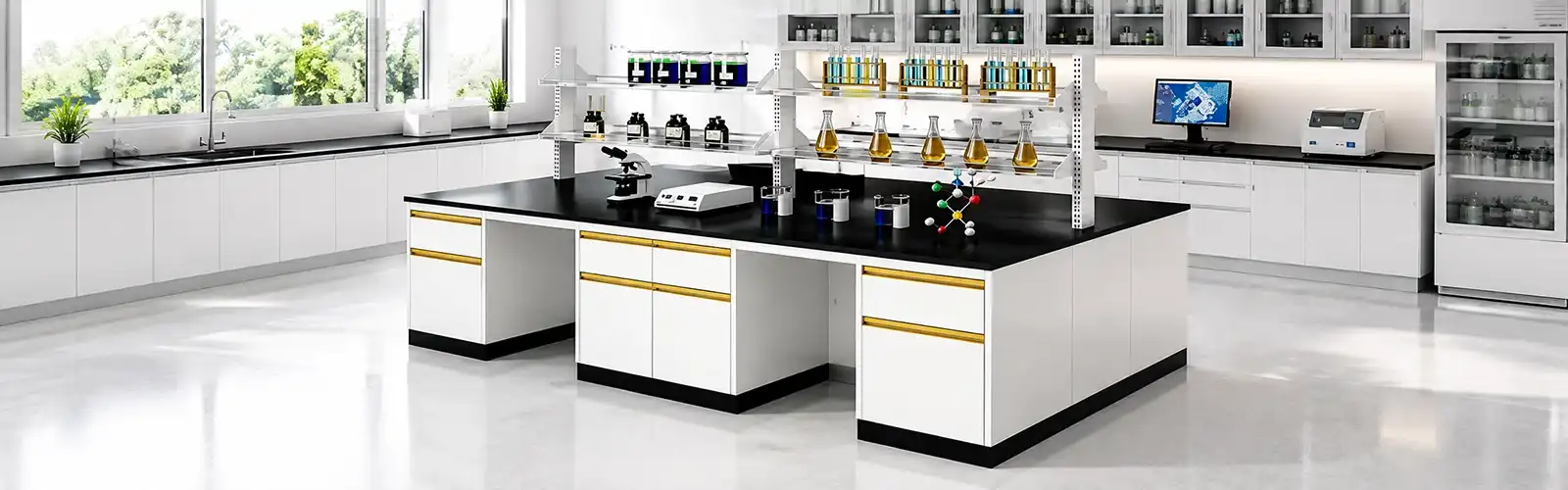
Understanding Laboratory Workbenches: Key Features and Benefits
What Defines a High-Performance Laboratory Workbench?
Laboratory workbenches are the building blocks of scientific work. They help with everything from simple tasks like preparing samples to more complicated analytical procedures. A good desk should be able to handle chemical spills, high temperatures, mechanical impact, and constant cleaning with strong disinfectants, all while keeping its shape and surface integrity.
Several important parts are built into modern laboratory furniture systems. Chemicals and physical abuse are mostly done to the worksurface itself. The frame that holds up the equipment must be able to keep sensitive instruments from shaking and hold heavy equipment. Storage integration makes it easy to keep supplies and chemicals organized and within reach. Lastly, the whole system should be able to adapt to changing lab needs by being made of modules that can be put together in different ways without having to be replaced completely.
Core Advantages of Ceramic Worktop Systems
Ceramic lab surfaces are technical answers to problems that exist in certain fields. The technical-grade industrial ceramics used to make these tables are fired at temperatures above 1200°C, which makes the surface vitrified and non-porous. The material has a Mohs hardness of 7-8, which means it is almost impossible to scratch, even when grinding samples with rough tools. Because of their hardness, these surfaces will look good and work well for decades without needing to be refinished like surfaces made of softer materials do.
The ability to avoid chemicals is probably the best thing about it. Epoxy resin surfaces can handle most common lab chemicals, but strong acids and organic solvents make them soften. Hydrofluoric acid, concentrated sulphuric acid, and strong organic compounds that would etch or discolour other materials have no effect on ceramic surfaces at all. Because it's not porous, stains, radioactive isotopes, and biological contaminants can't get through. This is very important in places that need to follow strict decontamination protocols.
Typical Applications Across Laboratory Types
Ceramic worksurfaces are great for places where chemicals and heat are used a lot during the day. Ceramic lab bench surfaces that won't introduce metallic contamination or leach compounds that mess up sensitive analytical methods are helpful for petrochemical labs that do trace analysis. Educational organizations like how long-lasting it is and how the surface doesn't wear down after decades of use by students. Pharmaceutical and biotechnology companies use the non-reactive and easy-to-sterilize properties to meet GMP standards and biosafety protocols.
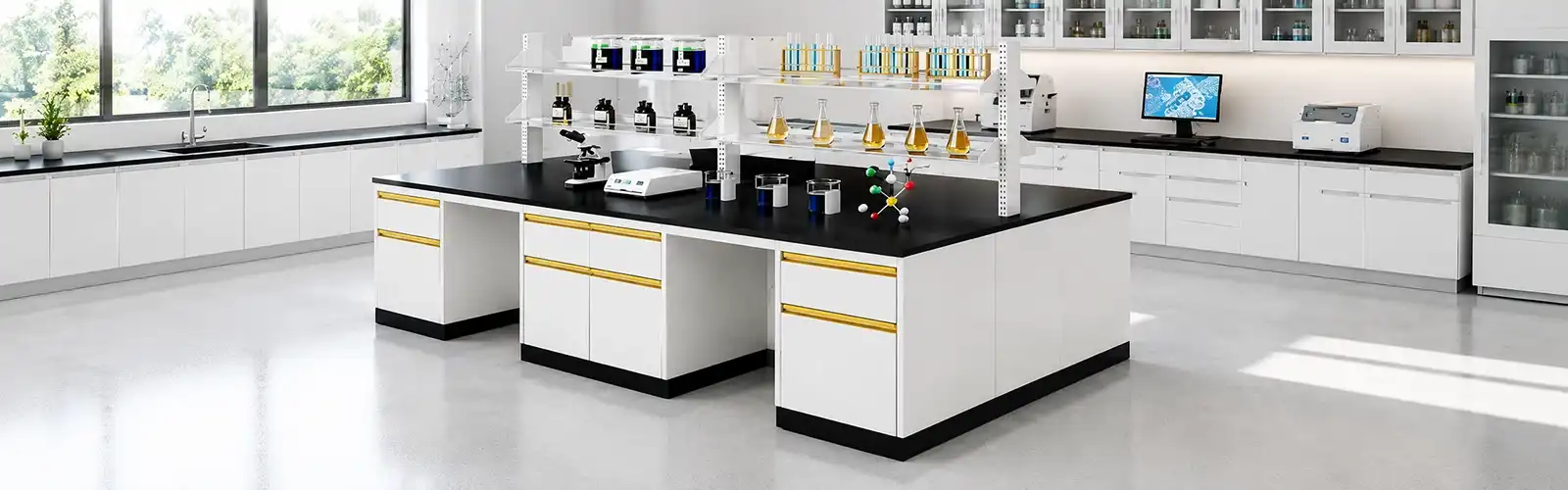
Comparing Ceramic Lab Benches with Alternative Materials: Making an Informed Choice
Material Performance Analysis
Knowing how different materials for worksurfaces work in the lab helps buying teams match goods to the needs of specific applications. It looks at more than just changes in costs; it also looks at total lifecycle value.
Ceramic vs. Epoxy Resin: Epoxy resin blend surfaces are most common in labs because they are relatively cheap and work well for most tasks. Because they are made up of different parts, these materials can handle normal chemical contact and can also withstand some pressure. Epoxy surfaces, on the other hand, get soft at temperatures above 300°C and can separate if they are exposed to strong oxidizing agents for a long time. Ceramic worktops don't break down even after years of being in contact with harsh chemicals and can withstand temperatures up to 1000°C. The downside is that epoxy is brittle; it absorbs impact energy that could break ceramic, but this problem can be lessened by installing it correctly and making sure the substrate is properly supported.
Ceramic vs. Stainless Steel: When it comes to choosing between ceramic and stainless steel, many laboratory planners like stainless steel because it is easy to clean and looks professional. When properly cared for, the material is resistant to most poisons and has antimicrobial qualities that are useful in biological laboratories. But stainless steel needs to be watched over all the time to keep it from rusting, especially in places with a lot of salt or strong acids. Scratching the surface makes cracks that hold dirt and help rusting happen faster. Ceramic surfaces get rid of these upkeep problems and are better at resisting chemicals, but they cost more up front and can't be changed in the field as easily.
Phenolic and Wooden Alternatives: Phenolic resin compact laminates are affordable options for educational and general-use labs. These engineered wood products are chemically resistant enough for everyday use and mild chemicals. But they soak up water over time, swell where they're cut, and break down when exposed to chemicals for a long time. The least expensive option is wooden benches coated with cement or polyurethane. These benches should only be used in dry labs or classrooms that don't use a lot of chemicals.
Matching Materials to Laboratory Specialization
Ceramic worktops are the best choice for chemical labs that use corrosive chemicals, strong acids, and reactive compounds. The material is resistant to all chemicals, so it doesn't get damaged on the surface like other materials do. This saves money on repair costs and keeps studies from getting contaminated. Biological and microbiological labs like the surface because it is non-porous, easy to sterilize, and meets strict biosafety standards. Analytical laboratories that do trace analysis, like how the inert nature keeps samples from getting contaminated by surface leaching.
Key Factors to Evaluate When Choosing a Laboratory Workbench
Assessing Your Laboratory's Specific Requirements
To be successful at buying, you must first be honest about what your lab needs to run. Facilities for high-throughput testing need different solutions than research labs that only do experiments once in a while. Think about how often and how strongly chemicals are used, as well as the types of reagents and whether worksurfaces will be affected by heat from hot plates or Bunsen burners. Laboratories that do trace metal analysis need tables that won't get dirty, and microbial facilities put a high value on being able to sterilise them.
Critical Product Specifications
Choosing the right material for the worksurface is only one of many factors that affect how happy you are with your laboratory furniture purchases in the long run. When benches have to hold big analytical tools or a lot of different pieces of equipment, their load ability is very important. A good lab bench setup should be able to hold 150 to 200 kg per linear meter of load without bowing. Stability in the structure stops vibrations from spreading, which can mess up sensitive balances and microscopy work.
Dimensional accuracy and planarity affect how well equipment is installed and how well experiments can be repeated. Laser-leveled ceramic surfaces stay flat within ±1mm over 2000mm spans, so instruments don't move around while they're sitting. Modular design systems let you change the way they are set up as the needs of the lab change. Bench modules made from standard parts can be moved, expanded, or reconfigured without having to be replaced completely. This protects your investment as research priorities change.
Evaluating Supplier Capabilities
Your relationship with the company that sells you lab furniture goes far beyond the buy. During the planning phase, experienced providers offer technical advice that helps improve plans for safety and improved workflow. Because they know about government rules and regulations like SEFA standards, OSHA guidelines, and industry-specific licenses, they can make sure that your work follows all the rules.
Dependability in delivery has a direct effect on meeting project deadlines and staying within budget. When you work with suppliers who have established logistics networks and reasonable lead times for ceramic Lab Benches, you can avoid the costly delays that throw off schedules for building labs. Installation support services make things easier for your building's team, especially when they have to put together complex systems that need to be put together carefully. Full warranty terms and quick after-sales service show that the supplier trusts the quality of the product and protect your investment.
Procurement Guide: How to Buy Laboratory Workbenches that Maximize Value?
Understanding Price Structures and Value Drivers
The price of a laboratory desk depends on more than just the cost of the elements. The most affordable options are standard setups using stock parts. On the other hand, custom shapes, specialized work surface materials, and built-in features cost more. Procurement workers should know the difference between unit cost and total cost of ownership when they look at quotes. At first, a ceramic worktop system might cost 40–60% more than epoxy resin options, but it usually has better lifetime economics because it lasts longer and doesn't need to be replaced as often.
Customization options have a big effect on both price and how well something works. Worktop thickness affects how long it lasts and how well it handles heat. For most uses, a 12.7 mm ceramic surface is enough, but for specialised high-heat work, thicker materials may be needed. Cabinet layouts should match the amount of space needed so that you don't have to pay for space that isn't being used. Adding electricity services, gas fixtures, and washbasin integration makes things easier, but it also makes things more complicated and costs more.
Sourcing Strategies for Quality Laboratory Furniture
We've learned that careful supplier screening goes beyond just comparing prices for successful procurement. Look for manufacturers that have a history of making good laboratory furniture, as shown by installations you can look at. Standards like ISO 9001 for quality management, ISO 14001 for environmental management, and safety standards for particular products show that a company can make things. Our factories in China make goods that meet foreign standards, such as the CE marking and SEFA 8 chemical resistance requirements, and sell them all over the world.
Modular Systems: The Smart Investment
When looking at different types of lab furniture, flexible design has clear benefits for teams that have to manage funds and deadlines. Our steel laboratory bench systems are built in a way that makes them easier to set up and make changes to in the future. When compared to fully built units, benches ship in small boxes that cut freight costs by up to 35%. This level of efficiency is especially important for big projects where transport costs a lot of money. The modular approach is useful for more than just logistics. Standardized cabinet modules come in different sizes for our bench systems. Single cabinets are 470 mm wide, double cabinets are 900 mm wide and specialised washbasin units are 1440 mm wide.
For our steel structure construction, we use 1.00mm cold-rolled steel plate that has been anti-corrosion treated in several steps. Acid washing gets rid of dirt on the metal's surface, phosphating helps the coating stick, and electrostatic spraying with epoxy resin makes a smooth, chemically-resistant finish. This treatment sequence makes sure that the material is resistant to acids and bases, which is important for labs, and also protects against fire and moisture. All-steel construction gets rid of the need for wooden parts that get wet, hold germs, and don't meet safety standards in many laboratory codes.
Worksurface Selection and Customization
Our lab benches have worksurfaces that can be adjusted to fit the needs of each application. For everyday lab work, the basic solid-core physical board works very well for multiple tasks. We offer ceramic worktop upgrades for places that need the highest level of chemical and thermal resistance. The ceramic surface is 12.7 mm thick, which is the required thickness, and it is very scratch- and wear-resistant. Customizing colors lets you match them to the look of the building and the way departments are organized. Custom sizing lets you make sure that your lab furniture fits the space instead of having to make adjustments to fit standard goods.
Timeline and Logistics Considerations
Setting realistic goals for delivery stops project delays and costs from going over budget. Our normal production and delivery time ranges from 20 to 40 days, but this can change based on the complexity of the order and any customization needs. This schedule includes making the product, checking its quality, and sending it from another country to the United States. Throughout the production cycle, we keep in touch with everyone clearly and provide project managers with updates on important milestones that help them coordinate with other construction activities.
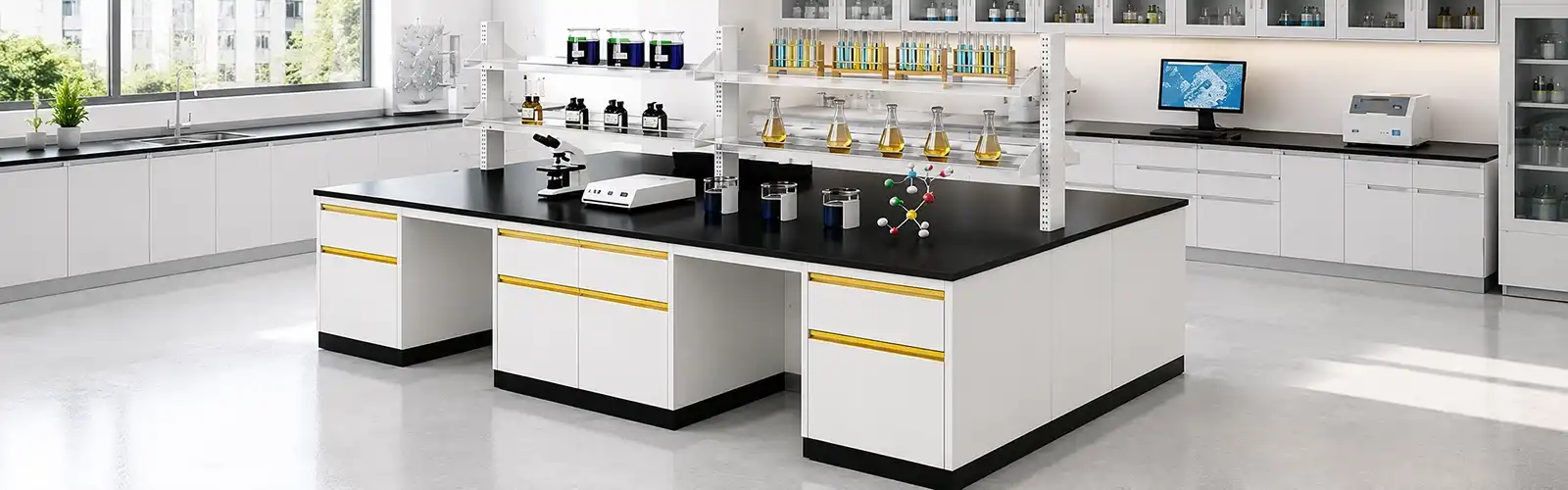
Real-World Performance: Insights from Laboratory Installations
Durability in Demanding Applications
Some of the worst conditions for lab furniture can be found in chemical manufacturing labs. Every day, the quality control center we provided works with strong bases, concentrated acids, and organic liquids. The ceramic worksurfaces have not been chemically etched, stained, or structurally broken down after five years of continuous use. The lab manager said that work surfaces on similar epoxy resin benches in a nearby area had to be replaced after only three years because chemicals had caused them to peel off and change color. This real-life comparison shows that ceramic surfaces have better lifecycle value even though they cost more at first.
Maintenance Efficiency and User Satisfaction
Pharmaceutical labs that follow GMP rules have to keep records of their repair and cleaning tasks. The people in charge of labs always say that ceramic work surfaces and ceramic lab benches make following these rules easier. The smooth, non-porous surface keeps reagents and biological contaminants from sticking to it, so normal lab chemicals can be used to clean it effectively. Porous materials need special cleaning methods, but ceramic surfaces can be proven clean by wiping them down regularly, which saves time and money on paperwork. User satisfaction surveys from our installations show that both functionality and looks get high marks.
Conclusion
Value in lab equipment goes beyond just the price of the item itself. It also includes how long it lasts, how often it needs to be maintained, and how well it works over many years. Ceramic worktop systems have clear benefits in chemical protection, thermal performance, and surface life that make them worth the extra cost in laboratories with rough working conditions. Modern labs need strong structures that can be moved around easily. Steel framework construction with a modular design gives them both. By matching furniture specifications to what the lab actually needs instead of just going with the cheapest option, procurement managers can make sure that their investments will work well for their companies for the life of the building.
FAQ
How does ceramic compare to epoxy resin in terms of lifespan?
Even in places with a lot of chemicals, ceramic lab surfaces usually keep working well for 20 to 25 years without needing to be refinished or replaced. Epoxy resin worksurfaces usually need to be replaced every 8 to 12 years if they are used in the same way and don't get delaminated, etched, or worn down. Ceramic materials often make up for their higher original costs by not needing to be replaced as often and requiring less lab downtime for worksurface repair projects.
What maintenance do ceramic laboratory benches require?
Standard laboratory cleansers are all that's needed to clean ceramic worktops on a regular basis. The vitrified, non-porous surface doesn't let chemicals or bacteria get through, so it doesn't need to be refinished as often as porous materials do. You shouldn't use ceramic lab benches as cutting surfaces or hit them very hard with objects, but their high hardness means they won't get damaged by regular lab tasks like grinding samples and getting reagents ready.
Which suppliers are recommended for bulk laboratory furniture procurement?
Look for companies that have a lot of different kinds of certifications, like ISO 9001 quality management, product-specific safety certifications, and proof that they have worked on big lab projects before. Suppliers should offer technical advice, shipping times that are reasonable, and help after the sale. Companies that can make a lot of things and have engineers on staff can handle complicated projects and keep quality standards high for the hundreds or thousands of furniture units that are needed for multi-laboratory facilities.
Partner with Uken for Premium Laboratory Workbench Solutions
Luoyang Uken Laboratory Equipment Co., Ltd. has been making specialised equipment for 30 years and has a deep understanding of what labs around the world need. Our 100-person research team and 30,000-square-meter production center offer full laboratory furniture options that are backed by ISO 9001, ISO 14001, ISO 45001, and CE certifications. Our speciality is ceramic lab bench systems that offer both high performance and usefulness for use in pharmaceutical, biotechnology, educational, and industry labs. Our steel modular bench systems come with ceramic or physicochemical worksurfaces that can be changed, cabinets that can be set up in a variety of ways, and fitting help that makes big jobs easier. Email Our Team at ceo@ukenlab.com to talk about your specific needs and receive quotations tailored to your project.
References
1. Scientific Equipment and Furniture Association (SEFA). "SEFA 8 Laboratory Furniture Standard: Recommended Practices for Laboratory Work Surface Materials. "2019 Edition.
2. American National Standards Institute (ANSI). "Laboratory Furniture—Test Methods and Performance Requirements for Laboratory Casework and Worksurfaces." ANSI/SEFA 8-2016.
3. National Research Council. "Prudent Pr" 2019s in the Laboratory: Handling and Management of Chemical Hazards—Updated Edition. "National Academies Press, 2011.
4. International Organization for Standardization. "Laboratory Furniture—Cabinets for Chemicals and Laboratory Equipment—Requirements and Test Methods." ISO 13150:2017.
5. Occupational Safety and Health Administration (OSHA). "Laboratory Safety Guidance." OSHA Publication 3404-11R, United States Department of Labor, 2018.
6. Journal of Chemical Health and Safety. "Comparative Analysis of Laboratory Worksurface Materials: Chemical Resistance and Lifecycle Cost Evaluation. "American Chemical Society Division of Chemical Health and Safety, Vol. 26, Issue 4, 2019.

CUSTOMER REVIEWS
What Our Customers Say