



Medical Lab Bench Buying Guide: Key Features to Consider
When you're investing in laboratory infrastructure, choosing the right medical lab bench is about more than just finding a work surface—it's about creating a foundation for safe, efficient, and compliant diagnostic operations. A medical lab bench specifically engineered for clinical environments addresses biosafety protocols, chemical resistance, and the ergonomic realities of daily specimen processing. As someone who's navigated procurement decisions for laboratory facilities, I understand the pressure you face: balancing immediate budget constraints with long-term durability and ensuring your investment meets evolving regulatory standards while supporting technician productivity. This guide walks you through the essential considerations that separate a standard furniture purchase from a strategic asset for your medical laboratory.
Understanding Medical Lab Benches: Basics and Benefits
What Makes Medical Lab Benches Different?
The conditions in general study areas are very different from those in clinical and diagnostic laboratories. Medical Lab Benches are designed to handle biological materials, strong disinfectants, and constant work demands. Unlike most lab furniture, these benches have antimicrobial finishes on the surfaces, seamless construction that keeps germs from hiding, and materials that can withstand daily exposure to hospital-grade disinfectants like 10% bleach or hydrogen peroxide vapor. This difference is important because standard benches break down quickly in medical settings, which can lead to expensive replacement costs and possible failures to comply during inspections.
Core Benefits for Procurement Decision-Makers
Cost-per-use efficiency is directly linked to how long something lasts. High-quality medical lab benches made from 1.00 mm cold-rolled steel and coated with epoxy resin can handle the harsh chemicals that are often used in pathology and microbiology. By choosing materials made for medical-grade performance, I've seen facilities cut the number of times they have to replace benches from every 5–7 years to 15 years or more. An often-overlooked cost of long microscopy sessions or hand pipetting is worker tiredness and musculoskeletal accidents. Ergonomic design takes this into account. Workbench heights that are the right size—usually 830 mm for standing work—increase productivity and lower the number of worker's compensation claims. CAP and CLIA standards must be followed; benches that meet these standards speed up the approval process and keep expensive repair projects from having to be done.
Common Configuration Options
It's easy to change the layout of a lab with modular systems. Single cabinet units (470x520x830mm) are good for individual workstations, while double cabinet setups (900x520x830mm) offer a shared area for diagnostics that can be done by more than one person. Benches with built-in water tanks (1440x720x830mm) meet the needs of histology and cytology labs that need to always have access to controlled water supplies. The choice between "knocked-down" and "fully assembled" affects both shipping costs and installation times, which is an important thing to think about for healthcare networks with multiple sites that are renovating labs at the same time.
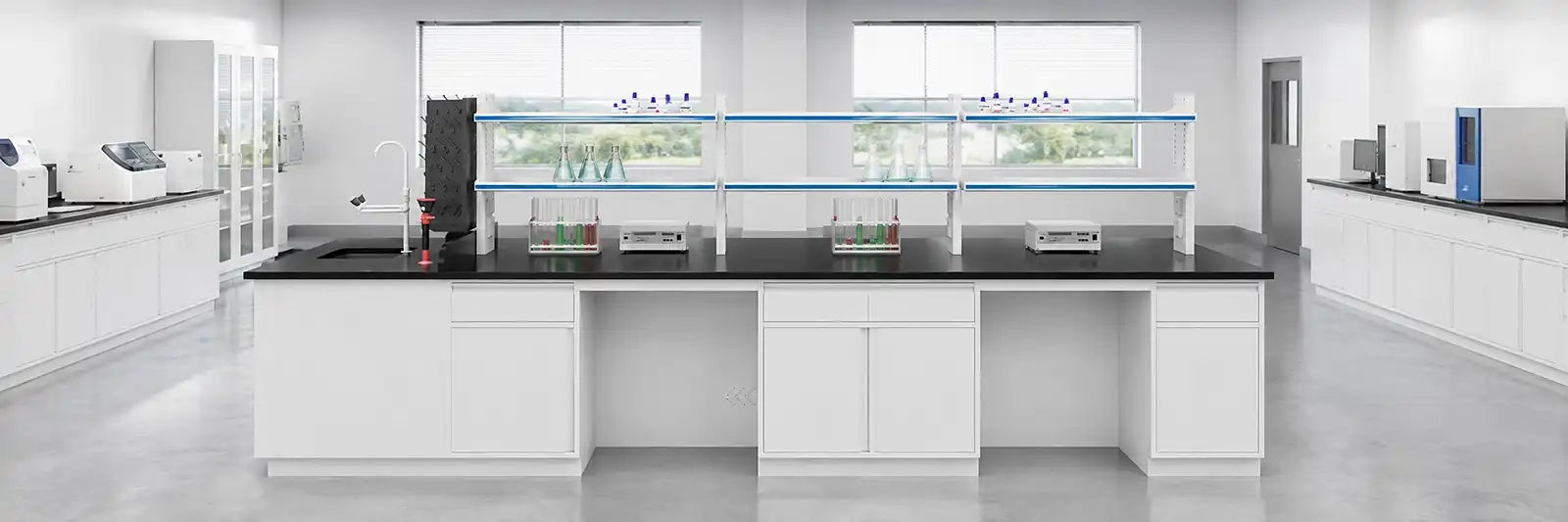
Essential Features to Consider When Choosing a Medical Lab Bench
Material Selection and Performance Characteristics
The choice between stainless steel and epoxy-coated steel dominates procurement discussions. Due to its antibacterial properties and non-rusting nature, stainless steel is ideal for cleanrooms and GMP facilities. However, acid-washed, phosphated, and electrostatically sprayed cold-rolled steel is cheaper and chemically resistant. Acids, alkalis, and organic solvents cannot damage the epoxy layer's smooth, seamless surface. Medical labs that handle blood chemistry and molecular diagnostics solvents need this. The medical field uses wood composite materials less because they absorb water, allow bacteria to proliferate, and don't function well with aggressive cleaning methods. Ensure vendors' materials have ISO 9001 and ISO 14001 certifications for quality and environmental standards. These demonstrate consistent material production.
Dimensional and Ergonomic Considerations
How well and safely technicians work depends on the work area size. A 520 mm bench depth fits most diagnostic equipment and allows for cross-work area reach. Consider your floor area and workstyle while choosing width. Island benches should be 900mm or wider for two-way access, whereas wall-mounted units can be 470mm in small spaces. Standardising the height at 830mm follows standing work ergonomics research, but adjustable-height solutions can be advantageous. Counter space near built-in sinks must be planned. Histology requires a lot of horizontal room for slide preparation, while chemistry labs need sinks without sacrificing equipment space.
Safety and Compliance Features
Chemical resistance is a set of qualities that define how effectively something resists different chemicals. Biochemistry and tissue stain labs need epoxy resin surfaces that can withstand strong acids and bases without etching or discoloring. Many research and pharmaceutical facilities employ flammable solvents, therefore fire resistance is crucial. Steel with fireproof coatings satisfies NFPA criteria without laminate or wood fire concerns. In humid environments like molecular diagnostics suites with water baths and incubators, moisture and mildew resistance maintains robust structures. The seamless surface prevents fluids from entering, lowering load-bearing capability or creating hidden contamination sources. Antimicrobial surface treatments reduce fomite transmission, a key element in preventing healthcare-associated illnesses.
Maintenance and Longevity Planning
The rigorous cleaning methods used on medical lab benches would kill conventional furniture in months. Surfaces must resist streaking, clouding, and losing shape after daily wiping with phenolic disinfectants, quaternary ammonium compounds, and sodium hypochlorite solutions. Professional standards in customer testing facilities require quality epoxy coatings that don't discolour and last for years. How easy to clean affects labour expenses. Smooth, non-porous surfaces make cleaning between cases fast, reducing return delays. Regular maintenance should involve examining cabinet integrity every three months, worktop quality once a year, and coating hole repair immediately to prevent corrosion. Bench from reputed manufacturers can last 15 to 20 years if properly maintained, a substantial savings over inferior versions that need to be replaced every 5 to 7 years.
Comparing Medical Lab Bench Options: Making the Right Choice
Material Performance: Steel versus Alternatives
Comparing steel building materials requires knowledge of its treatments. Thickened cold-rolled steel plates that fulfill national production standards are more stable and load-bearing. For benches with hundreds of pounds of analytical balances, centrifuges, or automated diagnostic platforms, this is crucial. Acid washing removes mill scale, phosphating resists rust, and electrostatic powder coating provides a chemical shield that outperforms painting or laminated surfaces. This differs from wooden benches, which absorb spills, retain germs in their grain systems, and degrade swiftly when disinfected. After repeated chemical exposure and moisture changes, high-pressure laminates delaminate at the seams and sides, despite their lower cost.
Fixed versus Modular System Trade-offs
The modular design approach handles one of the greatest lab procurement problems: adapting to changing workflow needs. Because modular benches are easy to assemble and disassemble, facilities can change layouts when testing needs change or new equipment arrives without buying new furniture. I worked in hospital labs that reused modular benches across three floor designs for ten years. Thus, the initial expenditure was dispersed across multiple useful versions. This is different from set systems that become worthless when lab functions change and must be discarded and replaced, which is expensive. The minimal packaging of knock-down modular systems makes international shipping cheaper. Buying from makers with 20–40 day delivery times requires consideration of this. Modular systems from reputable manufacturers have simple connecting mechanisms that need less on-site labor than custom-built fixed installations.
Storage Integration and Workflow Optimization
Cabinet layout under work surfaces influences material cost and utilization. Benches with built-in storage, such as single pull cabinets (470 mm width), double cabinets (900 mm width), or specialty three-drawer units, let technicians find frequently used supplies faster and reduce movement. Open framework designs without less storage space make cleaning easier, spills and pollution easier to observe, and fit a variety of equipment footprints. The choice depends on a thorough process study. High-volume clinical chemistry laboratories benefit from reagent storage at the point-of-use, while molecular diagnostics suites prefer open design to place large air-flow-requiring equipment. Custom sizing based on detailed facility plans maximizes space, especially when furniture is added after the fact and the building's construction limits dimensions.
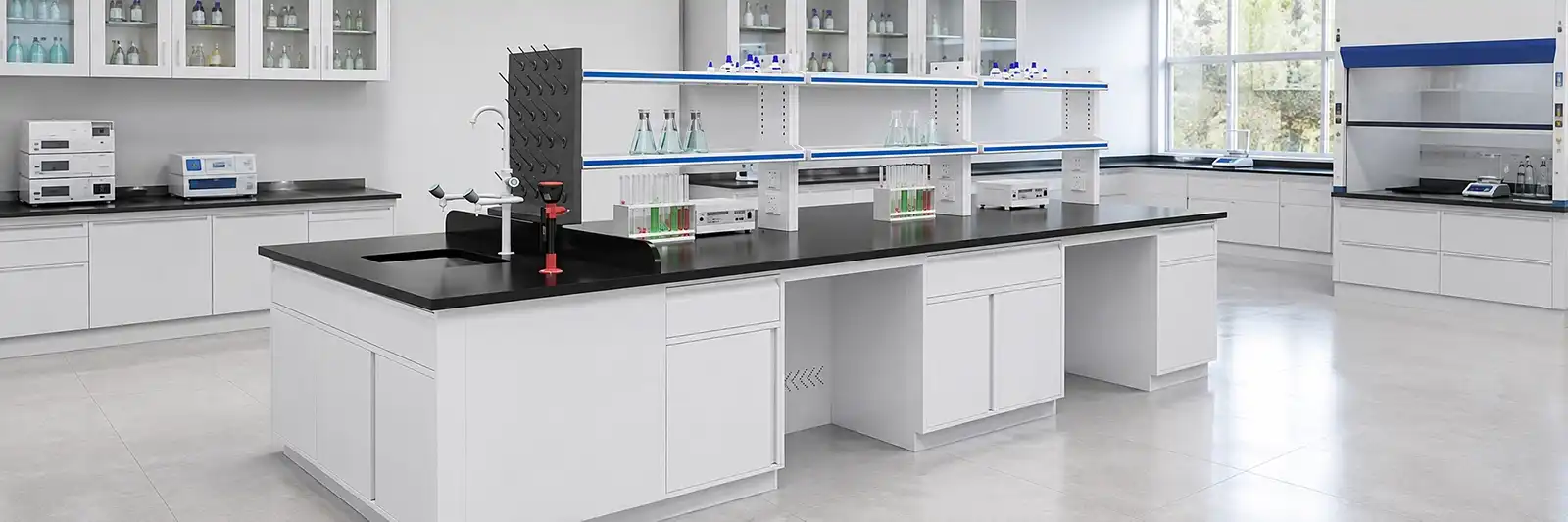
Practical Procurement Guide for Medical Lab Benches
Identifying Reliable Manufacturing Partners
When buying lab furniture from around the world, you have to look at more than just the price when evaluating manufacturers. Production capacity is a good indicator. Facilities with dedicated engineering teams and manufacturing bases that are 30,000 square meters or more show that they have the infrastructure needed for consistent quality and on-time deliveries. Certification portfolios tell us a lot about how mature a manufacturing process is. For example, suppliers with ISO 9001 (quality management), ISO 14001 (environmental management), and ISO 45001 (occupational health and safety) certifications have put in place systematic quality control that lowers the number of defects and warranty claims. Industry-specific certifications, such as the CE mark for the European market and the SEFA standard for scientific equipment furniture, show that a company knows how to make a certain product well instead of just being able to make anything. Ask for detailed information about the processes used to treat the surface. Reliable makers will give you specifics about covering thickness, curing temperatures, and bond testing instead of making general claims about "durable finishes."
Procurement Best Practices for B2B Transactions
Supplier audits, whether they are done online or in person, show things about manufacturing that aren't clear from sales literature. I suggest asking for clear production timelines that include lead times for standard configurations versus custom configurations and looking into how manufacturers handle design changes in the middle of a project. OEM and ODM skills show that a company is flexible for situations where it needs branded solutions or specific requirements. Pricing should be clear about more than just unit costs. It should also include all landing costs, such as foreign shipping, customs taxes, installation labor, and any materials needed for assembly. When it comes to multi-site healthcare networks or lab construction contractors, wholesale pricing structures should be negotiated. Making volume commitments over several fiscal years can often lead to 15–25% cost savings compared to buying on a project-by-project basis. Payment terms and financing choices vary a lot from one seller to the next. Manufacturers who offer net-30 or net-60 terms show that they are financially stable and have business models that focus on customers.
Logistics and Installation Considerations
It's more complicated to move medical lab benches internationally than regular freight. When you use knock-down packing, the volume of the containers is greatly reduced. For example, modular benches can save you 40 to 60 percent on freight costs compared to fully built units. Transit times of 20 to 40 days from Asian manufacturers mean that projects need to be carefully planned, especially renovations that need to be finished by a certain date. Professional installation adds 10 to 15 percent to the total cost of the job, but it makes sure that everything is put together correctly and usually comes with a guarantee that isn't valid for do-it-yourself installs. Premium suppliers are set apart from commodity vendors by their after-sales support structures. These structures make sure that customers can get replacement parts, technical advice for reconfigurations, and quick communication channels. This way, small problems don't stop operations. Return policies and warranty terms should clearly cover problems with the product's construction, damage during shipping, and problems with how it works. Comprehensive warranties that last between 3 and 5 years show that the maker is confident in the product's durability.
Ensuring Long-Term Satisfaction with Your Medical Lab Bench
Maintenance Protocols for Extended Service Life
Setting up structured repair plans will protect your bench investment and make sure that you always meet lab safety standards. Cleaning every day with disinfectants allowed by the maker gets rid of biological and chemical leftovers without damaging surface coatings. Do not use rough cleaners or metal scrapers, as they leave tiny scratches where contaminants can gather. Cabinet door alignment, drawer slide function, and any signs of coating compromise at high-wear points like front edges should be checked in detail every three months. Professional inspections by facilities management teams once a year can find problems with the structure before they become major problems. This way, repairs can be planned for times when the building is not being used, rather than when there is an emergency. Maintaining records of maintenance tasks creates audit trails that accreditation inspectors value and helps find problems that keep happening that may require setup changes or extra safety measures.
Ergonomic Evaluation and Workforce Health
Continuous ergonomic assessment stops joint problems from getting worse over time, which would otherwise lead to higher workers' compensation costs and less work getting done in the lab. Watch how technicians stand while doing typical tasks. If they are stooping too much, reaching too far, or having awkward wrist angles while pipetting, it means that their benches are not set up correctly. Some facilities benefit from having adjustable-height bench sections in work areas with a variety of jobs. This way, techs can switch between sitting and standing during their shifts. If you plan your space well, you can keep techs from working in tight spaces where they are more likely to bump into sharps containers or chemical bottles. Lighting is an important part of furniture design that is often overlooked, but it has a big effect on both work quality and eye strain. Benches should have task lighting that doesn't cast shadows or glare on work surfaces.
Staying Current with Regulatory Requirements
Standards for labs are always changing, and furniture that met the requirements when it was installed may need to be upgraded years later. If you keep an eye on changes to CLIA rules, CAP checklists, and OSHA lab standards, you can make updates on time instead of having to react quickly to a problem. Some changes to the rules affect what kinds of surfaces can be used, how they should be cleaned, or what kinds of paperwork should be kept for furniture care. Labs can adapt to new standards without having to buy all new furniture by building relationships with manufacturers that offer technical updates and retrofit solutions. Procurement professionals can learn about new best practices before they become required by law by joining professional groups like CLMA or going to laboratory design conferences.
Case Insights from Successful Implementations
A group of hospitals in the area recently combined five satellite labs into one main facility. For the 12,000-square-foot space, they chose modular steel benches with epoxy coatings. The modular design let the installation happen in stages so that it could be coordinated with moving equipment, and the strong construction could handle large automated analysers without the need for reinforced flooring. After two years, upkeep logs showed that the coating had not failed, even though it was used 24 hours a day, seven days a week, and was cleaned very thoroughly. This proved that the choice of material was the right one. When setting up a new GMP-compliant testing center for a pharmaceutical contract research organization, they made sure that the chairs had built-in water tanks and smooth surfaces to meet FDA inspection standards. The ability to customize, which let colors match the building's logo (any unique color was accepted), met both practical and aesthetic needs. A university medical school that was updating its teaching laboratories chose knock-down configurations to save money on shipping costs across multiple building deliveries. They were able to save 35% on freight costs compared to assembled alternatives while still getting the same structural performance as welded units.
Conclusion
When choosing medical lab benches, you have to balance the need to buy them right away with the need to keep them running for a long time. For medical settings, it's important that the buildings are well-built with cold-rolled steel coated with epoxy, have a flexible design that lets the plan be changed easily, and have strict surface treatments that make them resistant to chemicals. Buying certified, properly defined benches pays off in the form of longer service life, lower upkeep costs, better technician output, and compliance with regulations. For procurement to go well, suppliers need to be carefully looked at, the total cost of the project needs to be calculated in addition to the initial price, and installation procedures and ongoing upkeep need to be carefully planned.
FAQ
What surface material offers the best chemical resistance for medical applications?
When electrostatically sprayed onto cold-rolled steel, epoxy resin coatings offer excellent resistance to acids, alkalis, and organic solvents that are commonly found in clinical laboratories. Hospital-grade disinfectants like sodium hypochlorite and quaternary ammonium chemicals can be used every day on this surface treatment, and it won't break down, streak, or change color. The smooth, non-porous surface stops liquids from getting in and microbes from taking over, meeting both biosafety and sturdiness standards. While stainless steel and epoxy-coated steel both work well, epoxy-coated steel is cheaper and more resistant to chemicals, so it is the better choice for places that want to save money without sacrificing quality.
How do modular benches compare to fixed installations for long-term value?
Because they can be changed to fit different workflows and equipment arrangements, modular lab benches offer better long-term value. Because it is so easy to put together and take apart, facilities can change layouts without having to buy new furniture when the number of tests changes or when new technology comes out. Modular systems also make it easier for healthcare networks to set up systems in multiple locations and cut down on shipping costs by using small, knock-down boxes. It's possible that fixed systems are slightly more rigid, but good flexible designs with fully welded frames offer the same load-bearing capacity and steadiness. A much better return on investment is achieved by medical lab benches that can be used in different lab areas over the course of their 15-year or longer lifespans.
What maintenance requirements should I plan for medical lab benches?
When they are put and defined correctly, good medical lab benches don't need much upkeep. Using disinfectants allowed by the maker to clean every day gets rid of biological and chemical leftovers without hurting epoxy coatings. Cabinet alignment, drawer functionality, and the stability of the covering at high-wear areas should be checked every three months. Professional inspections done once a year find potential structural problems before they become major problems. In contrast to wood or plastic surfaces that break down when cleaned harshly, epoxy-coated steel keeps its performance over decades with this simple care plan. Writing down what was cleaned and inspected creates audit trails that are useful for reviewing a lab's accreditation and helps find long-term performance patterns.

Partner with Uken for Your Medical Lab Bench Requirements
That's how Luoyang Youken Laboratory Equipment Co., Ltd. got its name: by making lab furniture that solves the problems that purchasing managers actually face every day. Our 100 professional engineers and 30,000-square-meter production center are experts at making medical lab benches that meet the strict needs of research, clinical tests, and pharmaceutical production. If you choose Uken as your medical lab bench provider, you can choose from fully customisable modular designs, strong construction made of 1.00mm cold-rolled steel with antimicrobial epoxy coats, and full certifications such as CE, ISO 9001, ISO 14001, and ISO 45001. We know that international purchasing is more complicated than just looking at product specs. Our knock-down packaging cuts your shipping costs by a large amount, our 20–40 day delivery times help you plan your projects with confidence, and our direct communication channels make sure that your questions get to the right people quickly. Whether you're setting up a new facility or improving the infrastructure you already have, our technical team can help you improve the layout and make the specifications more precise. Get in touch with us at ceo@ukenlab.com to talk about how our medical lab bench options can meet your needs and give your project the quality, longevity, and value it needs.
References
1. Clinical and Laboratory Standards Institute. (2019). Laboratory Design: Approved Guideline - Third Edition. CLSI document QMS04-A3. Wayne, PA: Clinical and Laboratory Standards Institute.
2. American Society for Healthcare Engineering. (2017). Guidelines for Design and Construction of Hospital and Outpatient Facilities: Laboratory Design Considerations. Chicago, IL: American Hospital Association.
3. Scientific Equipment and Furniture Association. (2016). SEFA 8: Laboratory Furniture Standard - Recommended Practices. Hilton Head Island, SC: SEFA.
4. Occupational Safety and Health Administration. (2020). Laboratories: OSHA Safety and Health Topics. Washington, DC: U.S. Department of Labor.
5. College of American Pathologists. (2021). Laboratory General Checklist: Facilities and Safety Standards. Northfield, IL: College of American Pathologists.
6. International Organization for Standardization. (2018). ISO 14644: Cleanrooms and Associated Controlled Environments - Part 4: Design, Construction and Start-up. Geneva, Switzerland: ISO.

CUSTOMER REVIEWS
What Our Customers Say