



Elements of Science: What are the elements of a great lab worktable?
A good laboratory workbench is the most important part of any successful study center. When we talk about what makes a chemistry lab working table truly exceptional, we're talking about a workspace that was designed to handle harsh chemicals, big equipment, and daily use without affecting safety or performance. Chemical-resistant surfaces (usually epoxy resin or phenolic resin) that don't break down when exposed to acids or solvents are important. So are a strong steel frame structure that can hold heavy analytical instruments, a modular design that lets the lab be set up in different ways, and safety features like fire-resistant materials and spill containment that meet SEFA and OSHA standards.
Understanding the Core Components of a Chemistry Lab Working Table
What Defines a Chemistry Lab Working Table
A chemistry lab working table is more than just a piece of furniture; it's also a safety system that was carefully designed. In contrast to regular office desks or industrial workbenches, these tables have to be able to handle being exposed to harsh chemicals, high temperatures, and heavy machines like centrifuges and HPLC systems every day. The main difference is the building materials they use and the way they create things, which puts chemical inertness and structural stability ahead of looks.
Material Selection: The Foundation of Durability
The tops of modern lab tables are usually made of epoxy resin or phenolic resin. Each has its own benefits. Epoxy glue is very good at withstanding heat and makes a solid, non-porous covering that keeps liquids from getting through. The price of phenolic resin is more reasonable, but it still has great impact resistance and moisture resistance. The way the frame is put together is also very important. Usually, 1.00 mm thick cold-rolled steel pieces give the frame the strength it needs while also letting the design be flexible.
Standard Dimensions and Ergonomic Considerations
Table heights between 850 and 900 mm are recommended by industry standards for standing work and between 750 and 780 mm for sitting work. Depending on the use, the width options range from 470 mm for single-cabinet units to 1440 mm for multi-user workspaces. The depth is usually between 520 and 720 mm, which makes the area accessible while also meeting the needs for placing equipment. These measurements aren't made up on the spot; they come from decades of ergonomic study that tried to keep workers from getting tired and hurt on the job.
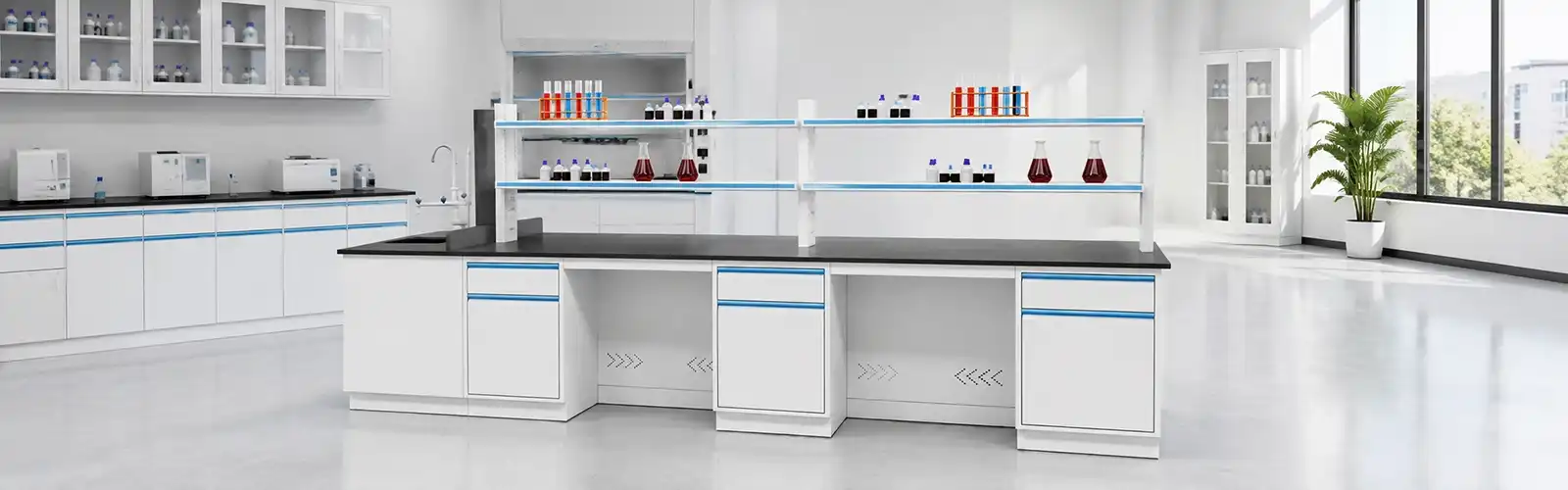
Key Elements That Define a Great Chemistry Lab Working Table
Chemical Resistance of a Chemistry Lab Working Table
Acids, bases, organic solvents, and reactive agents are always attacking Lab Benches and worktables in chemistry labs. Electrostatic spraying is used to put an epoxy powder covering on a good bench, which forms a 70–80 micron protected layer. This layer has to pass strict tests, such as the SEFA 8-M standard, which leaves surfaces exposed to 49 different chemicals for 24 hours. A chemistry lab working table that meets this standard can handle strong sulfuric, nitric, and hydrochloric acids without losing much of their surface.
Before buying a lab bench system, sourcing teams should know how their building is likely to be exposed to chemicals. Here are the main benefits of the information that you should think about:
- Epoxy resin surfaces can handle sudden changes in temperature and have a smooth design that doesn't leave gaps where contamination could hide. This makes them perfect for pharmaceutical production and other high-purity uses
- Phenolic resin countertops are great for places like schools and labs where physical sturdiness is just as important as chemical inertness because they are very resistant to contact and naturally don't catch fire
- Ceramic tops are the best way to protect against heat when using Bunsen flames or hot plates, but they are more expensive and can't handle impacts as well
- Solid-core physical and chemical boards offer balanced performance across a number of factors. They are also reasonably priced and have good chemical protection for most lab uses
These material choices have a direct effect on long-term running costs because surfaces that need to be replaced often use up upkeep funds and slow down work processes. We've seen places cut down on the number of times they have to replace furniture by 40% just by matching the material specs to how it is actually used instead of choosing based on the price at first.
Safety Features and Regulatory Compliance
Professional-grade lab furniture is different from basic workbenches because it has safety features built in. Designs that work well have spill containment sides that keep liquids from falling to the ground or equipment below. Grounding rules keep sensitive electronics safe from static electricity. Tables won't help a fire spread because they are made of fire-resistant materials that meet ASTM E84 Class A standards. These features aren't extras that can be chosen; they have to be there for sites that follow GMP guidelines or want to get ISO approval.
Structural Design: Modular Versus Fixed Configurations
When study needs change, modular frame systems can be used to meet those needs. Modular designs, on the other hand, let facilities change plans without having to replace whole desk groups. Lab managers can change the layout of rooms as research goals change or new equipment comes in thanks to a flexible frame design that makes installation easy. The trade-off is a little higher starting costs that are balanced out by the ability to change over time and lower renovation costs.
Overall frames that are fully welded give big machine setups the most rigidity possible. H-frame designs can hold more than 500 kg per linear meter, which is necessary for storing analytical scales or big mixing machines. Some load capacity is lost with C-frame options, but legroom and optimal access for sitting work are improved. When buying teams know about these structural choices, they can choose furniture that fits the needs of the business instead of going with generic options.
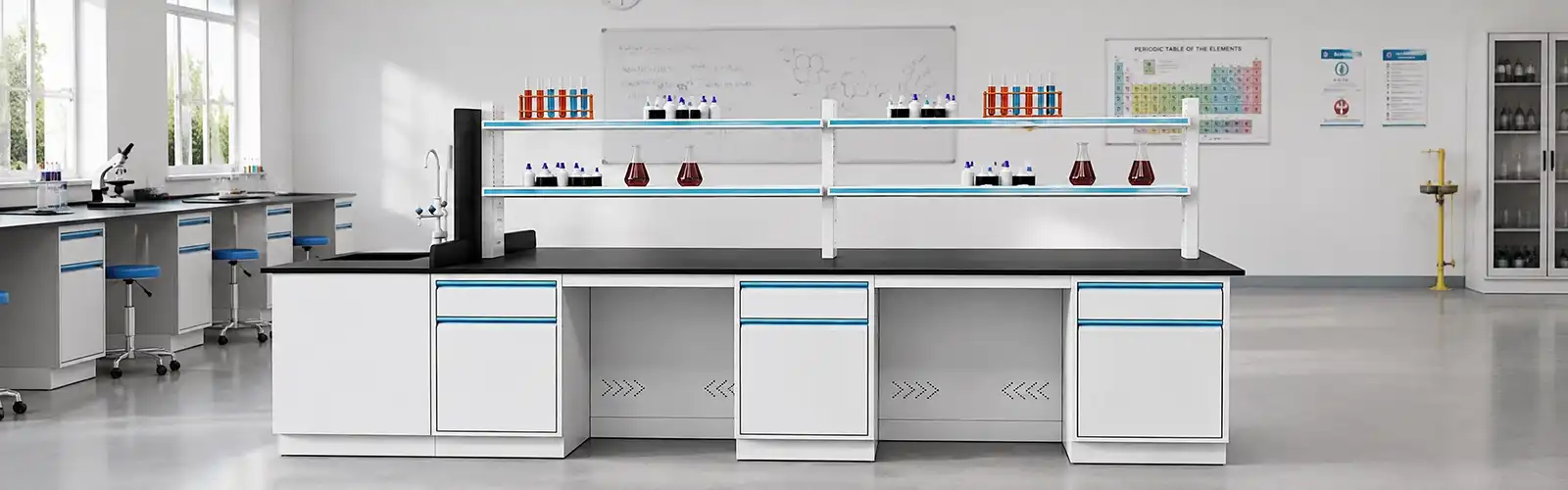
Selecting the Right Chemistry Lab Working Table for Your Facility
Matching Table Features to Application Requirements
Pharmaceutical study facilities need areas that are clean, sterile, and constructed in a way that keeps them from getting contaminated. Labs that test petrochemicals need thermal mass and sound dampening for tools that are sensitive. Schools put a lot of value on safety features like radius edges and plans that can be changed. Instead of following general advice, the Chemistry Lab Working Table you choose should be tailored to your individual needs.
When putting furniture into buildings that don't have a lot of room or have odd architectural features, the ability to customize the dimensions of the service becomes very important. For new building projects, standard sizes work well, but for retrofit setups, solutions need to be made to fit the specific needs. When manufacturers offer both standard setups and dimensional adjustments, they give buying teams the freedom they need.
Budget Considerations and Value Assessment
Buying lab furniture is a big investment that will have an effect on how well the business runs for 10 to 15 years. The initial buy price is important, but focusing only on that cost often leads to mistakes that cost a lot of money. Think about the math for total ownership: buying price plus maintenance costs plus number of replacements. A table that costs 30% more but lasts twice as long is a better deal.
Deals for buying in bulk for big projects can cut costs per unit by 15–25% while keeping quality the same across the whole facility. Getting volume pricing agreements is a good way to protect budgets against future price increases when planning multi-phase building or repair projects. Custom designs usually take 20 to 40 working days to deliver, so you need to plan ahead to make sure that the furniture arrives on time for the building schedule.
Supplier Evaluation Criteria
When looking for a trusted laboratory furniture manufacturer, you need to look at more than just the product specs. Certifications for manufacturing like ISO9001, ISO14001, and ISO45001 show that the company is responsible for quality control and the environment. The CE mark shows that the product meets European safety standards that apply to products sold all over the world. When it comes to meeting big orders, production capacity is important. Facilities with 30,000 square meters of manufacturing space and 100 professional engineers can handle complicated projects without affecting delivery dates.
The ability to provide technical help is what sets exceptional providers apart from average ones. Can they offer personalized help with designing a lab layout? Do they offer expert advice during the part of spec writing? Will they help teach your grounds team on how to do the installation? These services are very helpful for big jobs where it's hard to keep track of all the furniture, utilities, and tools.
Maintaining and Optimizing the Performance of Your Chemistry Lab Working Table
Routine Cleaning and Preventative Care
The surfaces of a chemistry lab's working table can be kept clean with surprisingly simple steps that are followed regularly. Spills should be cleaned up right away with water and light soap so that reagents don't stay on the surface for too long. Don't use rough cleaners or scrubbing pads on protected layers because they could damage them. Non-abrasive cream cleaners get rid of leftovers from tough spots on epoxy surfaces without scratching.
Inspections of structural parts on a regular basis are helpful. Check the frame parts for signs of loosening, especially where there is a lot of shaking. Check the stability of the coating and fix any chips or scratches right away to stop corrosion from spreading below the protected layer. Every year, leveling feet should be changed to account for floor settlement. This keeps precision equipment tuned.
Daily Safety Protocols and Inspection Checklists
Setting up organized inspection processes cuts down on long-term damage and makes sure that safety standards are met in the lab. Every day, you should check that the sides of the spill containment area are still in one piece, that the surfaces aren't showing any signs of chemical damage, and that the structural parts aren't moving when they're loaded. Inspections once a week can check the state of the coating, make sure the cabinet works, and make sure that the built-in services are working properly.
Documentation makes people responsible and lets people know early on when problems are starting to happen. Keeping inspection logs helps building managers find trends. For example, some work areas may wear out faster than others, which could mean that they need new materials or changes to the way they do things. This data-driven method to optimizing care makes furniture last longer and less often break down unexpectedly.
Upgrading and Retrofitting Existing Tables
Not all problems with speed need a whole new table. Strategic repair can make something last longer and work better for a lot less money than replacing it. Worn countertops can be resurfaced or changed, but the frame systems can still be used. By adding or removing cabinet pieces, storage layouts can be changed. Adding new sinks, taps, or electrical plugs can make utility integration better.
Before deciding if a repair is possible, you should look at the state of the frame. If the steel frame has a lot of rust or deformation, it's usually better to replace it than to fix it up. But tables with good frames but old surfaces or setups often benefit a lot from focused upgrades that delay capital expenditures while making the tables more useful.
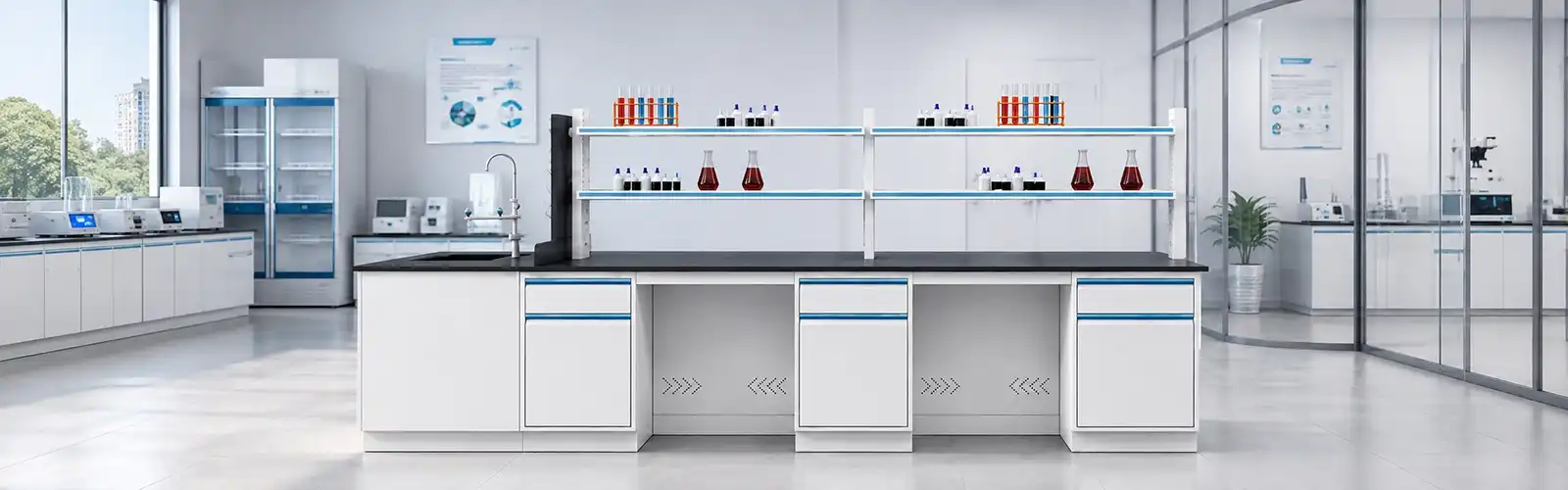
Conclusion
Chemical protection, structure performance, safety features, and long-term value must all be taken into account when choosing the right laboratory work surface. The best Chemistry Lab Working Table systems are made of epoxy-coated steel, can be configured in different ways, meet international standards, and can be changed easily by adding or removing modules. These features directly solve the problems that pharmaceutical companies, research institutions, and testing labs face in their daily work. Total ownership value should be more important than initial price when making procurement decisions. This means matching material specs to real chemical exposure profiles and making sure that the supplier's skills meet the size and timing of the project. With the right repair plans and smart upgrades, you can get more out of your investments and keep the facilities working even as study needs change.
FAQ
What makes epoxy resin superior for chemical laboratories?
Epoxy glue makes a solid, non-porous covering that acids, bases, and organic solvents can't get through. The material is better at handling temperature shock than others and keeps its shape when exposed to strong chemicals for long periods of time. This makes it perfect for places where drugs are made and high-frequency corrosion testing is done.
How do I choose between modular and fixed table designs?
Modular systems let centers that change their study needs or work on different types of projects easily rearrange their layout. For stable sites that house big analytical equipment, fixed structures can hold the most weight. Think about whether the most important thing for your application is layout flexibility or final stability.
What certifications should I require from suppliers?
Systematic quality management is ensured by ISO9001, and European safety compliance is confirmed by CE marking. SEFA standards check how well something resists chemicals, and ISO 14001 and 45001 show pledges to safety at work and in the world. These certifications give objective proof of how well a product works and how well it can be made.
Can existing tables be upgraded rather than replaced?
It's possible to make many tables with good steel frames better by replacing worn-out tabletops, adding storage modules, or adding new functions. First, check the state of the frame. If there is significant corrosion or structural damage, it's usually best to replace the frame. On the other hand, targeting upgrades can often help with decorative or functional issues.
Partner with Uken for Your Laboratory Furniture Needs
Luoyang Youken Laboratory Equipment Co., Ltd. offers complete answers for all of your chemistry lab Working tables are needed in pharmaceutical, biotechnology, educational, and industry settings. Our factory is spread out over 30,000 square meters, and we have 100 dedicated engineers who create unique lab layouts, give technical advice, and oversee the whole project from specification to installation. We are a reliable provider of chemistry lab working tables, and our modular steel benches have an epoxy resin coating. The sizes can be changed, and the structures can be fully assembled or taken apart. They are also approved to meet CE, ISO9001, ISO14001, and ISO45001 standards. We are the best choice for laboratory building builders and facility managers looking for reliable, high-performance furniture because we offer reasonable pricing for big orders, shipping times of 20 to 40 working days, and full after-sales support. Email Our Team at ceo@ukenlab.com to talk about your project needs and get full technical specs that are made to fit your business.
References
1. Scientific Equipment and Furniture Association (SEFA). "SEFA 8-M Laboratory Furniture Standard: Recommended Practices for Laboratory Furniture." Scientific Equipment and Furniture Association, 2021.
2. American Society for Testing and Materials (ASTM). "ASTM E84 Standard Test Method for Surface Burning Characteristics of Building Materials." ASTM International, 2020.
3. Occupational Safety and Health Administration (OSHA). "Laboratory Safety Guidance: Chemical Hygiene Plan Requirements." U.S. Department of Labor, 2019.
4. International Organization for Standardization (ISO). "ISO 9001:2015 Quality Management Systems — Requirements." International Organization for Standardization, 2015.
5. National Fire Protection Association (NFPA). "NFPA 45: Standard on Fire Protection for Laboratories Using Chemicals." National Fire Protection Association, 2019.
6. European Committee for Standardization (CEN). "EN 13150:2001 Laboratory Furniture — Working Tables — Dimensions, Safety and Performance Requirements." European Committee for Standardization, 2001.

CUSTOMER REVIEWS
What Our Customers Say