



Chemical Lab Fume Hood: A Complete Guide for Modern Laboratories
A chemistry laboratory fume hood is one of the most important pieces of safety equipment in any modern lab. It acts as a local exhaust ventilation barrier, pulling hazardous vapors, chemical aerosols, and flammable gases away from the user's breathing zone. Whether you manage a pharmaceutical QC lab, a petrochemical testing facility, or an academic research department, selecting the right fume hood directly affects personnel safety, regulatory compliance, and daily operational efficiency. This guide walks you through everything you need to know before making a purchase decision.
Understanding Chemistry Laboratory Fume Hoods
What a Fume Hood Actually Does?
A chemistry laboratory fume hood makes the air inside it less pressurized than the air outside the lab. This pulls dirty air inside and safely lets it out. The hole in the sash is the main control point between the user and the dangerous work area. ASHRAE 110 says that the face velocity should be between 0.3 and 0.5 m/s (60 and 100 fpm). This is a speed that is low enough to stop turbulence but high enough to keep the flow contained.
Ducted vs. Ductless Systems
Ducted chemistry laboratory Fume Hoods are still the most common way to do large amounts of chemical work because they connect directly to a building's HVAC vent system. Ductless types use activated carbon to filter air and work best in lower-intensity situations. However, they have limits on how much air they can handle safely and can't handle some low-molecular-weight gasses. If you are testing petrochemicals or pharmaceuticals, a ducted system is almost always the right choice.
Fume Hood Types Worth Knowing
In addition to the basic all-purpose chemistry laboratory fume hood, labs may need walk-in chemistry laboratory fume hoods for big equipment, perchloric acid wash-down chemistry laboratory fume hoods made of 316 stainless steel with built-in water spray systems, or Variable Air Volume (VAV) chemistry laboratory fume hoods that change the rate of exhaust based on the position of the sash. Lawrence Berkeley National Laboratory research shows that VAV technology can cut HVAC energy use by up to 50% compared to constant-volume systems.
Why Fume Hoods Are Essential in Modern Chemistry Labs?
Personnel Safety and Regulatory Compliance
Laboratory ventilation controls are a main engineering safety measure against chemical exposure at work, according to OSHA 29 CFR 1910.1450. If you don't keep up the right face velocity during a regulatory audit, you could get a ticket, have your work stopped, or even have to close the facility. Every year, or whenever there is a change to the HVAC system, it needs to be certified under ASHRAE 110 and EN 14175.
Common Safety Mistakes to Avoid
More people than most lab managers think abuse of chemistry laboratory fume hoods happens. Putting big things in the back of the chemistry laboratory fume hood stops the air from moving through it and makes dead spots where vapor can build up. Working with the sash fully open above the safe height sets off alarms and makes containment less effective. In high-compliance environments, it is common to keep the chemistry laboratory fume hood running even when it's not being used.
Lifecycle Management and Maintenance
If you take good care of it, a well-made chemistry laboratory fume hood should last between 15 and 20 years. Face velocity profile testing should be done at least 12 measurement points across the sash opening as part of regular maintenance. Smoke visualization checks should also be done to look for flow reversals, and tracer gas containment tests should aim for leak rates below 0.05 ppm at the breathing zone. Most audit fails in pharmaceutical QC labs happen because these checks aren't done.

Choosing the Right Chemistry Laboratory Fume Hood for Your Facility
There's more to choosing a chemistry laboratory fume hood than just making sure the size fits on your workbench. A good purchase choice is based on performance data, material specs, and certifications from a third party.
Before making a buy, every procurement manager should look at these main decision factors:
- Face velocity stability: Make sure that the airflow stays the same across the whole width of the sash opening. With three-stage baffle designs, units keep the air moving smoothly and stop dead spots from forming inside the work area.
- Material resistance: The chemicals you use in your lab must not react with the materials used for the interior liners. In general chemistry, phenolic resin works well. Polypropylene is good for strong acid environments, but you need stainless steel for perchloric acid uses.
- Certifications on file: Before you buy, ask for proof of ISO, CE, SEFA 1, and SGS certification. These certificates show that the unit meets performance standards for structure, electricity, and containment.
- Energy efficiency: VAV-integrated models lower the exhaust volume when the sash is lowered, which saves a lot of money on utility costs in facilities with multiple chemistry laboratory fume hoods.
These criteria help procurement teams make a shortlist that takes performance, compliance, and total cost of ownership into account. During GMP checks, certifications are especially important. Having the paperwork ready cuts down on the time it takes to check.
Procurement and After-Sales Considerations
Finding a Supplier You Can Trust
In the pharmaceutical and chemical industries, purchasing managers usually find sellers at trade shows like CPHI, through recommendations from cleanroom engineering firms, or through open bidding processes. Long-term supplier value is more than just price. It also includes shipping efficiency and help after the sale. If an extra part is late, it can stop testing lines and leave holes in compliance.
Pricing, Warranty, and Support Structure
The price of a chemistry laboratory fume hood depends on its size, features, and approval reach. Bulk sales for new lab building projects are different from buying one unit to replace something. Ask for quotes that break down the cost of the equipment into separate costs for installation, commissioning, and training. Standard guarantee terms are between one and three years, but what's more important is often how quickly and well the company responds to problems after the sale, in hours rather than days.
Installation, Commissioning, and Training
Professional installation makes sure that the links between the ducts, the alignment of the static pressure, and the tuning of the alarms all meet the design requirements. Manufacturers who offer on-site setup and training for users are very helpful, especially for facilities that follow GMP guidelines for their routines. When operators know how the equipment works, they are less likely to set off fake alarms or accidentally break control by placing the sashes in the wrong place.

Future Trends and Innovations in Chemistry Laboratory Fume Hoods
IoT Integration and Smart Monitoring
IoT protocols are being used more and more to connect modern chemistry laboratory fume hoods to building management systems. Real-time airflow screens let building managers keep an eye on the speed of air moving through multiple units from one main screen. When parameters fall outside of set ranges, automated alerts go off, shortening the time between a ventilation failure and fixing it.
Sustainable Materials and Energy Standards
Rules are making it harder for labs to use as little energy as possible. Local environmental guidelines and the EPA's ENERGY STAR program are pushing buildings to use low-emission building materials and air systems that work more efficiently. As a result, manufacturers are making powder-coated steel structures that don't give off volatile organic compounds like older solvent-based finishes did.
What to Expect in the Next Procurement Cycle
In the next two to three years, buyers of chemistry laboratory fume hoods can expect stricter ventilation performance requirements under updated versions of EN 14175, as well as more standard electronic sash position sensors. By choosing units with control screens that can be updated with new software, you can lower the cost of meeting future compliance standards.
Conclusion
You can't just buy any chemistry laboratory fume hood. The right unit keeps yOur Team safe, pleases inspectors, and works reliably for years with no unplanned downtime. The chemistry laboratory fume hood from Youken Lab is made of 1.0 mm cold-rolled steel, has an easy-to-use touch panel, safe socket covers, an angle-adjustable sash, and built-in lights. It comes in three widths (1200 mm, 1500 mm, and 1800 mm) and is backed by a team of 100 engineers. It meets the operational and compliance needs of current pharmaceutical and chemical QC settings.
FAQ
What face velocity should a fume hood maintain?
Under normal circumstances, ASHRAE 110 says 0.4 to 0.5 m/s (80 to 100 fpm). If the face velocity is less than 0.3 m/s, smoke could escape. If it's more than 0.6 m/s, turbulence can pull fumes back toward the user.
Can a ductless fume hood replace a ducted unit in a pharmaceutical lab?
Not most of the time. Ductless models depend on the size of the carbon filter and can't safely handle processes with a lot of vapor or certain low-molecular-weight chemicals that are often used in pharmaceutical synthesis. A ducted system is still the standard that meets GMP requirements.
How often does a fume hood require formal certification?
OSHA and EN 14175 both require licensing every year as a minimum. If the building's HVAC system, room layout, or exhaust ducts is changed in any way, tests must be done again.
Why is my fume hood alarm activating?
Many times, it's because the exhaust duct is clogged, the sash is open higher than it should be, or the roof fan motor has stopped working. Right away, check the numbers for face velocity and keep people out of the area until the problem is fixed.
What material is required for perchloric acid work?
For uses with perchloric acid, a special wash-down chemistry laboratory fume hood made of 316 stainless steel is needed. This chemistry laboratory fume hood has a water spray system built in, which keeps explosive perchlorate salt deposits from building up inside the duct.
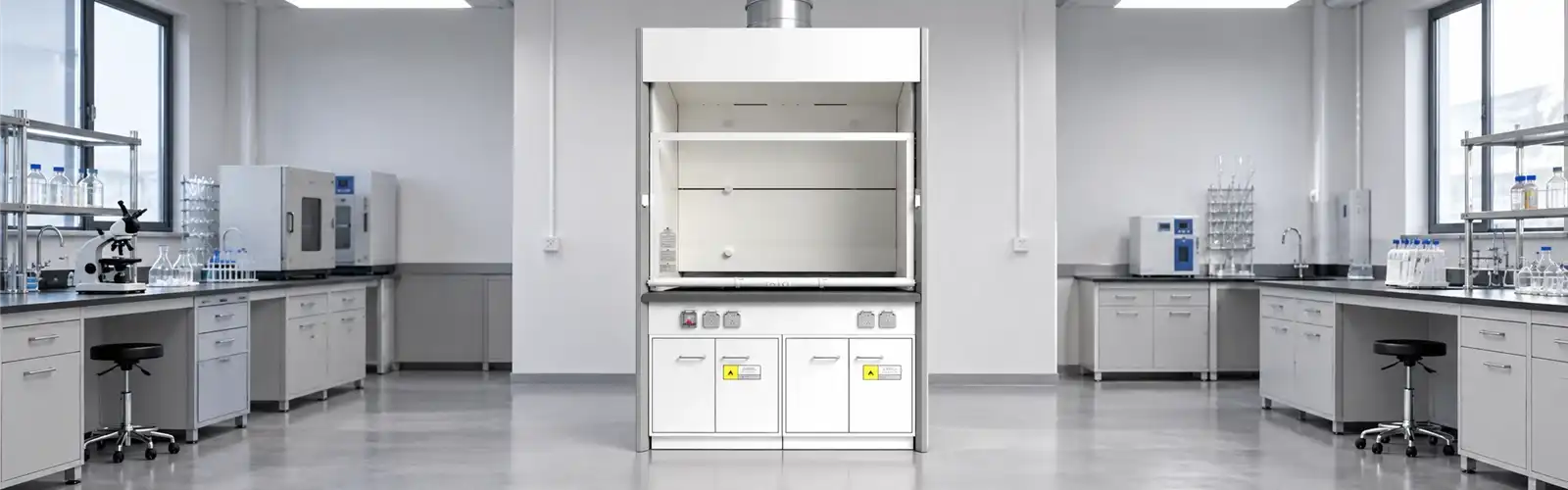
Upgrade Your Lab Safety with Uken — Request a Quote Today
For pharmaceutical, chemical, and quality control testing settings, Uken offers a wide range of chemistry laboratory fume hood options. Our goods are certified by ISO, CE, SEFA, and SGS, and our 100-engineer production team can handle orders ranging from a single repair unit to a full lab build-out. We offer quick turnaround times and helpful customer service after the sale as a reputable chemistry laboratory fume hood maker. You can email us at service@ukenlab.com or go to WhatsApp: +8615102909133 to get pricing information, product specifications, or a catalog that is specific to your facility.
References
1. American Society of Heating, Refrigerating and Air-Conditioning Engineers. ASHRAE 110: Method of Testing Performance of Laboratory Fume Hoods. ASHRAE, 2016.
2. Occupational Safety and Health Administration. OSHA Laboratory Standard: 29 CFR 1910.1450 — Occupational Exposure to Hazardous Chemicals in Laboratories. U.S. Department of Labor, 2011.
3. Scientific Equipment and Furniture Association. SEFA 1: Recommended Practices for Laboratory Fume Hoods. SEFA, 2020.
4. European Committee for Standardization. EN 14175: Fume Cupboards — Safety and Performance Requirements. CEN, 2019.
5. Lawrence Berkeley National Laboratory. Fume Hood Energy Efficiency and the Role of VAV Systems in Laboratory Buildings. Lawrence Berkeley National Laboratory, 2015.
6. National Research Council. Prudent Practices in the Laboratory: Handling and Management of Chemical Hazards. National Academies Press, 2011.

CUSTOMER REVIEWS
What Our Customers Say