



All about the laboratory table: Everything you need to know
Choose the right worksurface when planning or remodeling a lab. It can make the difference between daily tasks going easily and being very annoying. It is important to have a well-made chemistry lab working table so that tests are correct, chemicals are handled safely, and work goes easily in areas like biotechnology development, pharmaceutical research, and quality control in the industry. When it comes to protecting against chemicals, being stable, and being comfortable to sit on, regular office furniture just can't match these special desks. There are different types of materials used to make professional Lab Benches, and there are different ways to put them together. If procurement managers, building planners, and lab leaders know about these differences, they can make choices that protect both staff and research investments.
What Is a Chemistry Lab Working Table? Understanding Its Role and Design
Core Functions in Modern Laboratories
Bases that are made to work well in the hard conditions of scientific study are called laboratory worksurfaces. These tables are not like normal desks; they need to be able to handle harsh chemicals, high temperatures, and heavy science tools while still staying stable in space. To keep clean areas free of cross-contamination, hold fragile equipment without shaking it, and bring utility services like gas lines, electrical outlets, and deionized water systems right into the office, the design meets important practical needs.
Material Engineering for Durability
Professional lab tables are made of high-tech materials that were picked because of how well they work. Chemical and physical boards with a solid core can handle strong chemicals very well, and ceramic tops stay in shape better at high temperatures. Either cold-rolled steel plates that are 1.00 mm thick or epoxy resin electrostatic sprays are used to finish the structure below. These finishes keep the steel from rusting and being damaged by chemicals. This method uses several layers to keep areas clean and germ-free, which meets the high standards for cleaning in GMP-compliant facilities.
Ergonomic Considerations
When it comes to lab furniture, good furniture looks good and works well for people. Standard bench heights are between 830mm and 900mm, which means that you can work on them while standing or sitting down. This is good for your balance. Facilities can set up desks based on how people work by using modular frame designs. Island benches can be used for group study, and tables that are placed on the wall can help educational labs make the most of the room they have on the floor.
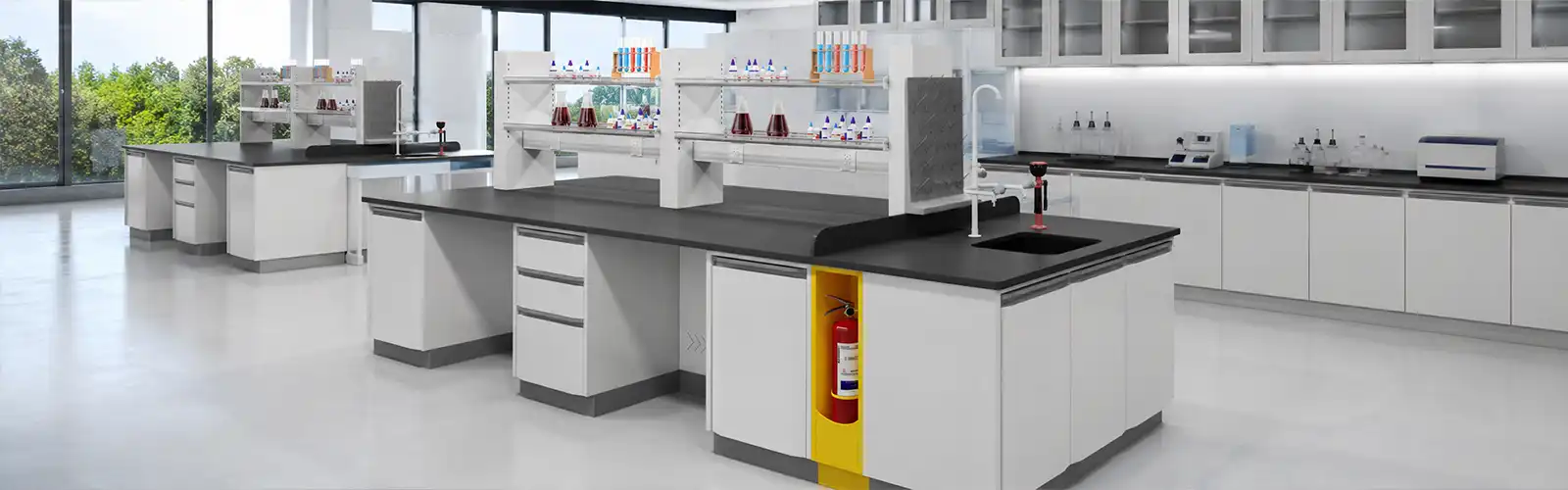
Types of Chemistry Lab Working Tables and Comparative Analysis
Fixed Versus Modular Configurations
Placements that stay in place for a long time offer the highest level of security for sensitive analysis equipment, but they also make it harder to make changes in the future. When you build modular systems, they are easier to move, more affordable to ship because they come in smaller boxes, and the building can be rearranged if the study goals change. You need to think about what your lab will need in the long term. Fixed setups work best for research programs that are already established, while flexible platforms work better for places that expect their departments to grow or change the kinds of studies they do.
Material Performance Comparisons
Steel-framed chemistry lab working tables are widely used in professional laboratories due to their high load capacity and fire resistance. Full steel structures are great for cleanrooms and other sterile work areas because they don't have any wooden parts that could soak up water and let germs grow. Epoxy-coated steel surfaces can handle both acids and bases, so they can be exposed every day to things that would quickly damage wood or plywood. These areas don't change during high-frequency rust testing, which is very important in science labs that test materials that are strong.
Integrated Storage Solutions
By building storage right into lab benches, drugs and tools that are used often are always close at hand, which makes work go faster. Cabinets come in different sizes and shapes. Single units (470 × 520 × 830mm) are good for personal workspaces, while double cabinets (900 × 520 × 830mm) are used for shared study areas. Different parts of water tanks (1440 × 720 × 830 mm) can be used as sinks, and three-drawer drawers can be used to keep smaller things. Being able to move around the lab less often this way is good for both speed and safety because it means fewer dangerous things are moved around.
Educational Versus Industrial Applications
When schools build training rooms that can be used for more than one subject, they try to make them as cheap and adaptable as possible. Standardized sizes and easier building make these places better because they need less money to build and are easier to keep up. The processes in industrial buildings, on the other hand, need certain forms. Pharmaceutics labs need surfaces that have been checked to make sure they meet GMP standards, and petroleum testing labs need surfaces that can handle high temperatures. It is important to know about these different needs so that decisions about buying are in line with practical facts.
How to Choose the Right Chemistry Lab Working Table: A Buying Guide for Procurement Managers
Assessing Your Laboratory's Unique Requirements
Figure out the functional zones of your building and write down the specific stresses that each desk will have to handle. Labs that use sensitive scales need surfaces that don't move and are level. Synthesis areas, on the other hand, need surfaces that can handle chemicals better and have built-in spill control. Write down what kinds of chemicals were used, how heavy the tools were, and whether the work includes high temperatures or hitting things with tools. This evaluation of the environment is what is used to match the furniture needs to the real needs of the business.
Core Selection Criteria
For any chemistry lab working table, chemical resistance is one of the most critical performance factors in material selection. The finish on professional-grade tables won't wear off even after being hit with strong acids, bases, and chemical agents many times. With enough room to spare, your largest tools should be able to fit within the load-bearing capacity. Depending on how the frame is made, a good bench can hold anywhere from 200 to 500 kg per square meter. How easy something is to clean has a direct effect on how well it stops contamination. For example, perfectly smooth surfaces keep chemicals from building up in cracks and joints, which is a problem with older buildings. When pros buy things, these are the things that matter more than things that are just pretty.
Customization and Adaptability
Today's labs need to be able to change with the times so they can keep up with new ways of studying. Businesses can make the most of their floor space and keep their work areas safe and comfy with the help of customized measurement services. Changes to colors, even if they seem small, help areas stay organized and follow color-coding safety rules. With OEM and ODM services, you can add features that aren't available on normal stock items. For example, you can make mounting points for hanging equipment stronger, make custom utility penetrations, or apply different edge profiles. These features come in handy when putting new parts into old homes that don't have standard sizes.
Evaluating Installation and Lead Times
Delivery rounds of 20 to 40 working days need to be planned for when changes are being made to a lab or a new building is being built. Professional buyers help with installation and make sure that buildings that are fully joined or knocked down are put together properly. When a building is first opened, this service is very helpful for getting everyone to work together. What sets reputable makers apart from cheap ones are warranties and help after the installation. The fact that this works gives you peace of mind that your money is safe.
Procurement Insights: Buying and Sourcing Chemistry Lab Working Tables
Identifying Qualified Suppliers
Companies that make lab chairs that you can trust have licenses that show they meet standards for quality and safety. For quality control methods, find providers that are ISO9001 certified, ISO14001 certified for environmental duty, and ISO45001 certified for health and safety at work. If something has CE approval, it's safe enough to use in Europe. For science tools, SEFA approval means that the item meets the rules in North America. These awards are clear proof of the ability to make things and the reliability of those things.
Understanding Pricing Structures
The pricing of a chemistry lab working table depends on material selection, structural design, and customization level. Cheap options usually don't work as well because they use thinner steel, don't treat the surfaces well enough, or have simple frame designs that make them last less long, even if money is tight. You can save money on big projects by buying in bulk. This is because the volume savings cover the higher unit costs of top specs. It costs more to make a custom order, but it's worth it because they work perfectly in small spaces and for certain purposes.
Logistics and Project Coordination
When you buy from factories in other countries, you have to think about shipping, which can change the total cost and time of the job. Lab furniture made in places with a long history of making it is often more affordable because they use specialized supply lines and have production teams with more experience. While moving knock-down systems in containers costs more than fully built units, they save money on freight costs. Pros set up shipping times with building teams to cut down on the amount of storage space needed on-site and speed up the start-up of the facility.
Building Supplier Relationships
If you buy lab chairs from the same company over and over again, you'll get more benefits than just one purchase. Building links lets you get in faster during busy times, lets you change with the project, and lets you learn more about the specific needs of your location. Getting technical help while planning keeps mistakes from costing too much, and fast service after the sale makes sure that things go smoothly when they do go wrong.
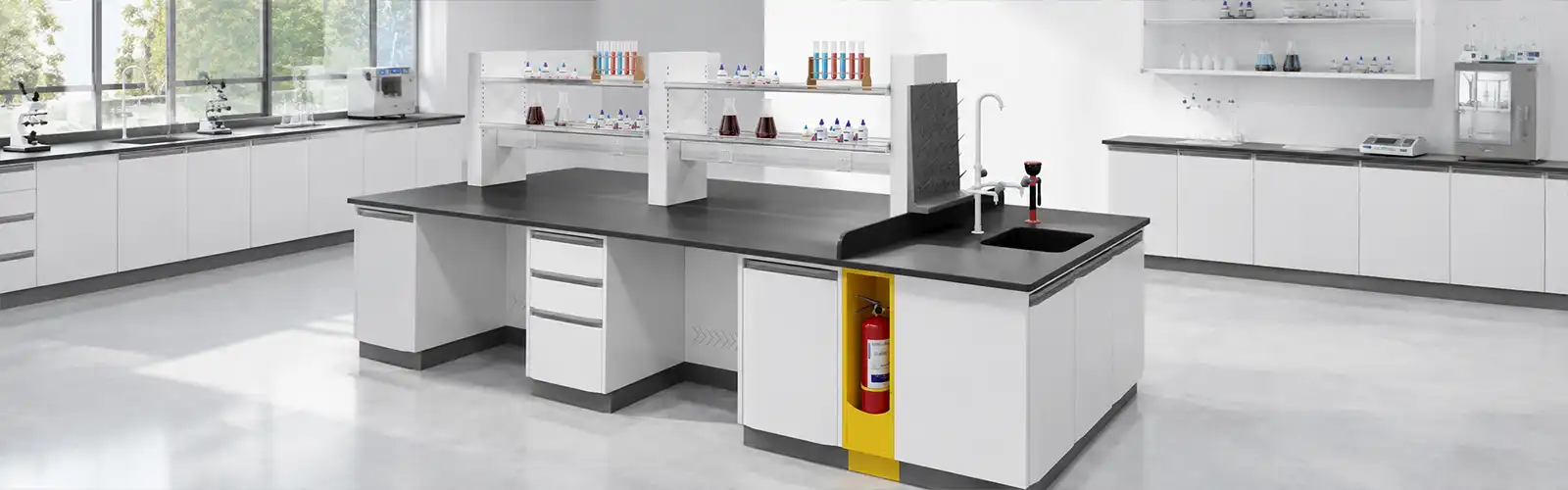
Maintenance, Safety, and Future Trends in Chemistry Labs Working Tables
Extending Service Life Through Proper Care
Proper maintenance of a chemistry lab working table ensures a long service life and stable laboratory performance. If you spill something, clean it up right away with water and mild soap so that chemicals don't damage even tough surfaces. Epoxy finishes should not be scrubbed with rough cloths because they can scratch them and leave tiny cracks where dirt can gather. You can find wear on the structure links, leveling feet, and cabinet hardware before it starts to affect how they work by checking them often. If you buy lab tools, these simple steps will help you get the most out of it.
Safety Protocol Integration
The well-thought-out shape of lab tables helps with safety plans in general. Furniture that is made of fire-resistant materials that meet Class A standards can't be used as fuel in a fire. Construction that doesn't get mildew or wet easily keeps things clean in wet places where germs can grow and spread. In controlled settings, it's easier to clean when the designs don't let dust in. Adding these traits to the list of things that can be bought makes the lab safer overall.
Emerging Design Philosophies
A lot of thought goes into modern lab planning so that study tools can adapt to how quickly things change. Buildings that use modular design can move rooms around without having to spend a lot of money on repairs. In this way, study projects can adapt to new scientific goals and change the way they do things. Sustainable material choosing helps people who care about being good to the earth. Businesses are making eco-friendly choices that work just as well as the old ones. The newest trend in lab equipment is smart integrations, which use built-in sensors to keep an eye on things like weather or structure loads. These are the next big things, but they're only being used in a few cases right now.
Anticipated Developments
As scientists learn more about materials and find better ways to make furniture, the laboratory furniture business keeps growing. There are new combination materials that work better, are lighter, and are better for the earth. It used to be that you had to buy expensive trial versions to make the exact changes that digital design tools let you make. When procurement workers think about the future, these trends help them pick out tools that will still be useful in the future.
Conclusion
If you want to get the best chemistry lab working table solutions and lab work surfaces, you should think about how well they work properly, how much they cost, and what your long-term needs are. Professional lab chairs are built to last, can handle chemicals, and have safety features that protect academics and their work. There are smart choices that improve lab output that you can make when you know about the supplier's skills, the different setup options, and the material's qualities. This guide's suggestions, like using cold-rolled steel, epoxy resin finishes, and modular building, have been used by research, pharmaceutical, and science centers all over the world and have been shown to work. Facilities put quality, safety, and source information at the top of their list of goals to protect infrastructure that has helped scientists do their work for decades.
FAQ
What distinguishes professional laboratory tables from standard commercial furniture?
Professional lab chairs are made with materials that don't react with chemicals, buildings that can withstand fire, and loads that are heavy enough for scientific instruments. In study spaces, you need furniture with steel frames, epoxy resin finishes, and safety certificates. Regular furniture doesn't have these things. Market pieces can't handle certain risks, like acidic spills, high temperatures, and heavy tools. This means they're not good for use in labs and could be dangerous.
How do modular designs benefit laboratory planning?
Because modular construction lets buildings move rooms around as research programs do, departments don't have to spend a lot of money on changes every time their needs change. It's easier to put knock-down systems in buildings that are hard to get to, and they cost less to ship because they come in small boxes. This flexibility is great for study centers and schools that teach a lot of different topics and want to keep up with new technologies.
What maintenance practices extend laboratory table lifespan?
It is impossible for chemicals to scratch surfaces that are resistant if the spill is cleaned up right away. Use soft cloths and cleaners that won't scratch concrete finishes to keep them in good shape. Check the leveling feet and structure links every three months and fix any hardware that needs it. When there are no limits around a work area, don't put very hot things right on it. These easy steps will protect your purchase and keep it working well for many years.
Why specify certified laboratory furniture manufacturers?
Certifications like ISO9001, CE, and SEFA approval can be used to show that a product meets quality standards and is safe for use. Certified sellers follow written steps that make sure standards are always met, only use approved goods, and can be tracked. This job lowers the risk of buying things and makes sure that the lab furniture follows the rules. This saves both the people who run the labs and the people who use them.
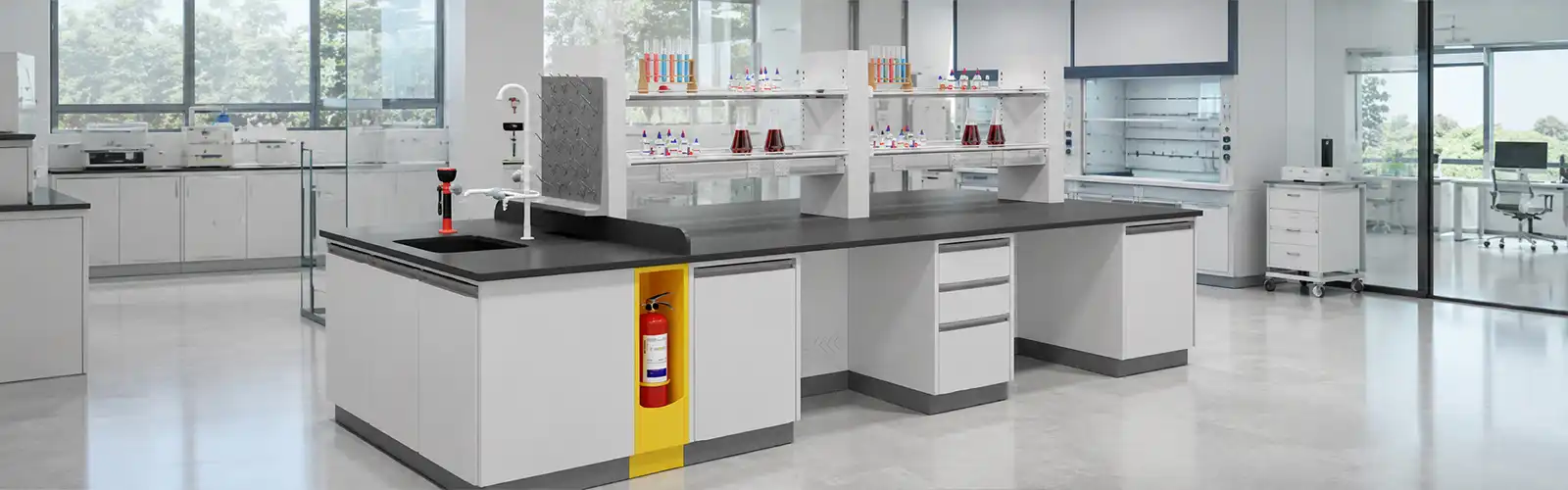
Ready to Upgrade Your Laboratory Infrastructure? Connect with Uken Today
What lab furniture is chosen now will affect how much research is done, how safe the staff is, and how well the building meets standards for years to come. Uken is great at giving full lab solutions because it has 100 skilled engineers and 30,000 square meters of room for making things. The fact that our chemistry lab working table provider is certified by CE, ISO9001, ISO14001, and ISO45001 shows that they value quality and safety. For example, if you're putting up a lab for pharmaceutical research, a school, or a quality control center for the industry, we can make it to your exact specifications. We also offer OEM/ODM services. Our epoxy-coated steel building can handle harsh chemical conditions and still has places that are clean and germ-free, which is required by GMP. Please email Our Team at ceo@ukenlab.com to talk about your project and find out how our turnkey solutions can help you build a lab more easily and better in the long run.
References
1. Scientific Equipment and Furniture Association. "SEFA 8 Laboratory Furniture Standard." Scientific Equipment and Furniture Association, 2021.
2. American National Standards Institute. "Laboratory Design and Safety Guidelines for Chemical Laboratories." ANSI/AIHA Z9.5, 2020.
3. International Organization for Standardization. "Quality Management Systems Requirements for Laboratory Equipment Manufacturers." ISO 9001:2015.
4. National Research Council. "Prudent Practices in the Laboratory: Handling and Management of Chemical Hazards." National Academies Press, 2022.
5. European Committee for Standardization. "Laboratory Furniture – Safety Requirements and Test Methods." EN 13150:2019.
6. Occupational Safety and Health Administration. "Laboratory Safety Guidance for Chemical Hazards." OSHA Technical Manual, Section II, Chapter 2, 2021.

CUSTOMER REVIEWS
What Our Customers Say