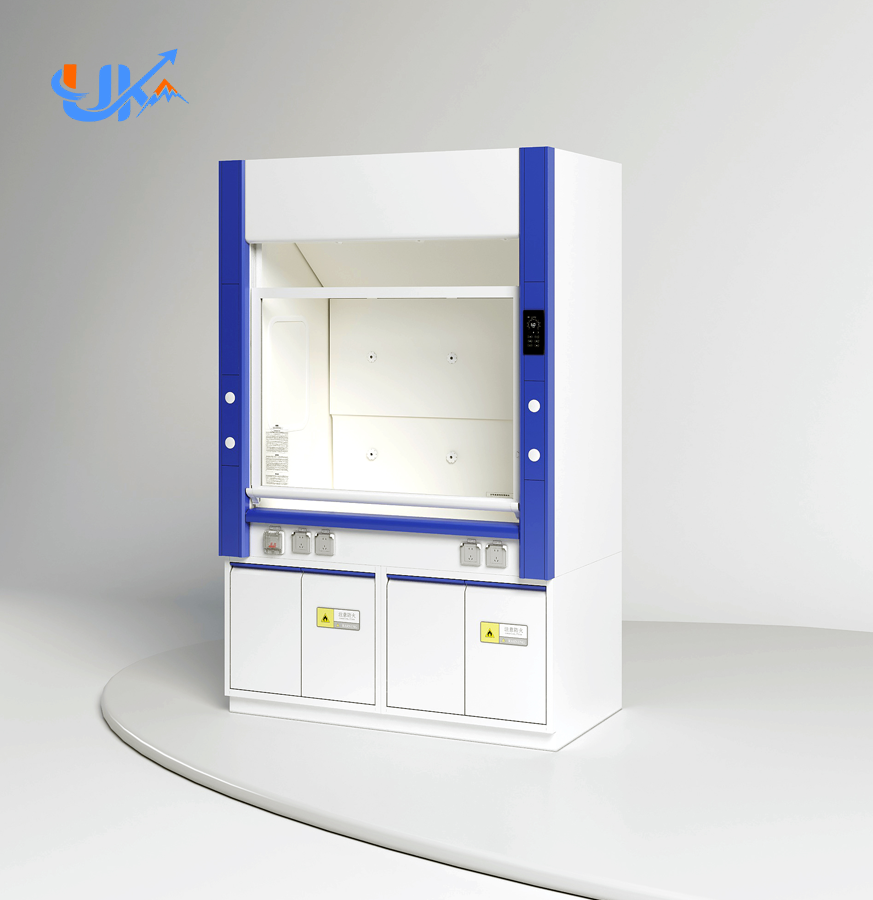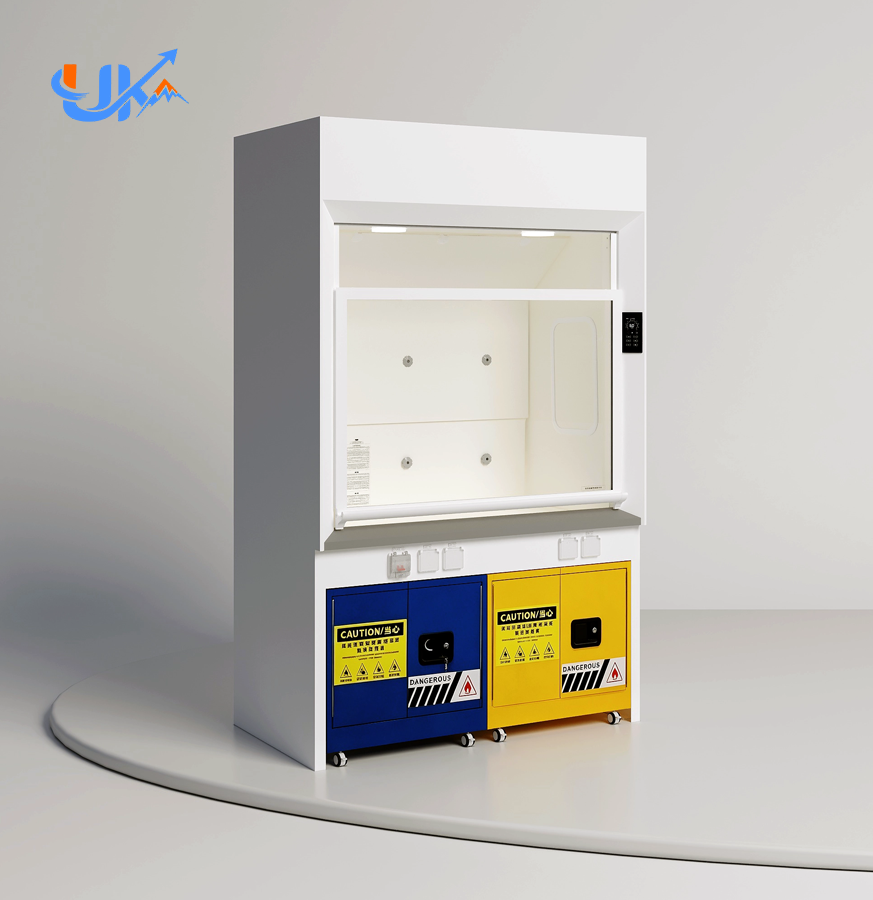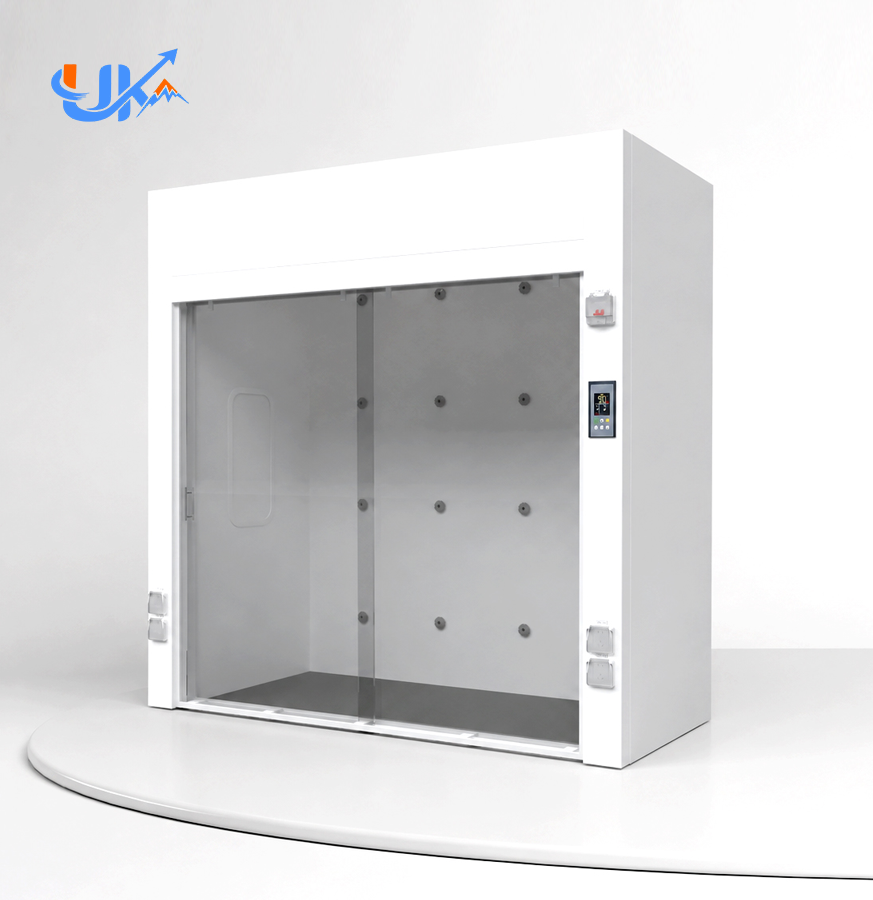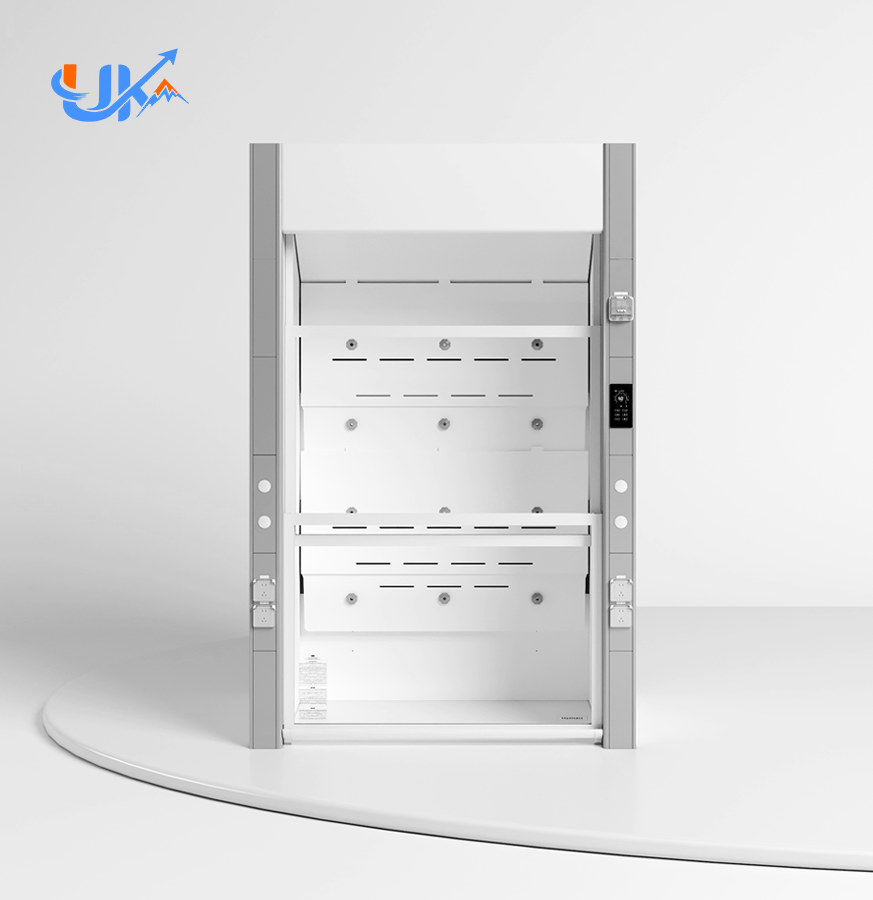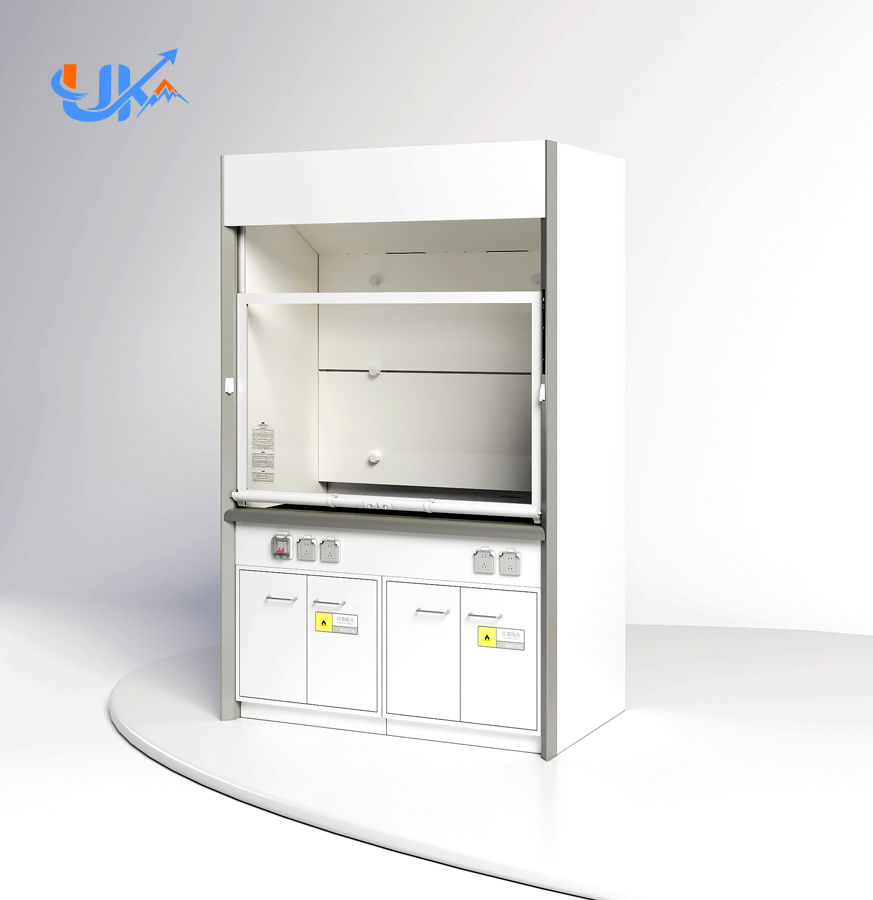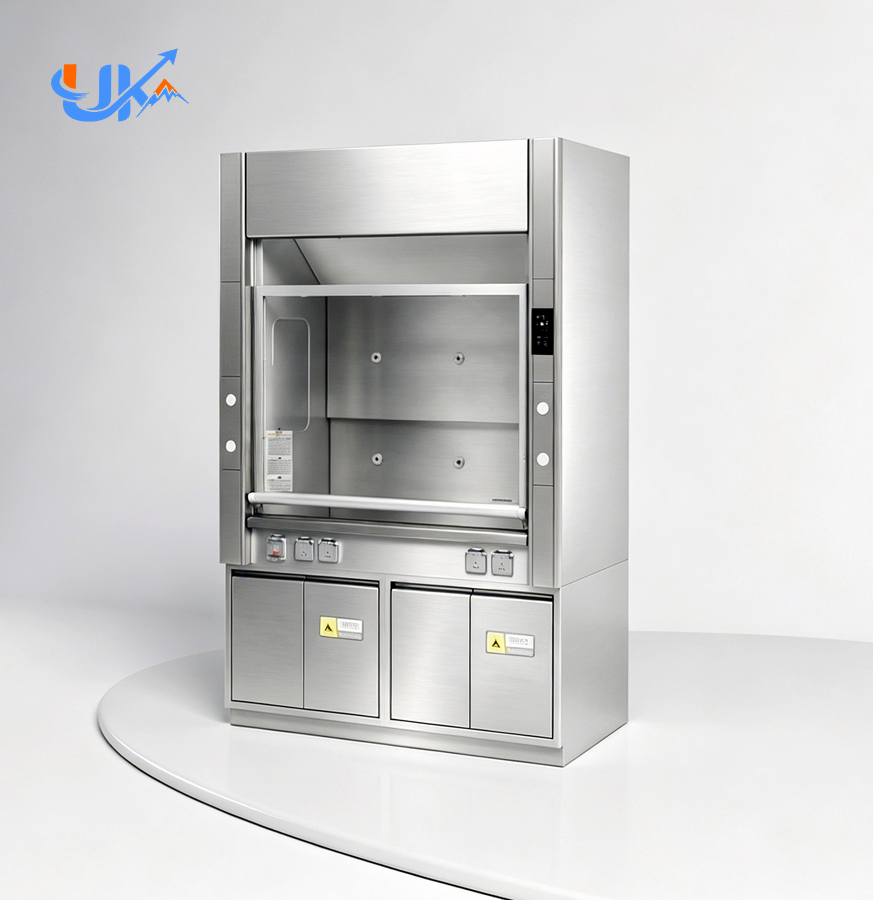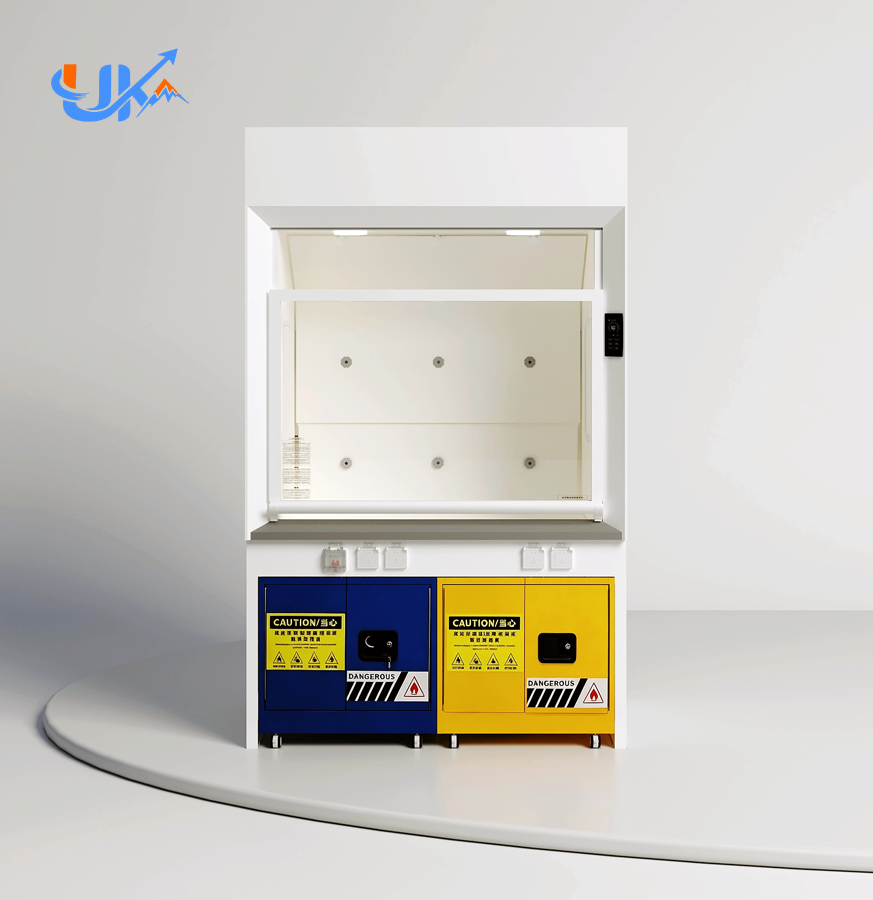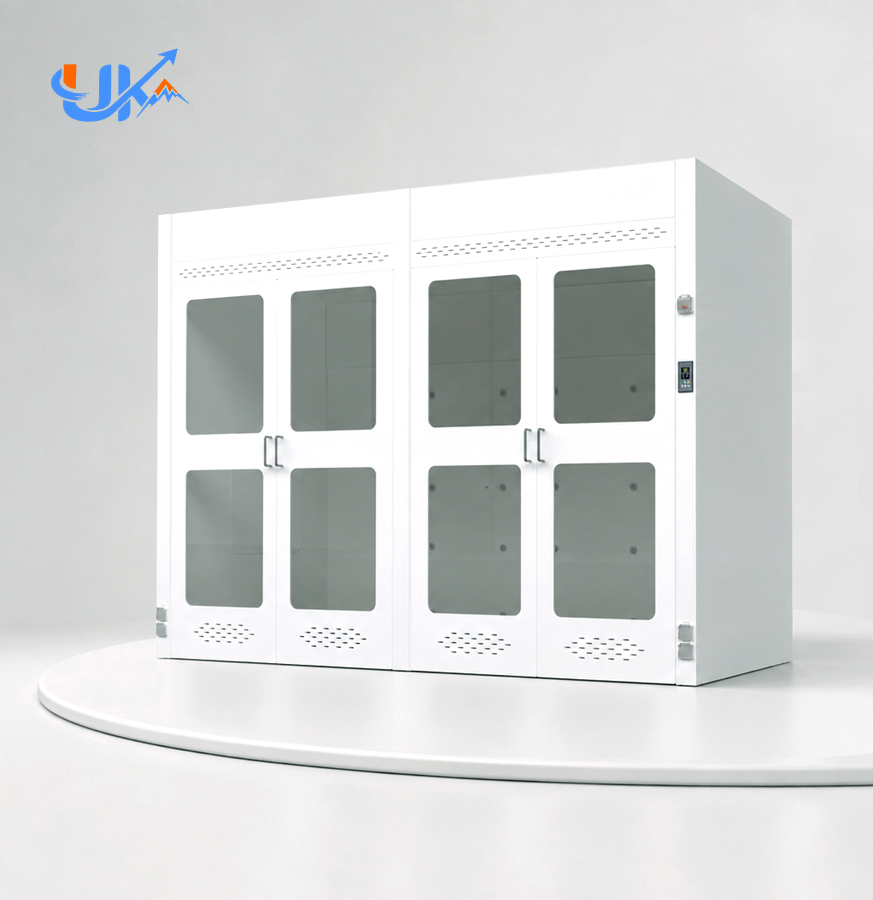

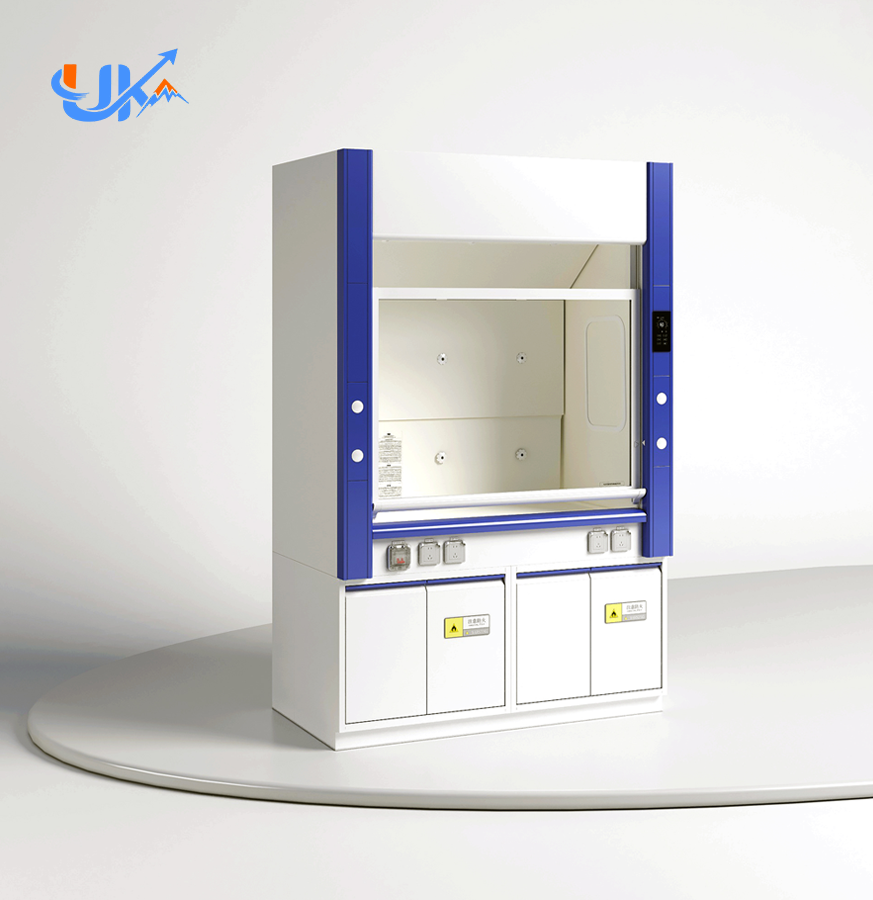
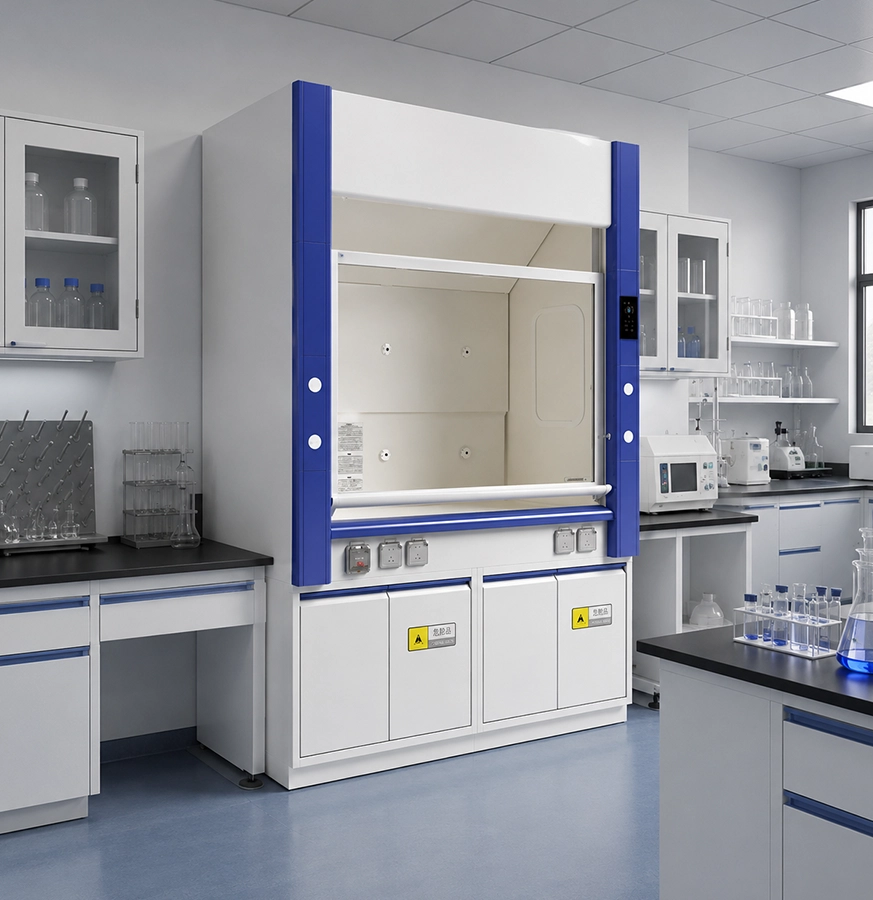
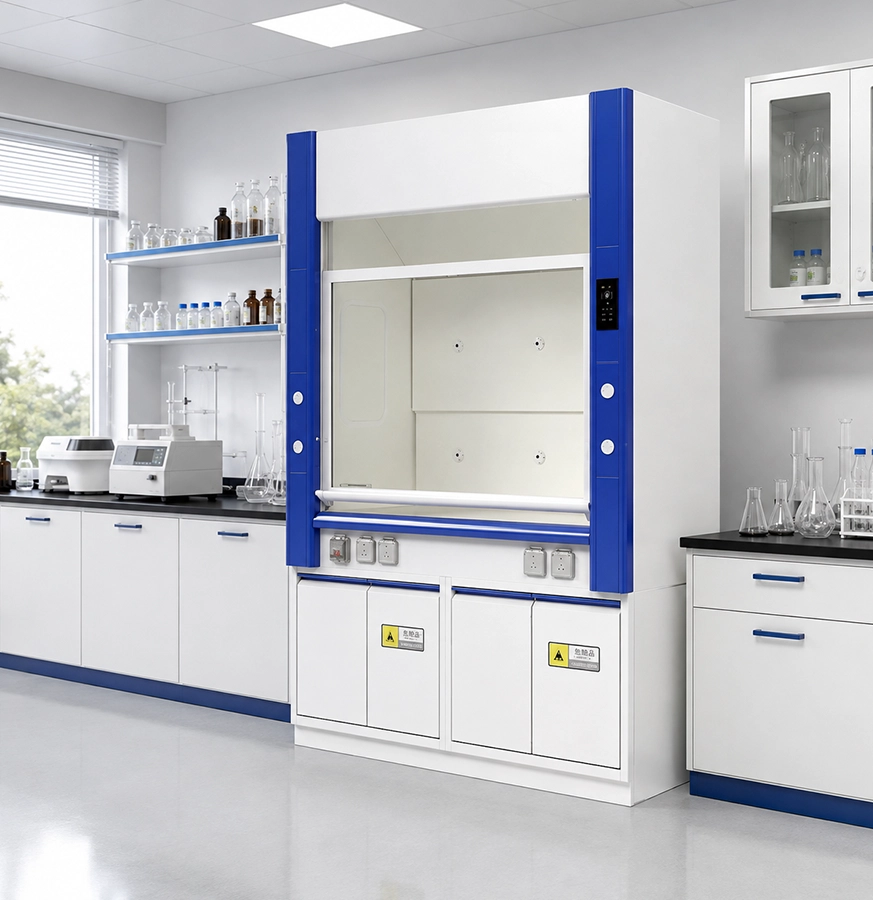

High Temperature Fume Hood
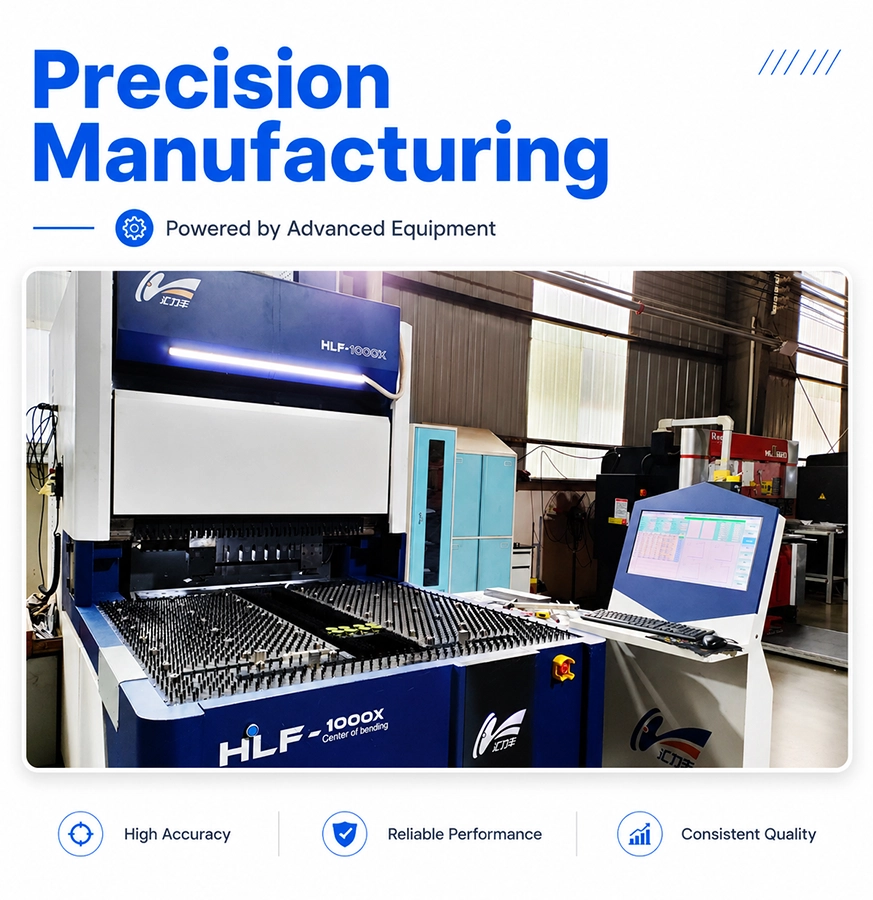
≥1.0mm steel plate, laser cut, bent & welded
Pickling & phosphating + epoxy electrostatic powder coating
Coating thickness ≥70μm
Inner Part
Inner layer & baffles: 5mm antibacterial board / corrosion-resistant material
Performance Features
All-steel structure + anti-corrosion lining, sturdy & durable
Scratch-proof, corrosion-resistant, easy-clean flawless surface
Tempered glass window + rubber buffers for safety
Synchronous belt lift, smooth run, no jam & no distortion
- Product Description
High Temperature Fume Hood: Industrial-Grade Thermal Containment Solutions
When your laboratory conducts acid digestion, catalyst synthesis, or distillations above 400°C, you need more than a standard ventilation system. Our High Temperature Fume Hood from Luoyang Youken is engineered with an all-steel structure reinforced by 5mm anti-corrosion linings and ≥1.0mm laser-cut steel plating with epoxy coating ≥70μm thick.
Built at our 30,000 m² production facility by 100 professional engineers, this industrial hood features tempered glass windows, synchronous belt lift systems, and flame-retardant materials that resist softening or deformation under extreme thermal loads. Available in three sizes (L1200×D850×H2350mm, L1500×D850×H2350mm, L1800×D850×H2350mm), it delivers robust performance for metallurgical research, petrochemical analysis, and pharmaceutical laboratories where thermal stress management is critical.
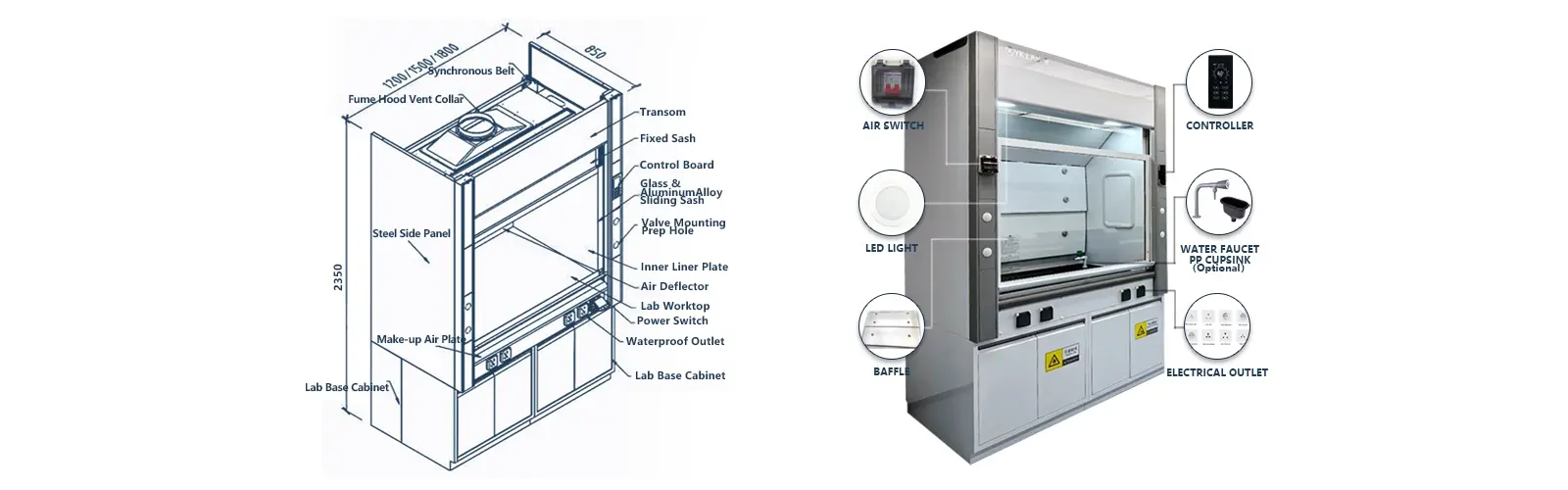
Why Thermal-Resistant Ventilation Matters for Your Lab
Standard High Temperature Fume Hood fail when exposed to sustained high temperatures. Heat causes structural warping, sash cracking, and dangerous vapor leakage through heat-induced air turbulence.
Your research cannot afford these risks. Whether you're conducting perchloric acid digestion or polymer synthesis, thermal plumes disrupt laminar airflow and compromise containment integrity.
Our solution addresses these pain points through specialized engineering. The cabinet features anti-bacterial board lining that withstands thermal shock. The scratch-proof, corrosion-resistant surface remains flawless even under aggressive chemical exposure.
Technical Specifications
| Parameter | Specification |
|---|---|
| Outer Material | ≥1.0mm steel plate (laser cut, bent & welded) |
| Surface Treatment | Pickling & phosphating + epoxy electrostatic powder coating |
| Coating Thickness | ≥70μm |
| Inner Lining | 5mm antibacterial board / corrosion-resistant material |
| Sash Window | Tempered glass with rubber buffers |
| Lift Mechanism | Synchronous belt system |
| Available Sizes | L1200×D850×H2350mm |
| L1500×D850×H2350mm | |
| L1800×D850×H2350mm | |
| Structure Type | All-steel construction with anti-corrosion lining |
Core Performance Advantages
Flame-Retardant Construction
The main material is inherently heat-resistant and flame-retardant. This prevents fire hazards during open-flame experiments and high-boiling point procedures.
YOur Team gains peace of mind knowing the structure will not soften or deform under thermal stress. This durability extends equipment lifespan significantly compared to conventional designs.
Advanced Safety Features
Tempered glass windows paired with rubber buffer systems protect operators from thermal shock incidents. The synchronous belt lift operates smoothly without jamming or distortion.
The flawless surface design eliminates chemical traps. Easy cleaning reduces contamination risks between experiments and maintains laboratory hygiene standards.
Industrial-Grade Durability
The all-steel framework combined with corrosion-resistant lining creates exceptional structural integrity. This design handles heavy heating equipment without deflection.
Backed by ISO, CE, SEFA, and SGS certifications, our manufacturing process ensures every unit meets international safety benchmarks. Our quality control team inspects thermal imaging, corrosion resistance, and airflow performance rigorously.

Application Scenarios Across Industries
Metallurgical & Materials Research
House muffle furnaces and glass melting reactors safely. The High Temperature Fume Hood manages constant heat radiation that would compromise standard containment systems.
Pharmaceutical Laboratories
Conduct catalyst synthesis and high-temperature chemical reactions with confidence. The anti-corrosion lining resists aggressive reagents at elevated temperatures.
Petrochemical Analysis
Perform fractional distillation and polymer testing where flammable vapors meet significant heat dissipation requirements. Our design maintains stable airflow despite thermal buoyancy.
Environmental Testing Facilities
Execute acid digestion procedures for mineralogy samples. The heat-resistant construction prevents vapor leakage during near-boiling operations.
Research & Development Centers
Support diverse thermal experimentation needs from 400°C to specialized applications. The modular sizing options fit various laboratory layouts.

Intelligent Design Philosophy
Our engineering team integrates laboratory architecture with personnel workflows and equipment requirements. This creates ventilation solutions focused on five core principles:
Safety First: Flame-retardant materials reduce fire risks during high-temperature protocols. Structural heat resistance prevents deformation that could compromise containment.
Operational Rationality: The synchronous belt lift system allows smooth sash adjustment without mechanical failure. This maintains consistent operator control during thermal processes.
Performance Efficiency: The scratch-proof surface enables rapid cleaning between experiments. This maximizes equipment utilization and laboratory throughput.
Future Scalability: Three size configurations adapt to evolving research demands. Your facility can standardize on proven technology while accommodating growth.
Intelligent Management: The robust construction minimizes maintenance interventions. Your team spends less time on repairs and more time on research objectives.
Frequently Asked Questions
Q:What temperatures can this hood withstand?
A:Our product is designed for consistent performance in applications involving temperatures exceeding 400°C. The flame-retardant materials and heat-resistant structure prevent softening or deformation during prolonged thermal exposure.
Q:How does the tempered glass differ from standard sash materials?
A:The tempered glass features superior thermal shock resistance compared to standard acrylic. Rubber buffers absorb expansion stress, preventing cracks when exposed to temperature fluctuations during experiments.
Q:Can this unit handle corrosive acid fumes at high temperatures?
A:Absolutely. The 5mm antibacterial board lining and ≥70μm epoxy coating provide exceptional corrosion resistance. This combination withstands aggressive chemical vapors even when heated, protecting the structural integrity.
Q:What maintenance does the synchronous belt system require?
A:The belt mechanism requires minimal maintenance due to its smooth operation design. Periodic visual inspection ensures no debris interferes with movement. The no-jam engineering reduces downtime significantly.
Q:Is installation support available internationally?
A:Yes. As a global one-stop supplier with comprehensive project experience, we provide installation guidance and technical support. Our 100 professional engineers assist with planning, customization, and integration into existing laboratory infrastructure.
Q:Does this meet international laboratory safety standards?
A:Our products comply with ISO, CE, SEFA, and SGS certifications. The manufacturing process includes rigorous quality inspections to ensure every unit meets demanding safety and durability requirements for modern laboratory environments.
Partner with Laboratory Excellence
Ready to discuss your specific laboratory requirements for High Temperature Fume Hood? Contact our engineering specialists at ceo@ukenlab.com today.

CUSTOMER REVIEWS
What Our Customers Say