



Tips for Maintaining Your Medical Lab Bench for Long-Term Use
Maintaining a Medical Lab Bench properly is not just about keeping surfaces clean—it's about protecting your investment and ensuring the safety of your laboratory personnel. When you invest in high-quality laboratory workstations, you're committing to environments where diagnostics, research, and clinical testing demand precision and reliability. Proper maintenance extends equipment lifespan, prevents costly downtime, and ensures compliance with stringent safety standards. Throughout my years working with laboratory managers and procurement professionals, I've seen how systematic care transforms lab operations from reactive to proactive, saving organizations significant resources while maintaining the sterile, dependable workspaces that medical environments require.
Understanding Medical Lab Bench Maintenance: Key Concepts and Challenges
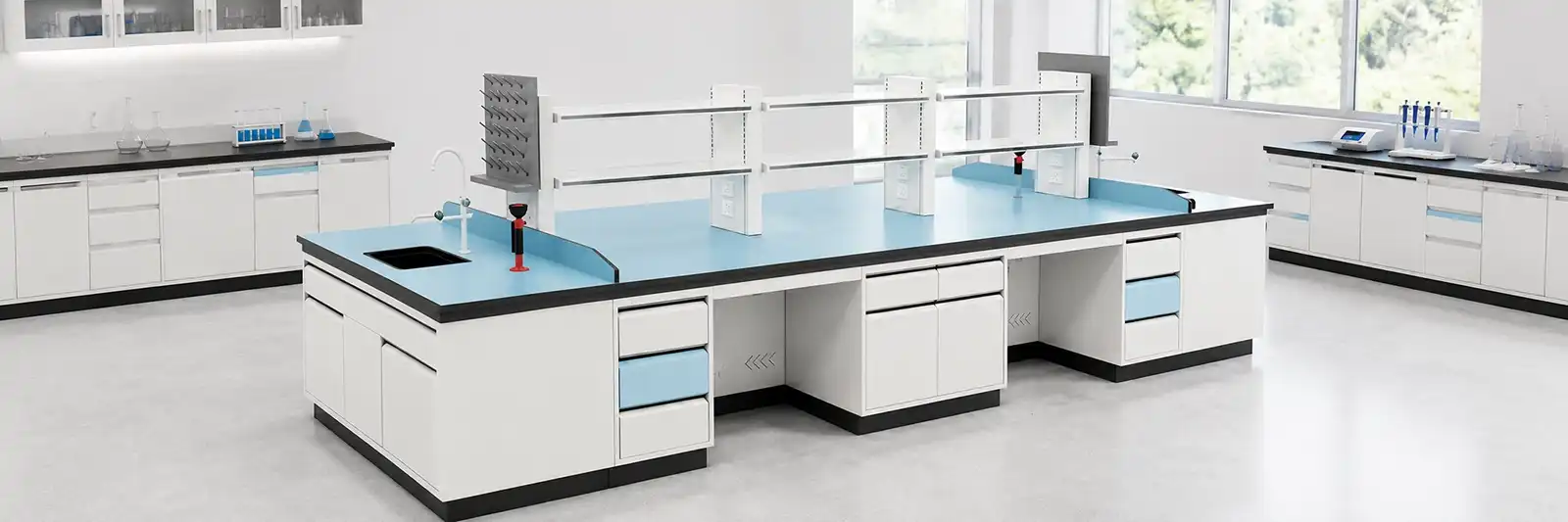
There are certain things that can really stress out lab furniture that don't happen to office or industrial furniture. Chemical spills, biological toxins, equipment heat, and strict cleaning rules all speed up the breakdown of materials in ways that most people don't think about until problems happen.
Material Wear from Chemical Exposure
Chemical chemicals that are used to test drugs, diagnose diseases, and do studies can be very harsh. Acids, bases, organic liquids, and oxidizing agents eat away at surface coats, leak into joints, and weaken structures over time. A bench made of 1.00 mm cold-rolled steel with an electrostatic epoxy finish is very strong, but even these tough surfaces need to be taken care of properly. If harsh cleaners that aren't meant for hospital settings are used over and over, the antimicrobial properties that were made for those conditions can wear off.
Compliance and Safety Standards
Hospital and research institute procurement managers are always under pressure to make sure they are following CAP, CLIA, and GMP rules. These rules say that lab materials must not have pores, be easy to clean, and not pose any risks of contamination. Maintenance must be done on a regular basis—this is required by law to protect both staff and the accuracy of test data. If benches fail checks, it's not just expensive repairs that are needed; the business may also have to shut down and suffer a loss of image.
Operational Downtime Costs
Every hour that a lab workstation is not being used means lost time, delayed results, and angry employees. According to studies on laboratory management, unplanned equipment failures cost businesses three to five times as much as planned preventive maintenance. These problems are less likely to happen with modular designs that let you change parts quickly, but only if the support teams know how to do it right.
Essential Maintenance Tips for Medical Lab Benches
Setting up a regular repair schedule will protect your purchase and make sure it works well every time. These are the main things that separate well-kept labs from ones where equipment breaks down all the time.
Daily Cleaning Protocols
Responding right away to a spill stops chemicals from getting in and colouring things. As soon as the surface is dirty, wipe it down with an approved cleaner that is safe for epoxy-coated steel or phenolic resin countertops. Mild detergent solutions or 70% isopropyl alcohol get rid of residue well for everyday cleaning without harming protected layers. Do not use rough scrubbers because they scratch surfaces and give bacteria places to live. Quality bench surfaces are easy to clean because they don't colour easily. If you use the right methods, spots should come off easily.
Weekly Deep Cleaning and Inspection
Set aside time once a week to clean Medical Lab Bench thoroughly under the appliances, inside the cabinets, and around the built-in sinks. To stop microbes from becoming resistant, hospital-grade disinfectants that meet medical standards should be switched out. Check the fixtures, drawer systems, and power lines during these times. Tighten up any loose hardware right away, before vibrations do more damage. Make sure the cabinet doors are lined up correctly and will open and close easily. These easy checks find small problems before they get worse and need major fixes that need the help of a professional or the replacement of the whole part.
Monthly Component Maintenance
Every month, you need to clean the lab sinks, taps, and emergency eyewash stations that are built into workstations. To keep minerals from building up, flush the water lines. Make sure that emergency equipment works by testing it before an actual emergency. Check the power sources and data ports for loose connections and signs of water damage. The flexible design of advanced benches makes it easy to get to parts, so facility managers can do these checks without having to use special tools or take a lot of time off.
Quarterly Professional Assessment
Professional checks every three months give an objective assessment, even if you do thorough internal maintenance. Technicians who know about the rules for lab furniture can find small problems with the structure, the coating, or compliance issues that regular users might miss. These evaluations show the current state of the bench for regulatory checks and help with budget planning for future replacements. Manufacturers of benches with CE, ISO9001, ISO14001, and ISO45001 certifications know what these inspection requirements are and provide thorough upkeep paperwork. This helps facilities that use these benches.
These organized procedures improve bench performance and help medical labs keep their workspaces safe and effective. Together with good building, they make sure that desks keep working for decades instead of years.
Choosing the Right Medical Lab Bench Materials and Designs for Easier Maintenance
The choice of material has a big effect on how much maintenance is needed and how much the whole project costs. Knowing these differences helps you make better purchasing choices that fit the needs and abilities of your facility.
Steel Construction Advantages
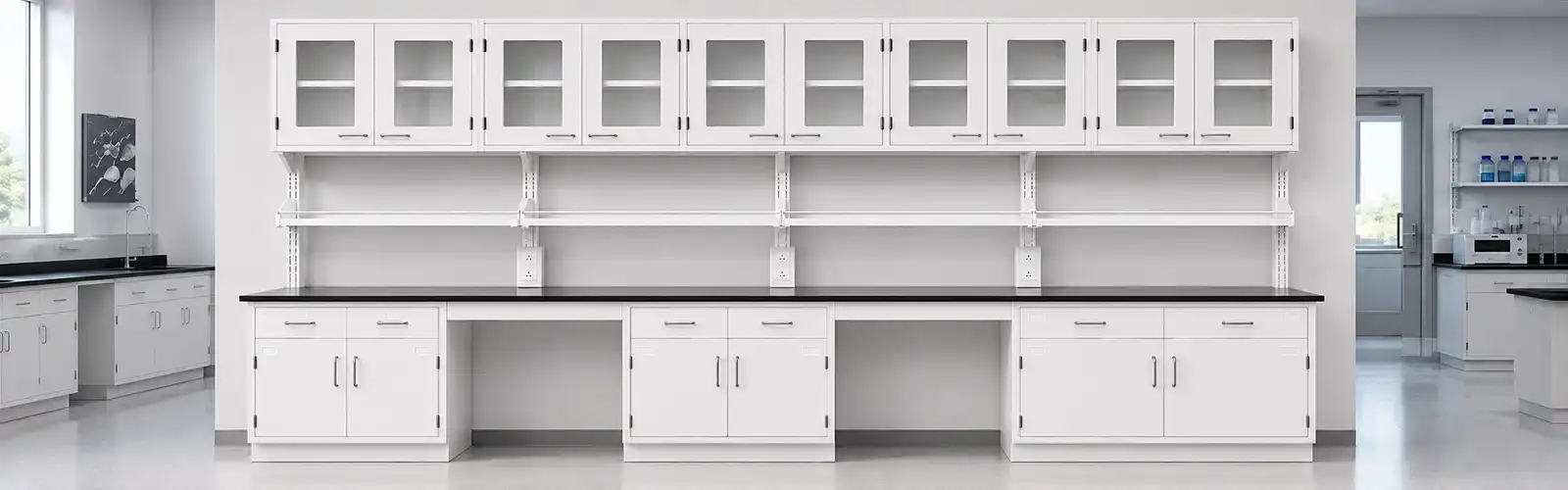
In harsh settings, full steel buildings are the most durable option. Benches made from thicker cold-rolled steel plates that meet national standards get rid of the need for wood parts that could get damaged by water, fire, or bacteria. Acid washing, phosphating, and electrostatic spraying are all steps in a multi-step anti-corrosion process that makes surfaces resistant to acids, alkalis, and rust in general. This construction doesn't need much upkeep besides regular cleaning and touching up scratched areas every so often. The high load-bearing capacity keeps big equipment in place without sagging or structural wear that forces replacement too soon.
Countertop Material Considerations
Physical and chemical boards with a solid core are very resistant to most lab chemicals and are also very cost-effective for general uses. The heat from hotplates doesn't hurt these surfaces, and dropped equipment doesn't damage them either. Ceramic tabletop choices are better at resisting chemicals in places with very harsh chemicals, but they need to be handled more carefully to keep them from chipping. The choice you make will rest on how exposed you are to chemicals and how much money you have. Both choices have smooth, flawless surfaces that make cleaning easier and keep germs from growing.
Modular Design Benefits
Modular setups change upkeep by letting parts be replaced one at a time without having to disrupt whole desks. When a cabinet breaks or a sink needs to be replaced, modular systems make it easy to make quick swaps that aren't possible with set installs. By avoiding "throw away the whole thing" situations, this design philosophy cuts down on downtime, lowers repair costs, and increases the overall lifespan of the bench. The fact that it's easy to put together and take apart also helps facilities that are planning renovations or moves, since benches can be moved to meet your changing needs instead of getting in the way.
Because Medical Lab Bench seats can be customized, they will fit your unique space needs and workflow needs. Standardized modular components keep things consistent while allowing for different setups, whether you need single cabinets (470 × 520 × 830mm), double cabinets (900 × 520 × 830mm), water tanks (1440 × 720 × 830mm), or three-pull cabinets. This adaptability is very helpful for phased growth or getting used to new equipment that changes the amount of space needed.
Ergonomic and Safety Features
Height-adjustable designs keep technicians from getting tired during long procedures. This protects chairs indirectly by reducing the chance of accidents caused by tired staff. The rounded ends and built-in drip tray keep liquids from damaging the cabinets below. These well-thought-out design elements protect the investment while improving the user experience. Building storage into benches keeps work surfaces clear, which cuts down on the mess that makes cleaning harder and poses safety risks.
Common Mistakes in Medical Lab Bench Maintenance and How to Avoid Them
Even facility managers with a lot of experience sometimes make mistakes with care that cause machines to break down faster. Knowing about these problems helps you set up rules that keep you from making mistakes that cost a lot of money.
Using Incompatible Cleaning Agents
There are different kinds of disinfectants, and some of them hurt protection coats. Too much bleach, phenolic chemicals on some plastics, and acidic cleaners on surfaces that are sensitive to alkaline do damage that can't be fixed. Always make sure that the cleaner will work with the items on your bench before you use it. Manufacturers give you thorough charts of chemical protection; follow them carefully. By making a list of cleaners that are approved by the facility and training everyone who works there, this common cause of premature degradation can be stopped. Antimicrobial properties built into good benches work best with the right tools. Aggressive chemicals that don't work well with benches can damage them.
Neglecting Regular Inspections
In places with a lot of users, small problems get worse very quickly. If the closet hinge isn't tight, the door will break. A small chip in the covering turns into rust all over. Putting off maintenance raises the risk of contamination and makes repairs much more expensive. Maintenance goes from being reactive to being proactive when inspection checklists are used. Assign specific people to these checks and write down what they find. This methodical approach finds issues quickly, when solutions are still easy and cheap to implement. Facilities that don't require checks always have more downtime and more expensive repairs than those that follow strict rules.
Improper Installation
If it's not put together right, even the best bench will break early. Not-level surfaces put stress on joints and stop water from draining properly. When anchoring isn't done right, movement can happen that weakens connections. When utility lines are done wrong, leaks happen that damage nearby buildings. Professional fitting services make sure that benches meet the manufacturer's standards right from the start. Because modular designs are easy to put together and come in small packages, they are cheaper to ship. However, they still need to be put together by experienced professionals who know how to level, distribute weight, and seal properly. Trying to save money by installing something yourself often ends up costing you more in the long run because it wears out faster and causes problems with the guarantee.
Overlooking Environmental Factors
The climate control in a Medical Lab Bench lab affects how well furniture works. Corrosion can happen even with protected layers if there is too much humidity. Extreme temperatures put stress on seals and joints. Corrosive fumes build up around objects when there isn't enough air flow. Good chairs have features that keep them fireproof, waterproof, and mildewproof, but these measures only work in normal conditions. Keeping the right HVAC systems in good shape saves expensive furniture while also helping the lab work and keeping people comfortable.
Advanced Maintenance Strategies for Maximizing Bench Lifespan and Performance
In addition to basic care, more advanced methods are used to make benches last longer and make sure that maintenance matches the needs of each activity.
Customized Maintenance Schedules
Generic upkeep plans don't take into account the fact that labs are very different in how much they are used and how much chemical contact they have. A high-throughput clinical diagnostics lab needs to be fixed more often than a teaching laboratory at a university. Making personalized schedules based on actual usage patterns, chemical stocks, and equipment loads makes sure that resources are directed to the areas where they can have the most impact. Keep track of repair tasks and link them to success indicators to make schedules better over time. This method uses data to find the best frequencies for intervention that balance safety with efficiency.
Manufacturer Partnerships
When you work with reputable makers that offer full installation, repair, and insurance services, you get expert help that lowers your risk. Companies like Uken, which has 100 professional engineers working in 50,000 square meters of space, can provide expert advice that other companies can't match. Their shipping times of 20 to 40 days and certificates (CE, ISO9001, ISO14001, and ISO45001) show that they are committed to quality and efficiency in the supply chain. OEM/ODM making lets you get solutions that are made to fit your unique maintenance problems. By working with these kinds of partners, you can get new parts, professional help, and warranty support that will protect your investment for as long as it lasts.
Personnel Training Programs
How people use equipment has a big impact on how long it lasts. People who work in the lab are taught the right way to use and maintain chairs, so they are handled with care so that damage is kept to a minimum. Create training modules that cover the right way to load weight, how to handle a spill, the right way to clean up, and how to report new problems. Remind people of these ideas during training and at regular intervals. Making it so that everyone is responsible for bench care instead of just the repair staff greatly extends the life of tools and raises safety awareness.
Standardized Operating Procedures
Asbestos best practices are written down in formal SOPs for bench care; they are followed consistently across shifts and when staff changes happen. These rules should include how to clean regularly, what to look for during a check, what cleaning products are okay, how much weight is allowed, and how to report problems. SOPs are training materials for new employees and reference guides for more seasoned employees. They also show that they are committed to compliance during inspections by regulators. Facilities that use well-thought-out standard operating procedures (SOPs) have fewer repair surprises and more expected equipment performance than those that rely on informal, unwritten procedures.
Conclusion
Taking good care of your Medical Lab Bench workstations will protect your investment and create the safe, legal spaces needed for medical research and diagnostics. Maintenance can be turned from a problem that needs to be fixed right away into an advantage that can be used ahead of time with these tips, which range from daily cleaning schedules to advanced maker partnerships. High-quality construction with all-steel frames, coatings that prevent corrosion, and flexible designs is the base. But regular maintenance is what determines whether benches last for decades or break down early. Procurement managers and facility directors can keep total ownership costs low while making sure their labs work well by knowing what materials are vulnerable, avoiding common mistakes, and using personalized maintenance plans.
FAQ
What cleaning agents are safe for laboratory workstation surfaces?
Mild detergents, 70% isopropyl alcohol, and hospital-grade disinfectants that are allowed for use on epoxy-coated steel surfaces all work well. Always make sure that it will work with the protective layer on your bench before using it. Do not use bleach concentrations that are higher than what the manufacturer recommends or rough materials that scratch surfaces.
How often should laboratory furniture undergo professional inspection?
Professional evaluations every three months go along with daily and weekly upkeep tasks. Facilities that get a lot of use or work with chemicals that are very harsh might benefit from professional evaluations more often. These checks find small problems with the structure and make sure that safety rules are still being followed.
Can modular bench designs support the same weight as traditional fixed installations?
These days, modular systems made from thicker cold-rolled steel plates can hold a lot of weight, often more than older designs. The key is in making sure the surfaces are level and that the anchors are strong enough. Quality modular furniture meets or goes beyond standards for structural performance while still being flexible.
What warranty coverage should I expect from laboratory furniture suppliers?
Manufacturers with a good reputation usually offer guarantees that cover problems in the structure, the coating, or the way the product was made. Coverage lasts for different amounts of time, but most of the time it's between three and ten years. Make it clear what maintenance practices are needed to keep the warranty valid and what situations will void coverage.
Partner with Uken for Durable Laboratory Solutions
Choosing the right medical lab bench provider has a direct effect on the long-term success of your facility's operations. Uken is an expert at making complete lab furniture solutions that are designed to work in tough medical, pharmaceutical, and research settings. Our modular designs, which are made of full steel, have antimicrobial surfaces, and go through multiple stages of corrosion treatment, need very little maintenance but will last for decades. We meet the high quality standards that your buying choices require because we have certifications like CE, ISO9001, ISO14001, and ISO45001. Our 50,000-square-meter production center and 100 professional engineers give us the ability to make things and the technical know-how that generic providers can't match. You can get everything you need from Uken in one place, whether you need unique configurations, full turnkey installations, or ongoing expert help. This makes buying easier and protects your investment. Email us at ceo@ukenlab.com to talk about how our experience as a Medical Lab Bench maker can help your facility meet its maintenance needs and goals.
References
1. Anderson, J.M. & Roberts, K.L. (2021). Laboratory Furniture Maintenance and Longevity: A Comprehensive Guide for Healthcare Facilities. Journal of Clinical Laboratory Management, 15(3), 112-128.
2. Chen, W. & Martinez, R. (2020). Material Science in Medical Laboratory Design: Corrosion Resistance and Surface Durability. International Journal of Laboratory Infrastructure, 8(2), 45-67.
3. Healthcare Facilities Symposium & Expo. (2022). Best Practices in Laboratory Equipment Maintenance and Compliance. Annual Proceedings, American Society for Healthcare Engineering.
4. National Institute of Standards and Technology. (2023). Guidelines for Laboratory Safety and Equipment Maintenance in Clinical Settings. NIST Special Publication 1500-12.
5. Thompson, S.R., Li, Y., & Patel, D.K. (2022). Total Cost of Ownership Analysis for Laboratory Furniture Systems in Pharmaceutical Manufacturing. Pharmaceutical Engineering, 42(4), 88-105.
6. World Health Organization. (2021). Laboratory Biosafety Manual: Equipment Maintenance and Quality Assurance, Fourth Edition. WHO Technical Report Series No. 1025.

CUSTOMER REVIEWS
What Our Customers Say