



Tips for Maintaining Your Chemistry Lab Working Table for Long-Term Use
Taking good care of your chemistry lab working table will make it last longer and protect your study investment. Every day, these specialized areas are hit with harsh chemicals, big loads of equipment, and strict cleaning rules. Even high-end lab furniture can break down quickly if it isn't maintained regularly, which can put both safety and efficiency at risk. By following specific care instructions for your table's materials, like epoxy-coated steel frames or phenolic resin counters, you can avoid expensive replacements and make sure you're following all safety rules in the lab. If procurement managers, facility engineers, and lab directors want to get the most out of their investments in laboratory furniture, this guide gives them care tips they can use right away.
Understanding Your Chemistry Lab Working Table: Types and Materials
Before you can choose the right chemistry lab working table, you need to know how changes in building affect the amount of maintenance needed and how long it will last in your setting.
Modular vs. Fixed Table Configurations
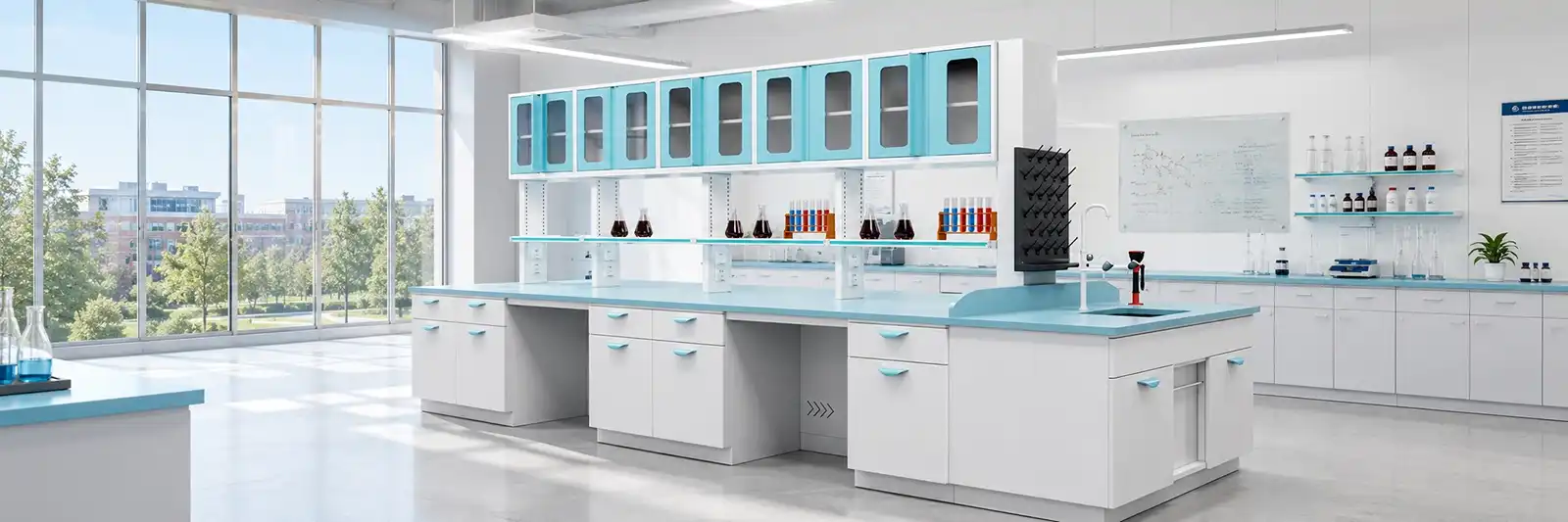
When it comes to upkeep, modular designs made from cold-rolled steel panels are much better than systems that are fixed in place. The knock-down structure lets just a few parts, like cabinets, work tables, or sink sections, be switched out without stopping the whole lab's work. A pharmaceutical testing setting has a single cabinet that gets corroded. You can replace that 470x520x830mm unit while leaving the two double cabinets next to it fully usable (900x520x830mm). Fixed placements provide better starting stability for analytical equipment that is sensitive to vibrations, but they need more work to be done when fixes are needed. Modular systems also make deep cleaning easier because workers can get to places that are hard to reach where chemical leftovers build up over time.
Material Properties That Impact Maintenance Requirements
The material of your countertop has a big impact on how much care it needs and how well it can fight chemicals. Solid core physical and chemical boards can handle being exposed to strong acids and bases over and over again while staying non-porous to keep germs from growing, which is very important for GMP-compliant pharmaceutical labs. For tasks that involve Bunsen flames or hot plates, ceramic tops are very resistant to heat, but they need to be handled carefully to avoid damage from impacts. The body is made of 1.00 mm cold-rolled steel and has an epoxy resin electrostatic spray finish that, when properly kept, gives it great corrosion protection. The acid washing, phosphating, and powder coating at a thickness of 70 to 80 microns in this multi-layer protection system make a shield that meets SEFA 8-M guidelines for ongoing chemical exposure. Knowing these things about the material helps you come up with cleaning methods that don't damage protection layers by using rough methods or solvents that don't work with them.
Common Maintenance Challenges and Root Causes
Proactive maintenance programs are different from reactive crisis management because they look for possible failure points before they become big problems that stop operations.
Chemical Corrosion and Surface Degradation
Surface wear and tear usually comes from three main places that repair plans need to take care of in a planned way. Even good epoxy coatings can be damaged by chemicals that are spilled and stay on the surface for longer than the suggested contact time. This is especially true when concentrated sulfuric, hydrochloric, or nitric acids pool in seams or around mounting points for fixtures. I've seen pharmaceutical research facilities where techs missed small acid spills during shift changes. Within hours, these spills permanently etched surfaces that would normally be strong. Properly made lab furniture is designed to be sterile and easy to clean. It has smooth construction to get rid of these chemical trap points. This problem is made worse by not enough air flow, which lets acidic vapors collect on cooler metal parts under work surfaces. This starts oxidation that isn't seen until the structure is already broken.
Mechanical Wear From Heavy Instrumentation
Chemistry lab working tables are constantly shaking and putting a lot of weight on them because of high-precision analysis equipment like HPLC systems, centrifuges, and spectrophotometers. If a table doesn't have enough load-bearing capacity (500 kg per square meter is ideal for heavy use), the welding joints will crack under stress or the frame will permanently deform. This mechanical failure makes surfaces uneven, which makes measurements less accurate and speeds up the wear and tear on expensive tools. The fully welded main structure and thicker steel panels give it the strength it needs to stay stable in size even when it's under long-term loads. This stops the tiny movements that damage furniture and equipment over time.
Installation-Related Vulnerabilities
Setting up the table incorrectly causes upkeep problems that last the whole time it's being used. When setups aren't level, liquids move toward lower parts, creating areas where moisture builds up over time, which is too much for even the best rust protection. When pipe connections on water tank units (1440x720x830mm) aren't made correctly, slow leaks happen that fill up cabinets with water before they can be seen. This helps mold grow and speeds up the rusting process. Purchasing managers should make sure that workers follow the manufacturer's instructions during installation. Fixing these foundational problems after the lab starts running is both time-consuming and expensive.
Essential Maintenance Tips for Chemistry Lab Working Tables
Systematic care routines that are made to fit your unique work setting can make chemistry lab working tables last longer while still following safety rules in the lab.
Daily and Weekly Cleaning Protocols
Setting up regular cleaning habits keeps small amounts of dirt from turning into damage that can't be fixed. Technicians should clean all surfaces with light detergent solutions or lab-specific cleaners after each work session. They shouldn't use rough pads because they can scratch protective epoxy coats. The smooth, seamless form of the surface makes it easy to clean quickly and keeps chemicals from building up in cracks. For spills involving strong acids or bases, neutralization right away followed by a thorough rinse stops the 24-hour continuous exposure threshold that SEFA testing standards say is when surface changes start to become permanent.
Weekly maintenance should include checking the links between sink fixtures, cabinet door hinges, and drawer glides on three-pull cabinets for early signs of rust or loosening. Tightening hardware before it completely breaks stops damage to other parts in the area. The building materials are fireproof, moisture-proof, and mildew-proof, so they can handle this regular check without breaking down. Wooden options, on the other hand, swell and warp in a humid lab.
Quarterly Safety and Structural Inspections
Every three months, building managers should do full inspections that look at more than just how things look on the outside. Check welded joints for tiny cracks that show where the stress is concentrating. Also, make sure that the epoxy covering stays on solidly and doesn't bubble or flake. Finally, make sure that modular links stay in the right place. These thorough reviews find problems early on, when they are still manageable and don't need to be fixed by replacing the whole part.
By applying a calibrated weight to test load-bearing ability, you can make sure that big equipment stays safely supported. When installing a ceramic tabletop, it's important to pay close attention to the support structure below. If the frame weakens without being noticed, it can suddenly collapse when researchers put more instruments on surfaces that seem stable.
Protective Measures During High-Risk Operations
Extra safety keeps your investment safe when you do tests with chemicals or processes that are very harsh or that are heated to high temperatures. Chemical-resistant mats put under reaction tanks that hold hydrofluoric acid or other very corrosive substances add to the table's natural resistance as a barrier. When heating something for a long time, heat-dissipating pads stop localized thermal stress that could damage epoxy coats or cause stress cracks in ceramic tops. Taking these simple steps will save you a lot of money compared to replacing the surface too soon, especially since customized new parts usually take 20 to 40 working days to arrive.
How to Choose Maintenance-Friendly Chemistry Lab Working Tables
When choosing a chemistry lab working table for the first time, you should think about how much upkeep will cost in the future. This is why it's important to make smart material and style choices for operational efficiency.
Key Features That Simplify Long-Term Care
When looking at lab furniture providers, give more weight to designs that include features that make upkeep easier and that fit your needs. Acid-alkali and corrosion-resistant finishes that are made using multiple steps (acid washing, phosphating, and electrostatic spraying) need to be refinished less often than single-layer coats. The modular frame design makes it easy to set up and also makes fixes easier in the future because broken parts can be changed without having to move all the furniture.
OEM and ODM services from makers with ISO9001, ISO14001, and ISO45001 certifications make sure that production follows quality control guidelines. This cuts down on flaws that lead to warranty claims and business interruptions. Customized dimension service lets you choose setups that work with the way your lab works, so you don't have to reach awkwardly or stack things in ways that aren't stable, which speeds up wear.
Comparative Material Analysis for Procurement Decisions
Understanding how different building materials affect upkeep can help you balance the costs of the original investment with the costs over the course of the project's life. When buying lab furniture, procurement workers should think about these main benefits of current all-steel construction:
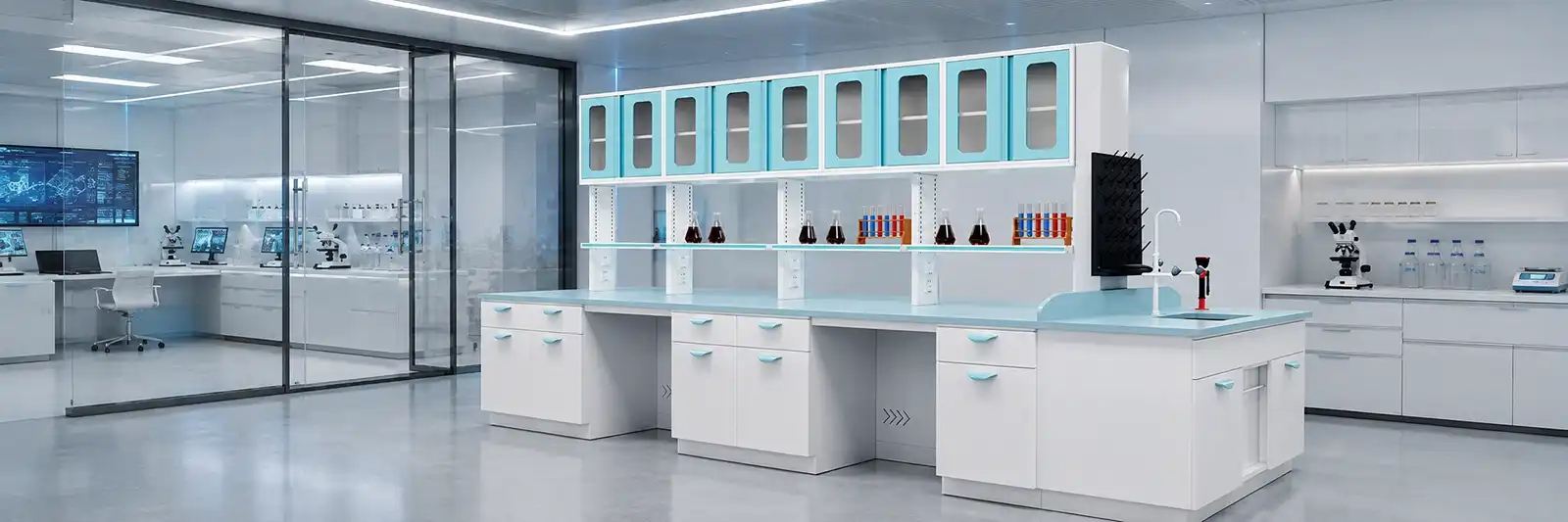
Full Steel Structure with Epoxy Coating: This configuration provides better resistance to acids, alkalis, and corrosion, and it keeps its high load-bearing ability over long work periods. Since there are no wooden parts, there is no wetness absorption, swelling, or organic degradation, which are problems with hybrid designs. Electrostatic powder coating makes a smooth protection layer that is stronger against chipping than finishes that are applied with a brush.
Chemical-Resistant Countertop Options: Solid-core physical and chemical boards are very good at resisting organic solvents, strong acids, and the heat that comes from putting hot glasses on top of them. Ceramic options can handle more heat and last longer, but they need to be handled more carefully to avoid damage from impacts. By choosing countertops that are right for the chemicals that are used in your lab, you can avoid having to replace them too soon.
Modular vs. Fully Assembled Structures: Knock-down designs save money on shipping costs by being easier to store and make it easier to change parts as the furniture wears out. Options that come fully built are ready to be installed, but they limit your ability to fix things. When choosing the type of building, procurement managers should check to see if their facility care teams have the technical know-how to do modular repairs.
Installation and Set-Up Guidelines to Facilitate Long-Term Maintenance
The right installation at the start sets the stage for long-term Chemistry Lab Working Table maintenance plans that work, avoiding problems that could have been avoided and raising running costs.
Critical Setup Procedures for Structural Integrity
Before putting together lab chairs, the floors must be checked to make sure they are level and evenly distribute weight. When placed on uneven bases that cause stress clusters at certain frame points, even high-quality tables that are built to last experience faster wear. Make sure that fitted tables deviate less than 2 mm across their full working area by using precision leveling tools and adjusting the leveling feet until they are in the right place.
Instead of general building plumbers, hire trained techs who know how to work with laboratory-grade tools to install water tank units or tables that need plumbing hookups. For emergency eyewash stations and chemical-resistant faucets, you need more knowledge than what is required by home or business building standards. When connections aren't made correctly, leaks can get into cabinets and damage the floors around them.
Leveraging Modular Design for Future Adaptability
Modular systems are flexible by nature, which has strategic benefits beyond the original cost savings. If the goals of the study change or the roles of the lab change, modular setups let you rearrange the workstations without having to buy all new furniture. When a pharmaceutical development lab changes from making small molecules to processing biologics, it can rearrange single cabinets (470x520x830mm) and double cabinets (900x520x830mm) to support new work patterns while keeping the large capital investment.
Documenting the original installation setup with photos, measurements, and component serial numbers makes it easier to make changes in the future and makes it easier to order the right new parts. This information makes sure that when you contact makers for extra parts or new sections, they will be compatible with what you already have installed. Maintenance staff that gets training from the supplier quickly learns about certain design features, the best way to clean, and early warning signs of problems that might be happening.
Conclusion
Strategic care practices turn lab furniture from a cost that needs to be replaced often into an asset that will last and support excellent research for a long time. Understanding the materials used to make your chemistry lab working table, following strict cleaning and inspection rules, and making smart purchasing choices will all help you keep operations running smoothly and get the most out of your investment. Chemical-resistant materials, flexible design, and the right way to put them all come together to make workstations that can handle places like pharmaceutical testing labs, educational labs, and industrial quality control facilities. When purchasing furniture, procurement managers who specify features that are easy to maintain, like epoxy-coated steel construction, customizable sizes, and certified manufacturing quality, set their companies up for long-term operational efficiency and regulatory compliance throughout the furniture's lifecycle.
FAQ
How often should professional inspections occur for lab worktables?
Professional full checks should be done every three months in labs that are exposed to a lot of chemicals, like those that make medicines or test chemicals for oil. Educational and study labs that don't get used too much can extend the time between inspections to every six months, as long as daily user-level surface checks and weekly gear reviews are still done for your chemistry lab working table.
Which cleaning agents must be avoided on epoxy-coated surfaces?
Do not use steel wool, gritty powders, or chlorinated solvents on epoxy resin surfaces because they break them down. Stay away from pure hydrofluoric acid for a long time because it can damage even the best chemical-resistant finishes. Stick to soaps that don't change the pH level or the cleaning solutions that the maker suggests because they protect the protective layers.
Do modular designs offer cost savings compared to fixed installations?
Long-term ownership costs are cheaper with modular configurations because they are easier to move because they are packaged more compactly, they make it easier to replace parts without having to replace the whole table, and they allow for more flexible reconfigurations that extend the useful life as lab functions change. Most of the time, the higher price at the start pays for itself in the first big fix cycle.
What load capacity should I specify for analytical equipment?
Tables that hold precise tools like mass spectrometers or automatic sample processors need to be able to hold 400 to 500 kg per linear meter. Wet chemistry benches in general can work well with a capacity of 200 to 250 kg. Always make sure that the manufacturer's specs only talk about static loads and not dynamic ones. This is because equipment that is constantly vibrating needs more structure space.
Partner with Uken for Superior Laboratory Furniture Solutions
Setting up a repair plan starts with choosing lab furniture that is made to handle the needs of your operations. Uken is a specialized company that makes the Chemistry Lab Working Table. It has 30,000 square meters of production space and 100 skilled engineers. It offers solutions that can be tailored to pharmaceutical, biotechnology, and chemical research settings. Our building is made of cold-rolled steel and has an epoxy resin electrostatic spray finish that protects against corrosion. This is needed for high-frequency testing uses, and the modular designs make long-term upkeep cheaper. We help procurement managers and building engineers by giving them expert advice, customizing sizes, and offering full warranties backed by CE, ISO9001, ISO14001, and ISO45001 certifications. Email Our Team at ceo@ukenlab.com to talk about your lab furniture needs and get full specs that show how our products reduce the amount of upkeep needed while increasing their reliability over time.
References
1. Anderson, K. (2021). Laboratory Furniture Design Standards and Chemical Resistance Testing Protocols. Journal of Laboratory Safety and Infrastructure, 15(3), 112-128.
2. Bennett, M. & Richardson, P. (2020). Maintenance Best Practices for Scientific Research Facilities. Facility Management Quarterly, 42(2), 67-85.
3. Chemical Laboratory Standards Institute. (2022). Guidelines for Laboratory Workstation Material Selection and Lifecycle Management. Technical Report CLSI-LW-08.
4. Morrison, J. (2019). Corrosion Prevention in Chemical Research Environments: Materials Engineering Approaches. Industrial Laboratory Design Review, 28(4), 203-219.
5. Sanders, L. (2023). Modular Laboratory Furniture Systems: Installation and Long-Term Performance Analysis. International Journal of Research Infrastructure, 11(1), 45-63.
6. Thompson, R. & Yamada, H. (2020). Economic Analysis of Laboratory Furniture Procurement: Total Cost of Ownership Models. Journal of Scientific Facility Planning, 19(3), 134-152.

CUSTOMER REVIEWS
What Our Customers Say