



Science Lab Table Buying Guide for Schools and Universities
Choosing Science Lab Table laboratory furniture for educational facilities demands careful attention to safety, durability, and budget constraints. A well-designed laboratory workstation supports hands-on STEM learning while enduring years of intensive student use across chemistry, biology, and physics disciplines. This guide walks procurement professionals through essential considerations when evaluating laboratory furniture options, from material specifications and safety features to vendor selection and long-term maintenance strategies. Understanding these factors helps you secure installations that meet institutional standards, satisfy faculty requirements, and remain functional throughout demanding academic schedules.
Understanding Laboratory Workstations: Types, Materials, and Features
Core Design Distinctions from Standard Furniture
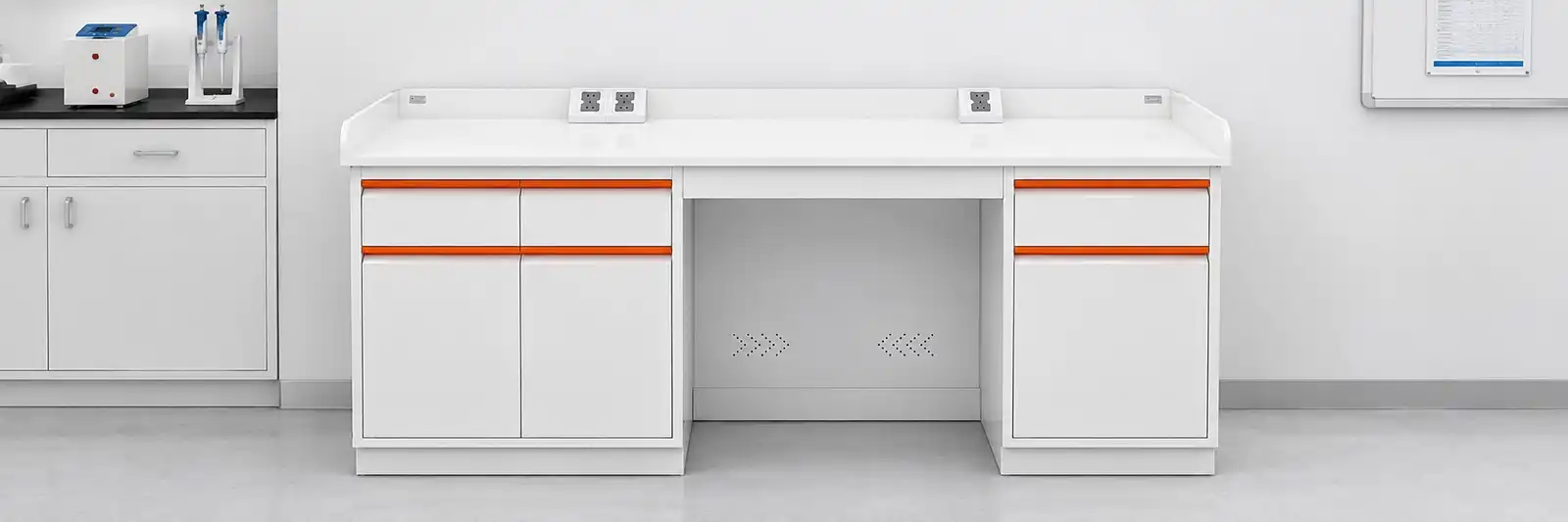
The Educational Science Lab Table is very different from business workbenches because it was designed with chemical exposure, big equipment loads, and student safety in mind. The surfaces of these desks are non-porous and resistant to acidic and basic substances. The frames are strengthened to hold analytical tools that weigh hundreds of pounds, and the edges are rounded to keep students from getting hurt when the classroom is busy. The design allows for harsh disinfectants to be used for constant cleanup and for the expected spills that come with student tests.
Material Options for Educational Settings
Cold-rolled steel construction gives structures a lot of strength, especially when 1.00 mm thick plates are used to keep them from bending under centrifuges and microscopes. Electrostatic spraying epoxy resin makes a barrier against corrosive reagents while keeping the surface clean, which is important for labs that serve both chemistry and biology classes. When choosing a countertop, you can balance the need for chemical protection with your budget by choosing between solid core physical and chemical board surfaces and ceramic surfaces.
Essential Safety and Ergonomic Features
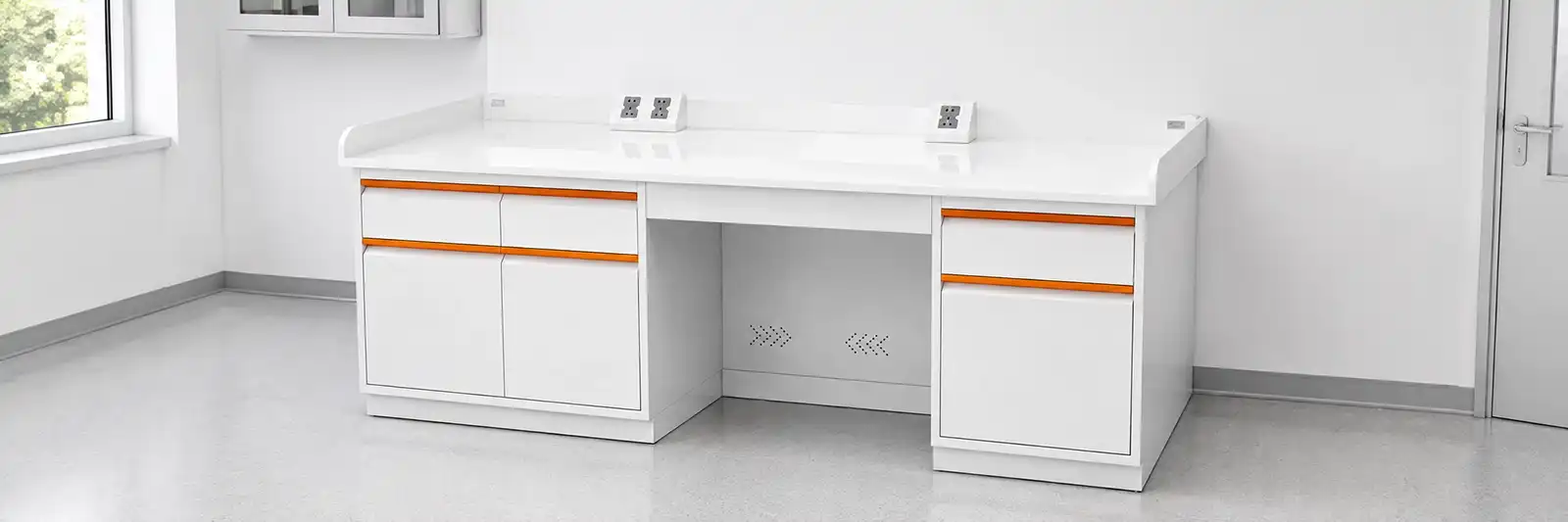
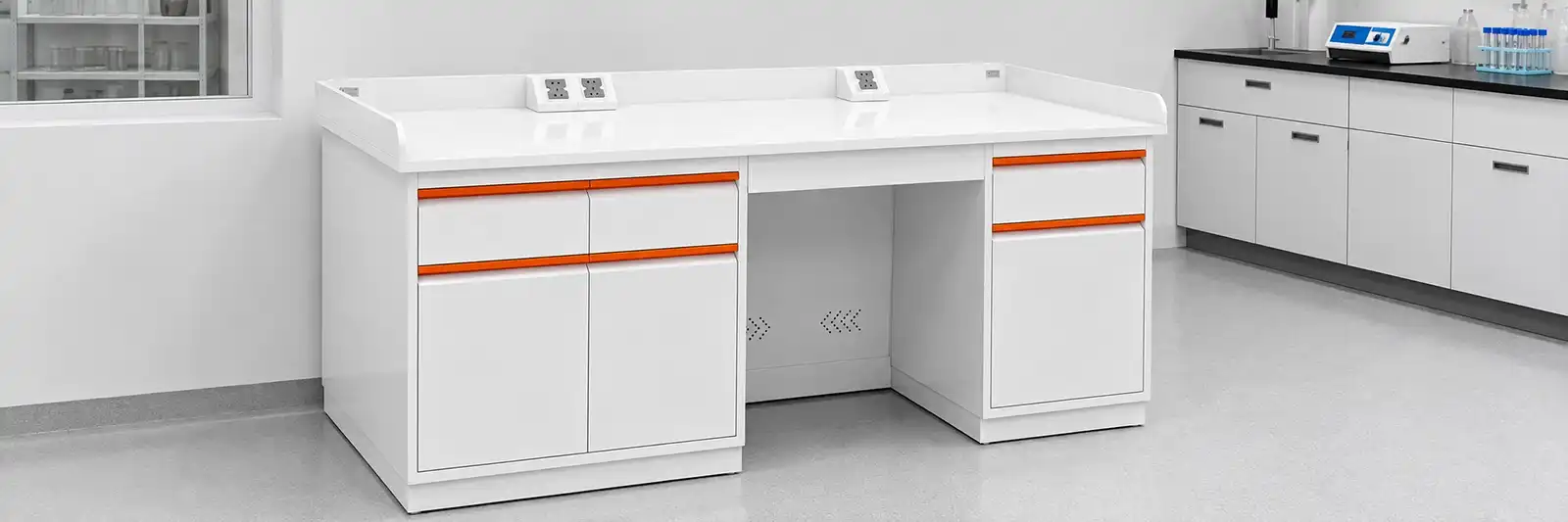
Modular steel systems are better than wood options because they are resistant to fire and water. The fully welded construction and soundproof material inside the cabinet door panels cut down on noise when the drawers are being used, making the rooms better for learning. Customizable cabinet colors help match the style of a school while keeping the lab's professional look.
Professional-grade lab furniture has smooth corner tables all over, so there are no sharp edges that could hurt students when they are moving around or handling glassware. This design consideration is especially useful in K–12 settings where safety rules call for extra care. The 400mm-long silent three-section slide rails and hydraulic hinges make sure that the machine runs smoothly and quietly, even when it's used every day during multiple class periods.
The load-bearing capacity is higher than what is normally required for office furniture. It can hold heavy analytical equipment without the surface bowing. Acid cleaning, phosphating, and electrostatic spraying are some anticorrosion methods that protect against the chemicals that are used in science. These rules are in line with SEFA guidelines and help institutions meet their safety obligations.
How to Choose the Best Laboratory Furniture for Schools and Universities?
Defining Your Institutional Requirements
To be successful at procurement, you must first be honest about how your building works. Think about the types of labs that are used. For example, general science classrooms need different equipment than advanced placement chemistry labs or university research facilities. The number of students affects how durable the building needs to be; places with a lot of foot traffic need stronger building materials than specialized graduate laboratories.
Material choices and customization options are limited by budget. Educational schools usually set aside between $15,000 and $100,000 a year for different types of Science Lab Tables. This means that they have to carefully weigh their current needs against their long-term value. When the furniture is installed is very important, since most schools can only put in new furniture during the summer or winter breaks, when the classes are empty.
Establishing Core Evaluation Criteria
Durability is very important for furniture that is used by many groups of students every day during the school year. Building with thickened cold-rolled steel plates that meet national standards makes sure that the structure won't bend under heavy use. The flexible design makes it easy to put together and take apart, which makes it easier to change the layout in the future as the needs of the program change.
Safety certificates from organizations like ISO, CE, SEFA, and SGS show that the furniture meets the standards for expert labs. Check the quality of the weld, the regularity of the coating, and the accuracy of the measurements by looking at paperwork from makers who have strict quality control. The load capacity details should make it clear what weights can be supported for the equipment you want to install.
For labs that do tests with acids, bases, and organic solvents, chemical protection is very important. With epoxy coating technology, surfaces don't wear down over time, which hurts both their usefulness and look. Surfaces that don't have pores stop bacteria from growing and make cleaning easier between classes, which is important for keeping the sterile conditions needed for biological and pharmaceutical work.
Comparing Structural Options
Here are the core structural configurations available for educational laboratories:
Metal versus Wood Construction: Steel frames are better at supporting weight and keeping fires out than wood frames. Professional types have 50x80 mm steel frame square tubes that keep precise instruments stable without worrying about vibration. Metal construction gets rid of problems with moisture absorption that happen in humid places and makes cleaning easier.
Fixed versus Modular Systems: Modular lab furniture can be rearranged to fit new teaching methods or tools without having to be replaced all together. Because they are smaller, knock-down structures are cheaper to move, and school repair staff can easily put them together. This flexibility is especially helpful for schools that are adding more students or changing their courses.
Integrated Utility Options: Setups with sinks, like 1440x720x830mm stainless steel water tanks, unify pipes for science studies, but they only let you put the table in places that have access to water. When it comes to physics and general science, plain surface models give you more structure options. When you're weighing these pros and cons, think about the things you usually do in the lab.
These structural choices directly impact both initial investment and long-term operational flexibility, requiring alignment with your institution's strategic planning horizon.
Tailored Recommendations by Educational Level
High school laboratories benefit from robust designs prioritizing safety and ease of maintenance. Single cabinet units (470x500x720mm) and double cabinet configurations (900x500x720mm) have enough space for normal teaching tools, and the 1.00mm steel plate construction can handle the way students use it. The lack of sharp edges and rounded sides reduces the risk of injury that comes with working in a setting with teens.
Facilities at universities often need to have features that can be changed to fit specific study methods. Three-pull cabinets make it easy to organize and store complex analytical reagents, and materials that can be adjusted on the countertops allow for different levels of chemical exposure in different departments. Choosing the color of the cabinets helps separate labs by department or level of safety.
Procurement Process: Buying Laboratory Furniture Efficiently and Cost-Effectively
Understanding Cost Factors and Budget Optimization
The choice of material has a big impact on Science Lab Table price, with cold-rolled steel and epoxy finishes getting higher prices because they last longer. Costs are related to size requirements, such as how the cabinets are set up and how big the countertops are. Customization is valuable because it matches facilities perfectly, but it takes longer to make and needs bigger orders.
Bulk buying methods take advantage of volume discounts when setting up multiple labs at the same time or working with other schools. By asking for quotes on both fully assembled and knocked-down structures, you may be able to save money on shipping costs, but your staff will have to do more assembly work. Some companies offer different price levels for schools because they know that public schools have limited budgets.
Vendor Evaluation Criteria
Whether installations are finished on time before school starts depends on how reliable the manufacturer is. Established wholesalers with big production sites, like those that are 30,000 square meters or more, show that they can handle large orders from institutions. Teams of 100 or more professional engineers show that they have the technical know-how to handle requests for customization and fix installation problems.
Manufacturers who offer warranties are sure that their products will last. Coverage that covers structure flaws, coating failures, and hardware problems for at least five years is in line with what is expected of school furniture over its lifetime. Make it clear if warranties cover the cost of work for fixes or just the cost of new parts.
Service options that include professional installation teams keep delays from happening because of bad assembly, which could put safety or functionality at risk. How quickly post-sale help responds is important when dealing with broken parts or questions about compatibility during installation. To make sure of the quality of the service, ask for recommendations from similar educational schools.
Ordering Methods and Logistics Management
Direct connections with manufacturers often offer better prices than dealing through distributors, and they also give you access to technical specs and customization options. Shipping times must be taken into account when buying things internationally—usually 6 to 8 weeks for production plus ocean freight—so orders must be placed well before installation windows.
The small packing that comes with modular designs makes shipping a lot cheaper than with fully built options. But make sure you allow enough time for on-site setup, especially if you're using school support staff instead of professional installers. Check the measurements against doors, stairs, and hallways to make sure there are no problems with delivery access.
Maintenance and Longevity: Preserving Laboratory Furniture Investment
Cleaning Protocols by Material Type
Epoxy-coated steel surfaces can be cleaned regularly between classes with light soaps and soft cloths. Stay away from abrasive pads because they can scratch protective layers and make it easier for rust to start. The smooth surface design keeps reagents from building up in cracks and supports the quick cleaning procedures needed after chemical spills.
Solid core physical and chemical board tables can handle most lab chemicals, but they need to be cleaned up right away after using strong acids or bases to keep them from etching. Ceramic choices are better at resisting chemicals, but students may break them if they drop their glasses. Set clear cleaning rules for student lab assistants and cleaning staff, making sure they use the right cleaning products for the materials that have been installed.
Routine Inspection Schedules
Every three months, tests find patterns of wear before they become dangerous or stop working properly. Make sure that the hydraulic valves work smoothly, and if they become loose, tighten them up. Check the slide rails for any buildup of debris that could be causing noise or binding. Check welds and joints for stress cracks, especially where equipment is mounted and is under steady load.
Cabinet leveling needs to be adjusted from time to time as building supports settle or floor conditions change. Uneven surfaces make it hard for water to drain from sink stations and make precise tools less stable. Because modular systems are easy to put together and take apart, these changes can be made without special tools.
Repair Timing and Methods
Fix any damage to the finish right away to keep the steel underneath from being exposed and rusting. When applied to clean, grease-free surfaces, epoxy touch-up products made for Science Lab Table restore protective barriers. Instead of trying to fix broken countertop pieces, which could leave seams open to germs, replace the whole thing.
Replacing hardware like hinges and slides makes furniture last much longer than the original parts would have. Keep common wear parts on hand to cut down on downtime when fixes are needed. The modular construction philosophy lets parts be serviced without taking out whole workstations from service.
Trends and Innovations in Laboratory Furniture Design for Educational Institutions
Sustainable Material Developments
As schools try to get green building certifications and meet sustainability goals, environmental concerns become more important in the buying decisions they make. Manufacturers now make Science Lab Tables that are made with recycled steel and still meet structure performance standards. Low-VOC epoxy coatings make indoor air quality less of a problem, which is especially important in schools where students are learning.
Through longer service life and reconfigurability, modular design itself supports sustainability by cutting down on wasteful replacements too soon. When a part's useful life is over, it can be recovered instead of being thrown away, which supports the ideas of the circular economy. As schools show they care about the environment, these factors are being used more and more in buying score systems.
Enhanced Coating Technologies
Advanced chemical-resistant formulations make surfaces last longer than with regular epoxy systems. With new electrostatic blasting methods, the thickness of the layer is more evenly spread out, so there are no weak spots that chemicals can attack. These changes directly lead to lower upkeep costs and longer periods between replacements, which lowers the total cost of ownership.
Fire-resistant treatments that meet strict safety standards add extra layers of security on top of the qualities of the base material. In coastal or tropical climates where regular furniture breaks down quickly, moisture barriers stop humidity from getting in. Because of these improvements in coating, laboratory-grade furniture can be sold in more places.
Ergonomic and Adaptive Features
Small packages and the ability to put together modules make it possible for lab setups to be flexible and adapt to new ways of teaching. Portable layouts make it possible for multipurpose rooms to be changed from lab to regular classroom use. This flexibility helps institutions make the most of their small facility footprints while still offering a wide range of STEM programs.
Silent operation features, such as silent cabinet doors and specialty slide rails, lower the level of background noise, which helps students concentrate on difficult tasks that need it. Construction that doesn't let dust in makes cleaning easier and stops pollution that could mess up important tests. These human-centered design factors improve the quality of the learning environment.
Conclusion
Finding the right Science Lab Table for schools means finding a balance between safety needs, durability requirements, price limits, and predicting future program needs. Steel construction with an epoxy coating, rounded safety edges, and modular flexibility meet the main needs of school and university labs that work with a variety of STEM subjects. Your investment will be safe during the longer purchase and installation periods if you carefully evaluate vendors based on their manufacturing capacity, quality standards, and service capabilities. Systematic care that keeps protected coatings and parts working at their best extends the life of furniture, giving customers more value over many decades of use and supporting generations of student scientific discovery.
FAQ
What distinguishes laboratory furniture from standard classroom tables?
What makes the science lab table different from regular classroom tables? Laboratory desks are built in a special way, with surfaces that don't react with chemicals, frames that are strong enough to hold heavy analysis equipment, and safety designs with rounded edges. Materials like cold-rolled steel with an epoxy coating can handle being exposed to acids and bases in ways that regular furniture can't. The load limits are higher than what is usually needed in a classroom, so centrifuges and telescopes can be used without any problems. Surfaces that don't have pores keep things clean and make sterilization easier between experiments.
How do I verify safety compliance for educational laboratory furniture?
Ask producers to show proof of their ISO, CE, SEFA, and SGS certificates. These standards back up tests for chemical resistance, structural load capacity, and safety features built into the design. Check actual models to see if they have rounded corners to get rid of sharp edges, stable construction to keep them from falling over, and good hardware to make sure they work smoothly. Professional suppliers give detailed specifications, such as reports on weld inspections and measurements of coating thickness, which show that they control quality.
Can laboratory furniture be customized for specific school requirements?
Modular systems can be easily customized in many ways, such as by changing the sizes and shapes of cabinets, the materials used for countertops, and the colors used to match the institution's brand. You can choose from single cabinets for small rooms to double cabinets with built-in sink stations for full science labs. Both fully built and knocked-down buildings can be put together in a way that fits the space available. Companies that have engineering teams come up with custom solutions to meet specific functional or spatial needs.
Partner with Uken for Superior Laboratory Furniture Solutions
Your school should have professionally designed Science Lab Tables that are made to handle the demands of an academic setting. Luoyang Youken Laboratory Equipment Co., Ltd. has a production facility that is 30,000 square meters and has 100 experienced engineers who make furniture that is ISO, CE, SEFA, and SGS certified. Our modular systems are made from 1.00 mm cold-rolled steel, have an electrostatic epoxy finish, and are designed to be safe with rounded corners. They come with full warranties and skilled fitting services. Get in touch with us at ceo@ukenlab.com to talk about your specific needs with a reliable laboratory equipment provider that supports STEM education by offering high-quality products at reasonable prices and on time to fit your school's schedule.
References
1. American Society for Testing and Materials. (2021). Standard Guide for Laboratory Furniture and Equipment. ASTM International Standards.
2. National Science Teaching Association. (2020). Guidelines for Science Laboratory Safety in Educational Settings. NSTA Press.
3. Scientific Equipment and Furniture Association. (2019). SEFA 8: Laboratory Furniture Standard. SEFA Publications.
4. Chen, L., & Rodriguez, M. (2022). Sustainable Materials in Educational Infrastructure: Laboratory Furniture Case Studies. Journal of Green Building Design, 17(3), 245-262.
5. Williams, K. (2021). Procurement Best Practices for Educational Institutions: Laboratory Equipment and Furniture. Education Finance Quarterly, 29(2), 88-104.
6. Thompson, J., & Patel, S. (2023). Safety Engineering in K-12 Science Laboratories: Furniture Design and Risk Mitigation. School Facilities Management Review, 41(1), 56-73.

CUSTOMER REVIEWS
What Our Customers Say