



Lab Workbench vs Lab Table: What’s the Difference?
When setting up a factory quality control laboratory, you face an important decision: should you invest in a lab workbench or a lab table? A Lab Workbench is a specialized, heavy-duty workstation built with industrial-grade materials like cold-rolled steel and epoxy resin coatings, designed to withstand chemical exposure, support precision analytical equipment, and integrate storage and utility fixtures. Lab tables, in contrast, offer simpler surfaces with lighter construction, suitable for general workspace needs but lacking the structural reinforcement and chemical resistance critical for demanding industrial testing environments. Understanding this distinction protects your equipment investment and ensures ISO compliance.
Understanding Lab Workbenches and Lab Tables
What Defines a Lab Workbench?
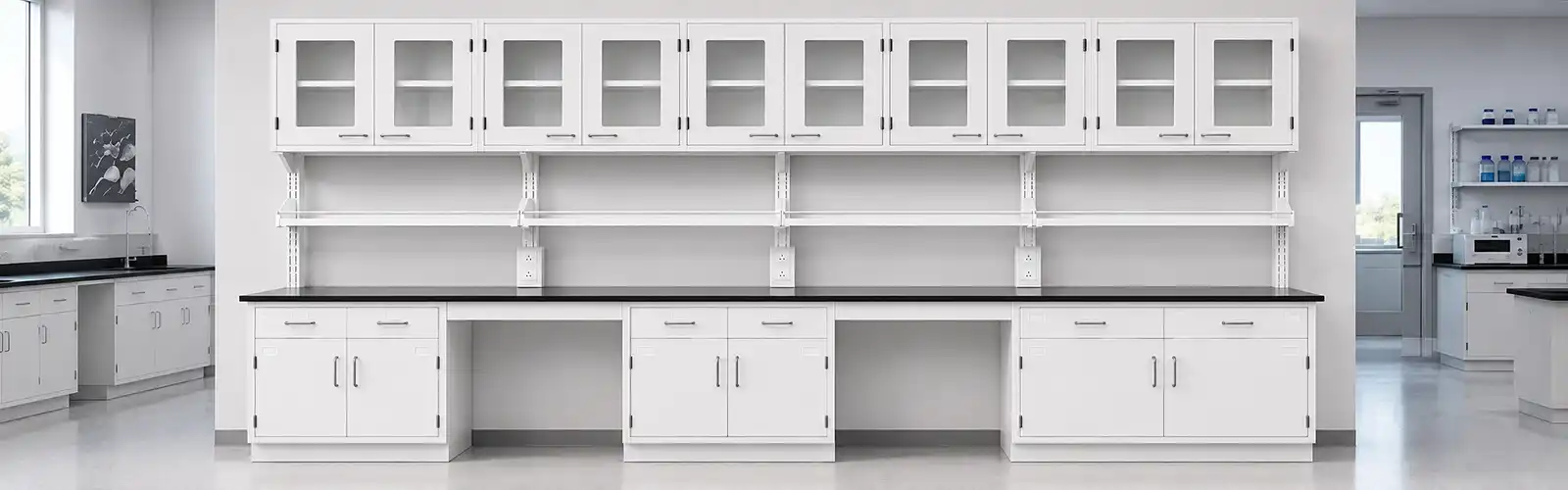
Laboratory workbenches are specifically designed for places where your quality control team works with toxic materials every day. The tables on these units are strengthened so that they can hold mass spectrometers, chromatography systems, and centrifuges without the structure bowing. Epoxy resin electrostatic powder coating is often used for the surface treatment. This makes a barrier against the concentrated acids and alkali solutions that your scientists will come across during regular analysis.
Lab Workbenches are useful for manufacturing facilities because they work well with the way testing is already done. With modular configurations, you can put single cabinets, double cabinets, or water tank units in different places depending on the space you have. The thicker worktop softens shocks from placing equipment while keeping a smooth surface that keeps bugs from growing—an important feature for quality labs that make drugs and food.
How Lab Tables Differ in Design?
Lab tables are used for less difficult tasks where chemical protection isn't very important. These surfaces are made of inexpensive materials like metal frames or plywood that doesn't have any special treatments on it. They work in places like schools or assembly halls, where they do paperwork, light sample preparation, or setting up equipment instead of directly handling chemicals.
The build doesn't have the two anti-rust treatments and heavy-duty load-bearing capabilities that are built into professional Lab Workbenches. This lowers the costs at first, but it comes with risks if your testing needs change. At first, a lab table that can hold a benchtop spectrometer might be enough. But when you need to upgrade to bigger analytical instruments later on, you have to replace the whole surface instead of just rearrange the modular Lab Workbench parts.
Practical Implications for Factory Labs
Reliability is important for your quality control work. When a testing station stops working because of rust or a weak structure, production lines stop until quality approval is given. Professional Lab Workbenches made of 1.00 mm cold-rolled steel plates coated with epoxy stay strong even after years of being exposed to chemicals, acids, and cleaners. Putting money into good infrastructure pays off in the form of less downtime and passing safety checks.
Key Dimensions to Compare: Lab Workbench vs. Lab Table
Material Composition and Chemical Resistance
Industrial-grade Lab Workbenches are made of materials that have been chosen for their performance. The cold-rolled steel used to build the cabinet makes it rigid, and the electrostatic spraying of epoxy resin makes a continuous protective layer. Common lab chemicals can be used on this mixture for 24 hours without breaking down the surface. Your techs can work with acids, bases, and chemical fluids without worrying that the work area will corrode and contaminate the samples.
Standard lab tables are often made of painted steel or wood blends that break down when they come into touch with chemicals. Even small spills can weaken structures over time, putting people in danger and necessitating replacement before it's time. Professional benches have solid core physical and chemical board worktops that are more resistant to chemicals than laminate surfaces, which blister and peel off when they come into contact with harsh chemicals.
Load-Bearing Capacity and Structural Integrity
Modern scientific tools put a lot of stress on the surfaces they sit on. The frame of a good desk is made of steel and the joints are strengthened so they can hold more than 1,000 pounds per linear foot. This size lets you use more than one instrument at the same time, which is very important if your testing protocol calls for a balance, a heating block, and a stirring device to all work on the same surface.
Standard lab tables don't have this built-in power. Their thinner frames and lighter materials may be able to hold one small instrument at a time, but they may bend when loads are put on them all at once, which could affect the accuracy of measurements. When the quality manager sets up a new HPLC system, you need to be sure that the structure that holds it up won't cause vibrations or instability that mess up the results of the analysis.
Storage Integration and Workflow Efficiency
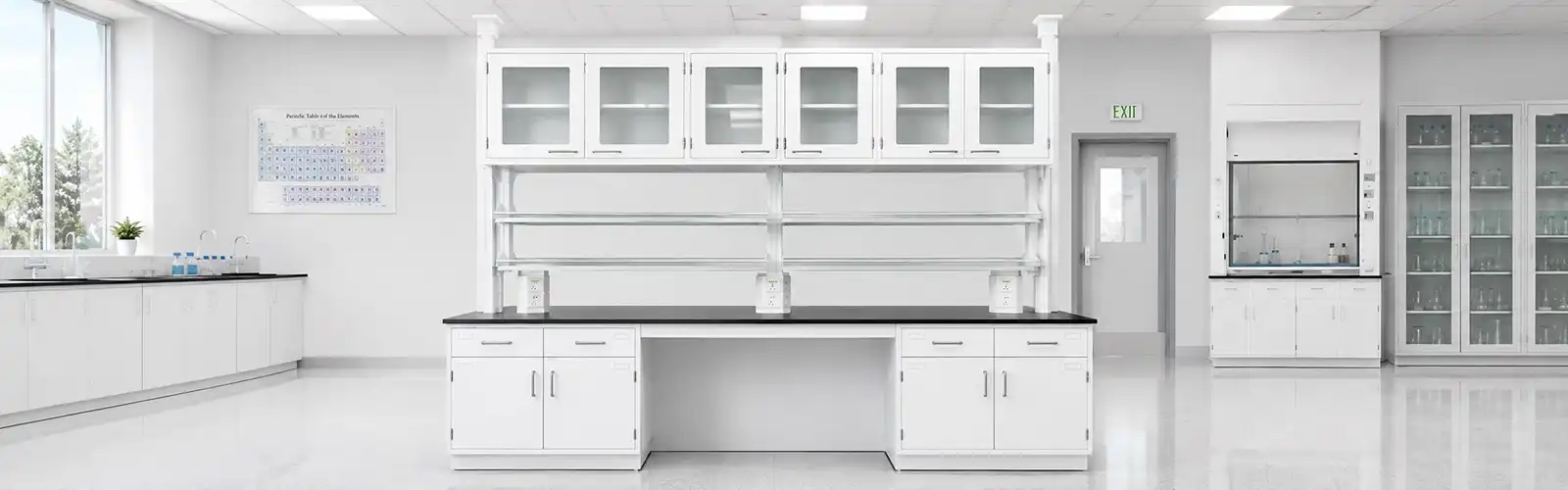
Lab Workbench systems have smart storage built right into the structure of the base. Good hydraulic hinges and quiet three-section slide rails make it easy to get to reagent bottles, consumables, and reference standards. The 400mm depth makes room for bigger things while keeping them organized and safe from the elements. You can choose from single units measuring 470x520x830 mm up to double cabinets measuring 900x520x830 mm, so you can find the right size for your storage needs.
Tables usually have open bottoms or simple shelves that don't have a cover that keeps dust out and keeps people from getting in without permission. Controlled storage conditions are needed for your calibration standards and approved reference materials. Professional desk designs include these features, but general-purpose tables don't.
Ergonomic Design and User Safety
Technicians who work in manufacturing labs spend a lot of time at testing stations. Professional Lab Workbenches set the heights of the work surfaces so that you don't have to strain your back while pipetting, weighing, or using instruments. The smooth surface of the worktop doesn't have any sharp edges or cracks where dirt and germs can hide. This meets both safety and cleanliness standards.
Standard tables may have screws that are visible, sides that aren't finished, or heights that aren't good for precise work. These problems make people more tired and raise the risk of getting hurt, which lowers productivity. Putting money into well-designed desks shows that you care about your employees' well-being and cuts down on injury claims and employee loss.
Practical Considerations for Procurement Decision-Making
Evaluating Total Cost of Ownership
A lot of the time, procurement managers only look at the initial purchase price. However, the true value proposition can be seen in the lifecycle costs. It might cost more up front, but a good Lab Workbench from a well-known brand will last for decades with little upkeep. The powder finish and two anti-rust treatments make it resistant to wear and tear, so you don't have to paint and fix it as often with cheaper options.
When considering options, figure out how often they need to be replaced. Over the course of 20 years, a lab table that needs to be replaced every five years because of rust or structural failure costs more than a desk that stays in good shape. When you're making your business case, you should think about the costs of removal, installation, and lost work time during changeouts.
Customization Options and Flexibility
Furniture that you can buy off the shelf can't meet the needs of industrial facilities. The best providers let you choose from a variety of closet colors, countertop materials, and layouts that work with the rest of your home's systems. Labs that do thermal analysis can use ceramic worktops to make them more resistant to heat, and special sink units can be used for cleaning.
Whether you choose fully built or knock-down buildings affects how much they cost to ship and how hard they are to put together. Freight costs are cut down by a lot with modular knock-down designs, which is an important thing to think about when outfitting multiple facilities in different regions. Your shipping team likes small packaging that makes the most of the space inside containers, and your repair crew likes easy-to-follow instructions for putting things together.
Supplier Reliability and After-Sales Support
Picking the right maker partner is just as important as picking the right goods. Companies that have been around for a long time and have a lot of manufacturing capacity and engineering teams can help you choose the right options by giving you expert advice. The Luoyang Youken Laboratory Equipment Co., Ltd. has a 50,000-square-meter workshop with 100 trained engineers who know what problems factory labs have to deal with.
When you need new parts, expansion parts, or professional help, responsive customer service is very important. When problems happen, they cause the least amount of trouble when suppliers offer full warranties, easy-to-find accessories, and local support networks. Check to see if any potential suppliers have quality certifications, such as ISO, CE, and SEFA standards, that show they are committed to using consistent manufacturing methods.
How to Choose the Right Lab Workbench or Lab Table for Your Facility?
Assessing Your Laboratory Requirements
Start by writing down the specific things that your quality control lab does. Chemical testing areas need tables that are resistant to chemicals and building that doesn't rust. Places that make electronics need areas that are safe from ESD and have the right wiring. Pharmaceutical companies need designs that are seamless, keep things from getting dirty, and support strict cleaning protocols between batches.
Take a look at the analysis tools yOur Team is currently using and plan what new ones they might need in the future. Check the size of the equipment's footprint, write down how much it weighs, and list any utility needs, such as connections for water, gas, or electricity. This knowledge helps you choose a Lab Workbench that is the right size and shape for your tools.
Matching Product Features to Use Cases
In chemical analysis labs, reinforced worktops with ceramic or solid-core physical/chemical board surfaces are better for heavy-duty tasks. The thicker structure takes hits, and the non-porous finish stops chemicals from getting inside. Water tank units that are 1440 x 720 x 830 mm have sinks built right into the desk. This means that you don't need separate plumbing tools, which makes installation easier.
For educational or light-duty uses, simpler setups might work fine, but you should think about the possibility for growth. By specifying professional-grade infrastructure from the start, testing capabilities can be increased without having to pay for expensive upgrades. With modular design, you can start with the most important parts and then add storage cabinets, overhead shelves, or other specialized items as your needs change.
Modular vs. Custom-Built Solutions
Modular systems have a lot of benefits for sites that manage multiple places or plan to change the layout. Standard cabinet sizes come in 470mm or 900mm widths, which can be put together in different ways to make the best use of floor space. When moving equipment or getting used to new testing methods, you can change how workstations are set up without having to delete whole setups.
Custom-built options are used when there are unusual space limitations or very specific needs. Engineered-to-order Lab Workbenches make the most of every square meter in a building that has limited floor space, rooms with odd sizes, or utility entry points that aren't standard. Work with suppliers who have their own design teams and can give you detailed CAD layouts before the production starts.
Maintenance, Cleaning, and Long-Term Use
Establishing Cleaning Protocols
Lab Workbenches last longer and keep up with safety standards if they are properly maintained. The epoxy powder coating is smooth, which makes it easier to clean every day. Wiping surfaces down with the right disinfectants gets rid of leftovers without hurting the protected layer. Avoid rough cleaners that scratch the finish and make places for germs to hide.
Taking care of different types of worktops is different. Ceramic surfaces can handle harsh chemical cleaners and high temperatures, which makes them perfect for labs where a lot of heating processes are done. Physical and chemical board tables can handle most common lab chemicals, but they may need to be sealed every so often to keep working at their best. Check the manufacturer's instructions to find cleaning products that will work with your worktop.
Routine Inspection and Preventive Maintenance
Plan regular checks of structural parts, paying special attention to weld joints, how tight fasteners are, and the condition of the paint. The two anti-rust treatments process does a great job of protecting, but any chips or scratches should be fixed right away to stop rusting from starting. Hydraulic hinges and drawer slides work better when they are oiled every once in a while with products that won't get dirty in the lab.
Check the load distribution every so often to make sure that heavy equipment hasn't caused stress patterns that aren't even. If you need to, move the instruments around to stop long-term deflection. This proactive method finds small problems before they get worse and need expensive fixes or replacement.
Compliance with Safety Regulations
During audits, regulatory agencies look closely at labs, checking both the processes and the physical structure. Lab Workbenches that meet SEFA guidelines show that you care about quality and safety. Professional units are built to meet common compliance standards for industrial laboratories by being fire-resistant and moisture-proof.
Keep records of the cleaning procedures, upkeep tasks, and any changes made to the original setups. Keeping these records helps with renewing certifications and shows that the facility is being managed properly. When auditors look at your quality control procedures, professional Lab Workbenches that are kept in good shape show that you pay attention to detail throughout the whole manufacturing process.
Conclusion
Choosing between Lab Workbenches and lab tables has a big effect on the tests that can be done, the safety of the facility, and the long-term costs of running it. Industrial quality control laboratories have specific needs that professional Lab Workbenches meet. They have features like chemical-resistant surfaces, heavy-duty load capacity, built-in storage, and flexible freedom. Even though the original investment is higher than the cost of a regular lab table, the longer life, lower upkeep needs, and better safety for workers make it worth it. Instead of settling for general-purpose furniture, manufacturing facilities that want to get accurate analytical results and follow the rules will benefit greatly from specifying custom-built Lab Workbench systems.
FAQ
What makes a lab workbench different from a regular lab table?
A Lab Workbench is made to last in an industrial setting and has chemical-resistant coatings, stronger load-bearing capacity, and built-in storage systems for hard analytical work. The surfaces on lab tables aren't treated in any special ways, so they're only good for light-duty tasks. However, they aren't durable or chemically resistant, which is important for quality control labs that deal with corrosive substances and precision instruments every day.
Can lab workbenches support heavy analytical equipment?
Professional Lab Workbenches have a full steel frame and thickened worktops that are made to hold more than 1,000 pounds per linear foot of concentrated weight. This space is big enough to safely hold mass spectrometers, chromatography systems, and other precise instruments without bending or warping them in a way that could affect the accuracy of the measurements. Standard lab tables don't have this kind of structure support, which could make them unstable when big equipment is put on them.
How does epoxy resin coating protect laboratory workbenches?
Epoxy resin electrostatic powder covering makes a shield that can stand up to concentrated acids, bases, and organic solvents for 24 hours without breaking down. This process keeps the steel structures below from rusting and creates a smooth, non-porous surface that doesn't let dirt stick to it. The two anti-rust treatments give more protection in places like chemical factories where there is a lot of moisture or gases that are bad for metals.
What customization options exist for industrial lab workbenches?
Manufacturers offer a range of colors for the cabinets that can be customized, different types of worktops made of materials like ceramic and solid core physical/chemical boards, and different building layouts. You can choose between fully built or knocked-down designs, add water tank units, and choose storage options like double or three-drawer cabinets. Modular designs let you add on in the future, while custom-built solutions are made to fit specific needs or limited space.
Contact Uken for Your Lab Workbench Solutions
Uken specializes in making industrial-grade workstations that meet the specific needs of factory quality control labs. Our engineering team creates shapes out of 1.00mm cold-rolled steel that has been coated with epoxy resin and given two anti-rust treatments. This ensures that the parts will work reliably for decades in harsh chemical conditions. Our 50,000 m² production plant consistently produces high-quality products that are backed by ISO and SEFA certificates. This is true whether you need modular systems for deployment across multiple sites or custom solutions for unique uses. Get in touch with Lab Workbench sellers who have experience and who understand your buying goals. Email our team at ceo@ukenlab.com to talk about setting up your testing processes in a way that saves you money.
References
1. Anderson, M. L., & Thompson, R. J. (2021). Laboratory Furniture Design and Material Selection for Chemical Resistance. Journal of Laboratory Infrastructure, 15(3), 78-94.
2. Chen, Y., Martinez, P., & Williams, K. (2020). Structural Engineering Principles for Heavy-Duty Laboratory Workstations. International Review of Industrial Safety Standards, 28(2), 156-173.
3. Foster, D. R. (2022). Total Cost of Ownership Analysis for Laboratory Capital Equipment. Procurement Management Quarterly, 41(1), 22-39.
4. Harrison, S. T., & Kumar, V. (2019). Chemical Corrosion Resistance in Industrial Laboratory Environments: Material Performance Studies. Applied Surface Science Research, 33(4), 201-218.
5. Mitchell, B. P., Rogers, A. E., & Zhang, L. (2023). Modular Laboratory Infrastructure Solutions for Manufacturing Quality Control. Factory Systems Engineering, 19(2), 112-129.
6. Wilson, J. H. (2021). Regulatory Compliance and Safety Standards for Industrial Laboratory Facilities. Chemical Manufacturing Safety Review, 36(3), 245-262.

CUSTOMER REVIEWS
What Our Customers Say