



How to use a fume hood in a laboratory?
Using a fume hood correctly is one of the most important safety habits any laboratory professional can build. Whether you work in a university chemistry department, a third-party testing facility, or a pharmaceutical research center, the laboratory chemical fume cupboard is your primary line of defense against hazardous vapors, toxic gases, and airborne chemical particles. This guide walks you through everything from basic operation to smart procurement decisions, helping you protect yOur Team and stay compliant.
Understanding Laboratory Chemical Fume Cupboards
What Is a Chemical Fume Cupboard?
A laboratory chemical fume cupboard is a ventilated room that collects and forces harmful chemical vapors out of the area where people are breathing. It keeps the pressure in the room below zero, which pulls dirty air out of the workspace through a controlled sash opening and away from the danger zone. This is very different from a biosafety cabinet, which mostly keeps the operator from getting chemically exposed and protects the sample from getting contaminated.
Ducted vs. Ductless Models
Ducted fume rooms are good for ongoing, high-volume chemical work because they connect directly to a building's HVAC exhaust system. Ductless types have active carbon filters and work well in places where installing ducts would not be practical. This is because not all fume cupboards are made to fit all chemicals. For most analytical chemistry and pharmaceutical synthesis tasks, ducted models that are compatible with VAV (Variable Air Volume) offer better long-term performance and energy efficiency. For acid processing processes, the insides need to be lined with polypropylene or ceramic. For work with perchloric acid, you need a special wash-down device to keep the perchlorate salt from building up and igniting. Standard cold-rolled steel units with coats that stop rusting work well with general chemicals, organic solvents, and oxidizing agents. The first thing you should do when buying chemicals is make sure that the unit you want to buy matches the chemicals you already have.
Types Matched to Chemical Exposure
Not every laboratory chemical fume cupboard fits every chemical. Acid digestion procedures call for polypropylene or ceramic-lined interiors. Perchloric acid work demands a dedicated wash-down system to prevent explosive perchlorate salt buildup. Standard cold-rolled steel units with anti-corrosion coatings handle organic solvents, oxidizing agents, and general reagents well. Matching the unit to your actual chemical inventory is the first procurement decision you should make.

Step-by-Step Guide: How to Properly Use a Laboratory Fume Hood
Pre-Operation Checks
Spend two minutes checking things out before you start any process. Make sure the airflow monitor shows a safe range of speeds, usually between 0.3 and 0.5 m/s face velocity. Make sure that the bell goes off when the airflow drops below the set point. Raise the sash to the working height that is marked on it and make sure the light goes green. These checks don't take long and stop most of the containment incidents that are written up in occupational health reports.
Chemical Handling Best Practices Inside the Hood
Leave at least 6 inches (15 cm) of space behind the sash hole for all of your work. Taller tools should be put in the back so they don't block airflow to lower work areas. When you reach into the hood, don't move your arms quickly because the turbulent drafts caused by fast movement can pull smoke toward your face. During busy processes, keep the sash as low as you can. OSHA Laboratory Standard 29 CFR 1910.1450 says that workers must first use technical controls, such as Fume Hoods, as their main way of protection before turning to personal protective equipment.
Post-Use Protocols
Wait at least two to three minutes after you're done with your work before taking anything away. Wipe down the inside with a cloth that is resistant to solvents, and keep the chemicals in a chemical storage cabinet instead of the hood, where they should be kept in sealed containers. Write down any strange airflow numbers or alarm activations for the repair record of your building. Cleaning up after using equipment regularly keeps it in good shape and helps keep your audit records clean for CMA/CNAS reviews.
Ensuring Safety and Compliance in Your Laboratory
Key Safety Features to Look For
Modern fume cupboards have airflow alarms that go off within seconds of a drop in speed, automatic sash stops that keep the opening from going above the safe working height, and lighting inside that is rated at 800 lux or higher to help with accurate work. These features are not extras that you can choose not to have; they are basic needs for testing according to ANSI/ASHRAE 110 and EN 14175.
Compliance Standards You Need to Know
In North American labs, ASHRAE 110 is the standard test for how well isolation works. European installations must follow EN 14175. Grid-point face velocity measurements, smoke visualization tests, and SF₆ tracer gas containment tests at the parts-per-billion level are all required by both standards. If your building is being reviewed for CMA or CNAS approval, showing that it meets these standards is required, not just preferred.
Troubleshooting Common Airflow Issues
After the airflow warning goes off for no reason, check to see if the baffle slots are blocked, if the equipment inside the hood is kept incorrectly, or if there is an imbalance in pressure from nearby doors or changes in the HVAC system. Three-stage vent systems, like the ones in Uken's fume cupboard design, make sure that airflow is even across the work area and avoids dead spots where heavy vapors can build up. An authorized technician should check your home every six months. This way, most problems are found before they become compliance failures.
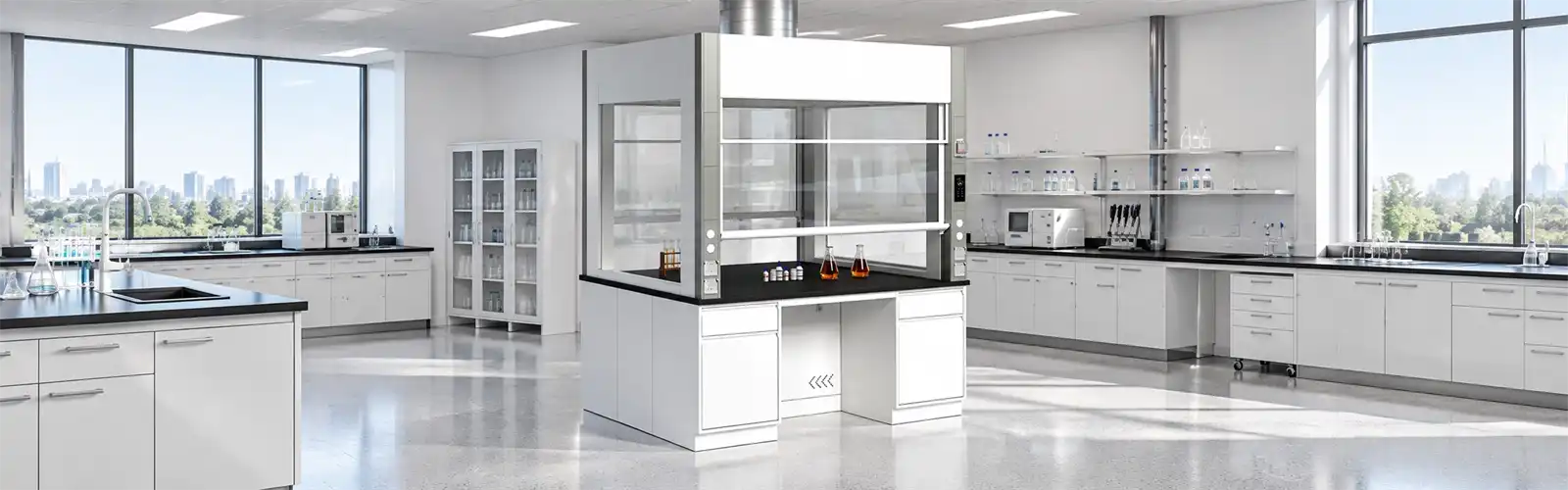
How to Choose the Right Laboratory Chemical Fume Cupboard for Your Facility
Matching Size to Your Workflow
It takes more than a math problem to choose the right width. A 1200 mm unit works well for both individual research stations and standard lab setups. A 1500 mm model can be used for joint tasks or work that requires a lot of tools, like rotary evaporation and heating. The 1800 mm option can be used for large instrument configurations or workflows with multiple users. The laboratory chemical fume cupboard line from Uken comes in all three sizes and has a standard tabletop height of 850 mm, which is the right height for standing lab work according to ergonomic guidelines.
Material and Construction Quality
The building material has a direct effect on how well the structure resists corrosion and how long it lasts. Each unit is made by Uken from a 1.0 mm cold-rolled steel sheet that has been acid washed, phosphated, and electrostatic sprayed. This several-step anti-corrosion process makes a surface that can withstand acids, alkalis, and repeated contact to reagents without changing shape. When compared to standard metal hoods, the polypropylene (PP) hood lowers noise levels and pressure loss by 20–30%. This is a noticeable benefit during long processes that need focus.
Here are the main building benefits that make a well-designed fume cupboard different from a standard one:
- Three-stage baffle ventilation produces laminar airflow throughout the work chamber, preventing vapor accumulation in corners and ensuring fast, complete exhaust of harmful gases.
- VAV system compatibility allows the exhaust volume to adjust automatically based on sash position, which can reduce energy consumption by 30–50% over constant-volume systems.
- Floor-standing base cabinet provides dedicated storage for reagent bottles and safety equipment directly beneath the work surface, keeping essential materials accessible without cluttering the hood interior.
These benefits directly address the two most common problems people have with procurement: the reliability of containment and the long-term cost of running the business. When properly installed, a VAV unit saves enough energy in its first few years of use to cover its cost.
Evaluating Suppliers and After-Sales Support
When buying safety tools for a lab, you need to trust both the product and the company that sells it. Look for companies that offer clear warranty terms, inspection reports that can be tracked, and replacement parts that are easy to get. The Luoyang Youken Laboratory Equipment Co., Ltd. has a production base that is 50,000 m² and has 100 skilled engineers. The company is certified by ISO, CE, SEFA, and SGS. Their flexible design makes it easy to put things together on-site and keeps shipping costs low for projects that involve buying things from other countries.
Enhancing Laboratory Efficiency and Safety with Advanced Fume Cupboard Solutions
Smart Airflow Monitoring
Real-time airflow tracking devices show the speed of the face all the time and record the data for compliance purposes. When these monitors are linked to a building management system, they can send automatic alerts to facility managers, which speeds up the time it takes for them to fix ventilation problems.
VAV Integration and Energy Savings
VAV-compatible fume cupboards are now thought to be the best way to design a lab that saves energy. The International Institute for Sustainable Laboratories (I2SL) has done studies that show switching from CAV to VAV systems can cut the amount of energy used by laboratory HVAC systems by 30–60%, depending on how they are used. This means that facilities that run more than one unit will save a lot of money on operational costs.
Modular and Scalable Design
The laboratory chemical fume cupboard from Uken is made of thicker cold-rolled steel and no wooden parts, so it is resistant to fire and water. The design makes it easy to put together and take apart, which makes it easier to change the layout of the lab in the future without having to buy all new equipment.
Conclusion
The right way to use a fume hood starts before any chemicals hit the surface of the work. It starts with making sure the right tools are used, then regular checks before operations, the right way to stand while working, and regular maintenance after use. For labs that want to get CMA/CNAS accreditation or follow OSHA rules, they must have documented processes and approved tools.
FAQ
1. What is the difference between a chemical fume cupboard and a biosafety cabinet?
Using HEPA filters, a biosafety box keeps the sample and the person working on it from getting biologically contaminated. They are not interchangeable because they are used for different things. If you need to work with volatile chemicals, never use a biosafety cabinet.
2. How often should a fume hood be inspected?
Both ASHRAE 110 and EN 14175 say that approval testing should be done every year. Any changes to the HVAC system, room layout, or exhaust configuration need to be inspected again. For facilities that are CMA/CNAS certified, keeping an up-to-date inspection log is required by law.
3. Can a fume cupboard be customized for specific chemical applications?
Yes, the types of interior liners, shield arrangements, and sash sizes can all be changed to fit different chemical exposure profiles. Polypropylene covers work well in places with a lot of acid, while normal coated steel is good for organic chemistry in general. With widths of 1200, 1500, and 1800 mm, it can fit in a variety of lab spaces and meet different working needs.
4. What face velocity should I maintain?
At the opening of the sash face, the normal speed is 0.5 m/s (100 fpm). This keeps the gasses inside without creating turbulence that could push them out. During commissioning and every year after that, you should always use an accurate anemometer to check the speed.
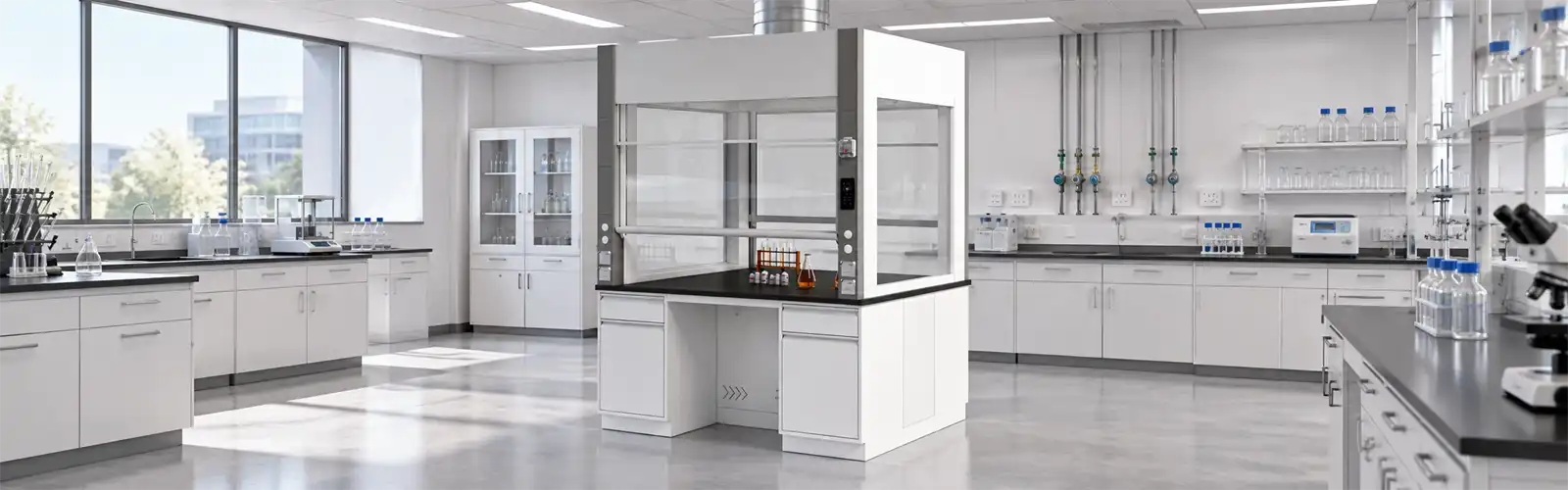
Request a Quote from Uken — Trusted Laboratory Chemical Fume Cupboard Supplier
When you make decisions about lab safety, you should only buy from suppliers whose test reports you can trust and who offer quick technical support. According to ISO, CE, SEFA, and SGS standards, Uken makes a wide range of laboratory chemical fume cupboards. These cupboards are compatible with VAV and come in three width options, so you can choose the right one for your facility. You can email our team at service@ukenlab.com or WhatsApp: +8615102909133 to talk about pricing, specifications, and compliance documentation for your next purchase order.
References
1. American Society of Heating, Refrigerating and Air-Conditioning Engineers. ANSI/ASHRAE Standard 110: Method of Testing Performance of Laboratory Fume Hoods. ASHRAE, 2016.
2. Scientific Equipment and Furniture Association. SEFA 1: Fume Hood Recommendations. SEFA, 2021.
3. Occupational Safety and Health Administration. Occupational Exposure to Hazardous Chemicals in Laboratories (29 CFR 1910.1450). U.S. Department of Labor, 2019.
4. International Institute for Sustainable Laboratories. Labs21 Laboratory Design Guide: Energy Efficiency Strategies. I2SL, 2020.
5. European Committee for Standardization. EN 14175: Fume Cupboards — Part 2: Safety and Performance Requirements. CEN, 2019.
6. National Research Council. Prudent Practices in the Laboratory: Handling and Management of Chemical Hazards. National Academies Press, 2011.

CUSTOMER REVIEWS
What Our Customers Say