



Best Lab Tables With Storage for Modern Laboratories
When you're managing a laboratory construction project in regions like Saudi Arabia, Kenya, or Kazakhstan, you need workstations that can withstand demanding environments while delivering every feature your client expects. Lab Tables With Storage represent the backbone of efficient laboratory operations—they consolidate workspace and organization into one robust unit, reducing supplier complexity and installation time. These specialized workstations combine corrosion-resistant surfaces with modular cabinetry, allowing your project teams to meet technical specifications while maintaining tight delivery schedules. For engineering companies managing turnkey laboratory projects, selecting the right storage-integrated tables means hitting acceptance milestones without the headaches of coordinating multiple vendors or dealing with post-installation failures.
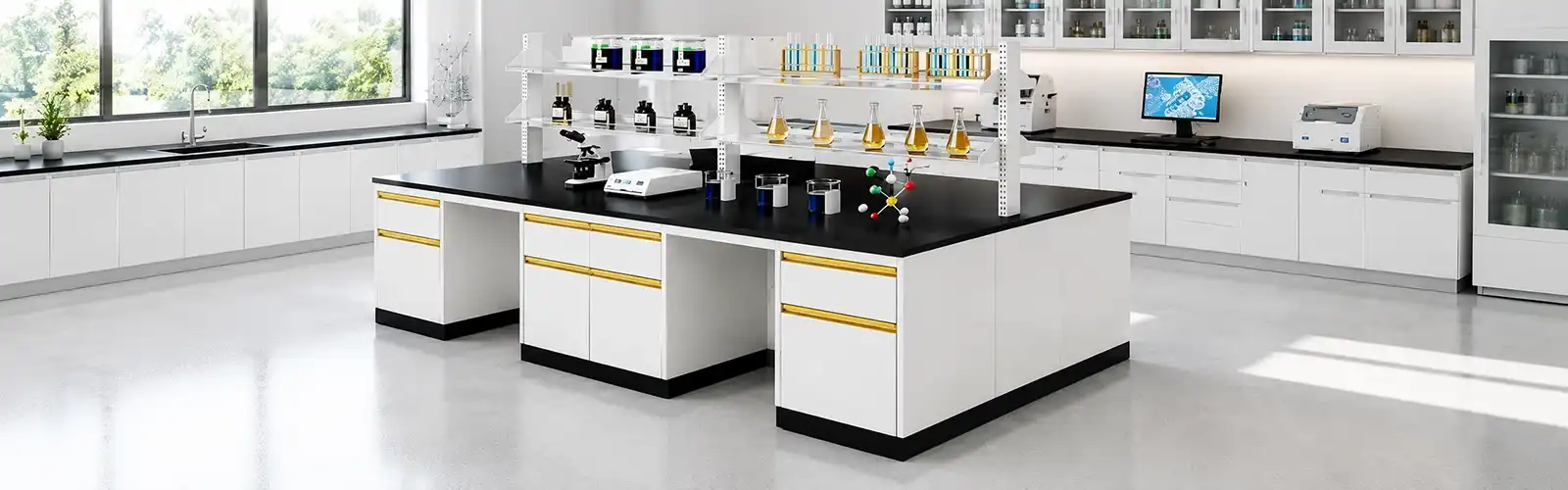
Understanding Lab Tables With Storage: Types and Benefits
These days, Lab Tables With Storage are more than just chairs with drawers under them. They were carefully designed to solve real problems that your clients' businesses face every day.
Fixed Versus Mobile Configurations
Fixed Lab Tables With Storage: Hold your lab's layout in place and provide stable surfaces for analytical balances and microscopes that need to be able to work without shaking. Mobile versions have casters that can be locked, which lets techs change the layout of rooms as study methods change. Depending on the needs of your project, each zone will need a different type. For example, analytical areas need set systems, while teaching labs do better with mobile options.
Modular Systems Streamline Project Execution
Standardized cabinet modules that snap together during installation are used in modular designs. Compared to fully custom welding, this method cuts site assembly time by almost 40%, which is important when you have to meet deadlines for penalties in your contracts. Standardized parts also make it easier to handle extra parts, which is something your clients will ask about when they talk about warranties.
Material Durability Matches Regional Demands
Chemical and pharmaceutical labs that are located in hot, wet places need more than just powder coating. Finishes made of epoxy resin don't crack or peel when exposed to acids, alkalis, or long-term moisture. Cold-rolled steel frames that are 1.00 mm thick are strong enough to hold up to 2,000 pounds of heavy equipment. This means that your furniture won't bend under centrifuges or autoclaves. These choices about materials have to do directly with the tests that your clients' quality inspectors will do before the final acceptance.
From medical tests to putting together electronics, these Lab Tables With Storage are essential because they keep chemicals, glassware, and tools all in one place and within easy reach. This lowers the risk of cross-contamination and speeds up the work process. If your procurement team knows about these setups, they can choose tools that will last decades of heavy use instead of needing to be replaced every five years.
How to Select the Best Lab Table With Storage for Your Laboratory Needs?
It's not enough to just match a catalog number to a budget line to pick the right Lab Tables With Storage. The way you choose who gets the job should be similar to how your clients will judge the finished project.
Define Functional Requirements Before Comparing Prices
Start by making a list of what the lab needs to run. Can the room handle materials that are corrosive and need concrete countertops? Does the client need power outlets every 600 mm for more than one instrument? Are different types of drawers more important than shelves that are open? If you answer these questions before asking for prices, you won't have to pay for expensive change orders when yOur Team finds that the stock model is missing important features.
Evaluate Structural Load Capacity Against Equipment Lists
There are probably equipment schedules in your project materials that list the model numbers and weights of spectrometers, incubators, and other tools. Compare these to the stated static load capacity of the Lab Tables With Storage. For a training lab, a table that can hold up to 1,000 pounds might be enough, but in a pharmaceutical quality control area, equipment groups that weigh more than 1,500 pounds are often put on single benches. If you don't take this parameter into account, the countertops will sag and the client will complain during acceptance testing.
Assess Supplier Delivery Reliability and Technical Support
Delivery delays for Lab Tables With Storage can slow down the whole project, making it take longer to build Fume Hoods, connect utilities, and do final checks. When you're looking at different providers, give more weight to those that offer guaranteed production windows, which are usually 20 to 40 days for custom setups and include penalties for missing those dates. Technical support is also important. Suppliers who offer installation drawings, assembly videos, and responsive engineering contacts make it easier for you to oversee the installation process and reduce the number of mistakes that need to be fixed, which can cost a lot of money.
Match Design Modularity to Future Expansion Plans
Within three to five years of opening, lab directors usually add to the research that can be done. Knock-down Lab Tables With Storage can be taken apart and put back together again without having to tear down whole systems. When your client asks why they should pay 15% more for modular units instead of welded-in-place options, this freedom becomes a selling point. Long-term value comes from being able to move or add to storage space without having to use a forklift and patch up concrete.
These evaluation criteria turn vague buying feelings into choices that can be defended. Using this organized method will help you make equipment choices that will stand up to client scrutiny and keep the project from going over budget due to "scope creep."
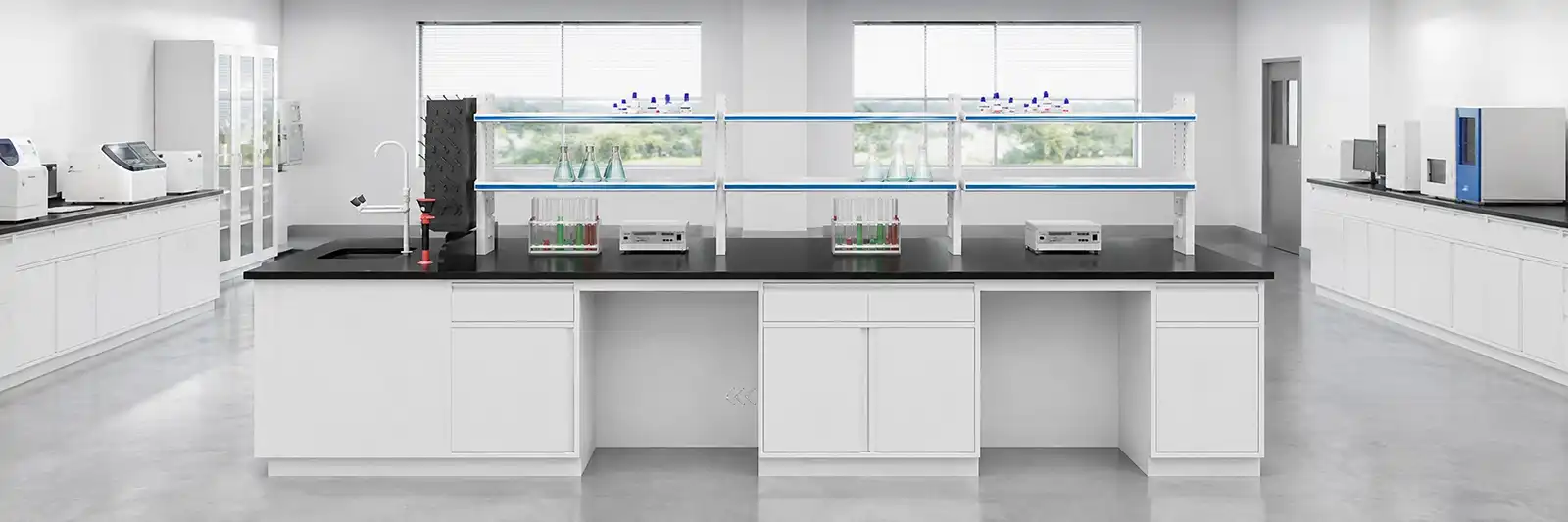
Top 7 Lab Tables With Storage for Modern Laboratories in 2026
Tests and feedback from the industry show which Lab Tables With Storage designs consistently meet the needs of turnkey projects in the pharmaceutical, educational, and industrial sectors.
Heavy-Duty Steel Workstations with Epoxy Coating
The units are made of 1.00 mm cold-rolled steel that has been treated with acid cleaning, phosphating, and other anti-corrosion steps before being finished with an electric spray of epoxy resin. The end result can stand up to chemicals that would eat away at other materials in months. Customers who put these in quality control labs say that the surfaces are still in good shape after three years of being exposed to sulfuric acid and sodium hydroxide solutions every day. With load capacities of up to 2,000 pounds, they can hold Lab Tables With Storage equipment stacks without bending. The price of these Lab Tables With Storage represents the engineering investment, putting them in the premium category and making them ideal for projects where the longer life of the equipment supports higher initial costs.
Modular Knock-Down Units for Fast Installation
Engineering firms that are working on multiple projects at the same time, like Lab Tables With Storage that cut down on the need for site workers. When compared to pre-assembled options, modular designs come in smaller boxes, which cuts shipping costs by 30%. Using simple hand tools, installation teams can put together whole Lab Tables With Storage in less than two hours, so they don't need expert welding crews. This speed is important if your deal has tight dates for commissioning. Testimonials from clients show that these systems allow small teams to install furniture on-site without calling in extra help, which keeps project budgets from going over budget for overtime costs.
Ergonomic Height-Adjustable Models
More and more, regulatory bodies are requiring ergonomic workplace standards, which is pushing lab managers toward Lab Tables With Storage that can be adjusted for height. These units have electric or pneumatic lift systems that let you change the height of the tabletop from 750 mm to 1,050 mm. This makes them suitable for a wide range of users and tasks. Even though the more complicated mechanics make each unit cost 20% more, this investment stops repeated strain injuries that lead to worker's compensation claims. This is a risk that the safety managers at your end clients' companies look closely at during design reviews. This flexibility is especially useful for projects in schools that need to use teaching rooms for people of different heights and sizes.
Eco-Friendly Composite Surface Options
Sustainability standards like LEED are having a bigger effect on how labs are designed. These green building requirements can be met by Lab Tables With Storage with solid core physicochemical board countertops made from recycled materials. These don't lose their chemical resistance. According to SEFA 8 standards, these surfaces can handle being exposed to typical lab chemicals for 24 hours. When bidding on projects with environmental requirements, procurement teams can include these alternatives in their bids to set themselves apart from rivals who are only giving traditional materials.
Stainless Steel Models for Cleanroom Environments
Pharmaceutical factories and medical device labs that follow GMP rules must use 304-grade stainless steel construction with sealed seams to keep particles from building up. These Lab Tables With Storage meet ISO cleanroom standards thanks to their seamless welding and electropolished finishes, which make sterilization procedures easier. Bacterial colony counts stayed below detection limits after normal cleaning, which is important for making sure that controlled conditions are real. The higher prices—often twice as much as powder-coated steel alternatives—are due to the higher costs of making them and getting the right materials. However, in controlled production environments, this is still the only option.
Compact Storage-Dense Configurations
In cities, where rental prices per square meter determine design choices, lab projects are limited by lack of space. Lab Tables With Storage with high-density drawer systems and vertical cabinet arrays make the most of space while taking up as little space as possible. Units with three-drawer pedestals (470x520x830mm) and overhead shelving can group together supplies that would normally need their own storage furniture. This saves money on project furniture budgets by getting rid of unnecessary cabinets. Clients who are in charge of renovation projects in existing buildings really like these designs because they save space and still allow for full functionality within small space limits.
Customizable Utility Integration Models
For complicated analytical processes to work, Lab Tables With Storage need to be set up so that they have gas, vacuum, and electrical services built in and right where the instruments need them. Custom designs build utility poles into the structure of the Lab Tables With Storage and route services inside to keep surfaces clean and lower the risk of tripping. This way of integrating costs 25% more than other options that are fixed on the surface, but the installations are cleaner, which makes things look better during client walkthroughs and makes following electrical safety rules easier. These custom-built utility connections work best for projects that use chromatography or mass spectrometry tools.
How well these seven categories work depends on how well the Lab Tables With Storage features match up with the lab's needs. The best choice weighs short-term budget limits against long-term costs, the difficulty of installation, and the technical checks your clients will use during project acceptance.
Maintenance and Optimization Tips for Lab Tables With Storage
Even the most durable Lab Tables With Storage need regular maintenance to last as long as possible. Your suggestions for maintenance have a direct effect on how happy your clients are and how many guarantee claims they make.
Implement Routine Surface Cleaning Protocols
Chemicals that are left on Lab Tables With Storage make surfaces wear down faster, even on materials that are tough. Using pH-neutral soaps to wipe down surfaces every day gets rid of dirt and grime before it can damage the finish. Any changes in surface color or texture that show coating failure should be recorded every month. Early discovery lets touch-ups be done before damage spreads, which adds years to the life of the surface. Giving clients these simple rules during project handover stops damage from happening too soon, which can lead to guarantee claims.
Lubricate Moving Components on Defined Schedules
Hinges and drawer slides need to be oiled from time to time to keep them working smoothly and stop them from wearing out too quickly. Using PTFE-based oils every six months keeps slide bearings running quietly and stops them from locking, which puts stress on cabinet joints. This five-minute maintenance task keeps you from having to replace the whole Lab Tables With Storage components, which cost several hundred dollars per drawer. These plans and clear directions should be included in the paperwork that ends the project. This will show that your company cares about the long-term performance of the asset, not just finishing the installation.
Inspect Load-Bearing Structures Annually
Over time, vibrations from heavy tools and repeated loading processes can make screws loose. Checking the frame bolts, tabletop attachment hardware, and leveling foot changes once a year as part of a structural checkup keeps expensive instruments from breaking in terrible ways. Tightening requirements should match the torque values used for installation, which are usually between 40 and 60 Nm for main frame connections. This preventative method doesn't cost much, but it keeps mistakes from happening that could hurt employees or lead to lawsuits against your company.
Address Surface Damage Immediately
Epoxy coatings can let water and chemicals in through small chips or scratches. Touch-up kits with epoxy formulas that match the finish's color make it possible to fix these problems quickly in the field, before rust starts to form below the finish. Keeping these things in the client's care list makes it possible to respond quickly to damage, stopping small cosmetic issues from turning into structural issues that need Lab Tables With Storage replacement.
With these care methods, investments in Lab Tables With Storage go from being assets that lose value over time to long-lasting infrastructure. By giving clients clear maintenance instructions, you cut down on callbacks and build a reputation as a company that provides long-lasting value instead of leaving after the final payment.
Sustainable and Ergonomic Innovations in Lab Tables With Storage
Environmental responsibility and worker welfare issues that go beyond instant functionality are becoming more and more important in Lab Tables With Storage procurement choices.
Recyclable Materials Reduce Environmental Impact
Customers who want to get ISO 14001 environmental approvals, like manufacturing methods that use reclaimed steel and low-VOC finishing systems. Lab Tables With Storage made from materials that can be fully recycled when they're no longer useful are in line with the circular economy ideas that are becoming more popular in how institutions buy things. These factors rarely become more important than basic performance requirements, but they help set one proposal apart from others that have similar technical requirements. Putting these qualities in the spotlight in your project documentation shows that you are aware of how client priorities are changing beyond just following the rules.
Adjustable Features Support Diverse User Populations
People who work at fixed-height Lab Tables With Storage have to change how they sit to fit the furniture, not the other way around. Height-adjustable options are good for people who use wheelchairs, people of different heights, and jobs that need different working positions. This makes everyone feel like they belong, which lowers the risk of joint disorders that cause workers' compensation claims and lost work time. In places with strict rules about occupational health and safety, these features are going from being optional upgrades to being required for all projects. This trend should be taken into account in the specification process, and adjustable Lab Tables With Storage should be seen as investments for the future rather than useless extras.
Energy-Efficient Manufacturing Reduces Carbon Footprint
Suppliers with production plants that are ISO 14001-certified use energy management systems to cut down on industrial emissions. End users don't usually ask about the carbon footprint of individual pieces of furniture, but institutional buyers who are in charge of sustainability scorecards are asking for this information more and more. By working with makers who can give you environmental product declarations and carbon accounting data, you can get your company ready for when green purchasing rules start to apply to Lab Tables With Storage as well.
Strategic buying teams know that the sustainable features that aren't required today will be required tomorrow. By using these new ideas now, you can avoid the cost and trouble of having to replace furniture too soon when rules get stricter.
Conclusion
When choosing the right Lab Tables With Storage, you have to balance short-term budget concerns with long-term performance standards that your clients will apply through acceptance testing and guarantee claims. Lab Tables With Storage with strong storage, chemical-resistant surfaces, ergonomic designs, and modular construction make it easier to get things done while also being durable enough to last for decades of heavy use. If you know about the properties of materials, how much they can hold, and how often they need to be maintained, you can turn looking through catalogs into smart asset selection that protects your project margins and client relationships. Details like corrosion treatment methods, drawer slide ratings, and supplier delivery reliability are what set apart good Lab Tables With Storage from great ones. These details can only be found through systematic evaluation, not price-focused bidding. Your image depends on setups that work even after the warranty time is over.
FAQ
What countertop material best resists chemical exposure in pharmaceutical laboratories?
The solid core physicochemical board is very resistant to a wide range of chemicals and can be used for regular quality control work in the pharmaceutical industry. Ceramic countertop upgrades offer better protection in places where acid or base levels are higher than what is normally found in a lab. Both choices can stand up to normal SEFA 8 testing procedures that involve being exposed to common reagents for 24 hours without losing their surface.
Can the same amount of weight be put on movable Lab Tables With Storage as on welded ones?
When put together according to the manufacturer's instructions, properly designed modular designs with bolted connections can handle the same static loads as welded options. Units that are designed for a standing load of 2,000 pounds go through structural testing that proves these claims. It's important to follow the torque specs when putting it together, because connections that aren't tight enough lower their capacity, and connections that are too tight could damage the frame.
How long does epoxy resin coating typically last in active laboratories?
In pharmaceutical and chemical labs where basic cleaning rules keep chemicals from building up, epoxy resin electrostatic spray finishes on cold-rolled steel frames usually last longer than 10 years. This could be cut down to 7–8 years in humid seaside areas or buildings that don't have enough air flow. How long a surface lasts rests a lot on how well it is maintained, not just the coating's qualities in Lab Tables With Storage.
What lead time should procurement teams expect for custom configurations?
Standard modular setups usually ship 20 to 40 days after an order is confirmed, but this depends on how complicated the customization is and how busy the production line is. It can take up to 60 days for fully custom plans that need engineering models and sample approval. Your purchase schedule should include the time it takes for ocean freight to travel (usually 25–35 days to ports in the Middle East and Africa), as well as time for customs clearance and transport within the country.
Partner With Uken for Your Laboratory Furniture Procurement
Luoyang Youken Laboratory Equipment Co., Ltd. has a factory that covers 30,000 m² and is worked by 100 professional engineers whose sole job is to provide complete laboratory solutions that meet the high standards your projects need. Our custom-made Lab Tables With Storage are made from 1.00mm cold-rolled steel and have multiple layers of corrosion protection. They also have modular knock-down designs that cut down on shipping costs and building time, and you can choose the exact setups you need. We help engineering contractors manage difficult projects in the pharmaceutical, educational, and industrial sectors by providing guaranteed 20–40 day production windows and detailed technical documentation. Our products are certified to meet ISO9001, ISO14001, ISO45001, and CE standards. Get in touch with Uken at ceo@ukenlab.com right away to talk about your project needs with our procurement experts. We'll give you detailed quotes, custom plan drawings, and the reliable delivery promises you need to keep your lab construction on track.
References
1. Scientific Equipment and Furniture Association. (2019). SEFA 8 Laboratory Furniture Recommended Practices. Scientific Equipment and Furniture Association Press.
2. National Institute for Occupational Safety and Health. (2020). Ergonomic Guidelines for Laboratory Design. U.S. Department of Health and Human Services Publication.
3. International Organization for Standardization. (2021). ISO 14644 Cleanrooms and Associated Controlled Environments. International Standards Publishing.
4. American Industrial Hygiene Association. (2018). Laboratory Ventilation Standards and Best Practices. AIHA Press.
5. Society for Laboratory Automation and Screening. (2022). Modern Laboratory Design: Integrating Efficiency and Safety. SLAS Technical Publications.
6. Green Building Council. (2023). LEED v4.1 Guidelines for Laboratory Facilities. U.S. Green Building Council Resource Center.

CUSTOMER REVIEWS
What Our Customers Say