



Best Corrosion-Resistant Chemistry Lab Island Solutions for Chemical Laboratories
There is no doubt that the Chemistry Lab Island is the best choice for central desks in tough chemical study settings. These standalone lab workbenches with multiple entry points are the heart of pharmaceutical labs, research institutes, and chemical factories. Most procurement managers have trouble coming up with solutions that can stand up to constant exposure to damaging agents while still being safe and structurally sound. At Uken, we've designed lab island systems out of 1.00mm cold-rolled steel coated with an advanced epoxy resin electrostatic spray. These systems are very resistant to acids, alkalis, and oxidative degradation, and they also meet CE, ISO9001, ISO14001, and ISO45001 standards.
Introduction
Corrosion is still one of the biggest and most expensive problems that chemistry labs around the world have to deal with. Chemistry Lab Islands, which are centralized desks that allow people to work together from all sides, are especially at risk. Every day contact with harsh chemicals, volatile compounds, and changing humidity levels makes it so that normal laboratory furniture breaks down very quickly. This damage isn't just ugly; it also threatens the safety of the structure, taints trials, raises the cost of repair, and delays important research timelines.
To choose corrosion-resistant lab equipment, you need to know about material science, look at protective surface treatments, and make sure that technical requirements match practical needs. Whether you're a procurement director looking at suppliers for a pharmaceutical expansion or a laboratory manager planning a new facility, this guide will help you understand how corrosion works, how to choose materials, and how to make purchases that are both durable and affordable.
Understanding Corrosion in Chemistry Lab Islands
Primary Corrosion Triggers in Laboratory Settings
There are several ways that corrosion can happen in central lab computers. Even small amounts of chemical spills can leave surfaces with concentrated acids like sulfuric or hydrochloric acid. These substances get through tiny flaws on the surface and start electrochemical processes that make metal substrates weaker. Around equipment, an acidic atmosphere is made up of vapors from flammable organic solvents and reactive gases. Oxidation processes happen faster in places with a lot of humidity, especially when chloride ions from cleaning products or salty air in seaside buildings are mixed in.
Operational Consequences of Material Degradation
The effect goes beyond rust spots that can be seen. Surfaces that are corroded can hold germs and other harmful substances, which can make clean procedures important in biotech and pharmaceutical labs less safe. Weakening of the structure lowers its load-bearing capacity, which can be dangerous when holding big analytical tools. When equipment breaks down too soon, it costs more for maintenance teams to fix it, and lab operations have to stop while emergency repairs or replacements are made. Before switching to corrosion-resistant Chemistry Lab Islands, the pharmaceutical testing facility we worked with saw upkeep costs rise by 18% yearly. This shows how expensive it can be to choose the wrong materials.
Material Vulnerabilities and Design Considerations
Most standard lab furniture is made of thin-gauge metals with a basic powder covering or wood-based materials with laminate coats. These products don't have enough chemical protection. When surface coats chip or wear off, which is bound to happen in places with a lot of use, corrosive agents quickly soak into the base below. All design factors are important. Welded parts that aren't properly sealed leave cracks where chemicals can gather. Surfaces with sharp edges and complicated shapes tend to hold water. Knowing about these weaknesses helps buying teams decide if suggested solutions really fix the problems at their roots or just cover the surface.
Best Corrosion-Resistant Materials and Technologies for Chemistry Lab Islands
Advanced Protective Materials
The choice of material is the first step in making something resistant to rust. When it comes to performance, cold-rolled steel sheets that have been through a number of anti-corrosion steps work better than hot-rolled ones. As part of our production process, we acid wash to get rid of mill scale, phosphate to make a conversion layer that helps paint stick, and then use an electrostatic spray to coat the part with epoxy resin. According to ASTM B117 standards, this multi-layer method protects against salt spray for up to 500 hours.
Countertop Technologies
When it comes to Chemistry Lab Island work areas, solid-core physical boards are the best. Under high pressure and temperature, these composite materials mix phenolic resin with cellulose fibers to make surfaces that are not porous and can fight over 300 typical lab chemicals. In regular laminate counters, damage to the top layer can reveal weaker materials inside, but physicochemical boards are chemically resistant all the way through. Ceramic tops are an option for places that need to be resistant to high heat, but they make it harder to install sinks that are combined.
Protective Coating Systems
When electrostatic spray technology is used to apply epoxy resin coatings, they make uniform, hole-free walls that secure. The electrostatic process makes sure that the coating particles stick evenly to complicated shapes, like the inside of cabinets and welding joints. This coating stops the limited corrosion that happens when galvanic cells form in areas that aren't covered. The epoxy layer that has hardened is very good at sticking to things, can bend to fit changes in temperature, and is not easily damaged by chemicals, water, or UV light.
Real-World Performance Validation
After only 18 months of use, the original Chemistry Lab Islands at a biotechnology research center in California started to rust again and again. Concentrated buffer solutions and cleaning methods had worn away at coated surfaces, revealing the steel underneath. The plant had no corrosion problems during a 36-month study time after putting our full-steel modular islands with improved epoxy coating systems. Maintenance needs decreased by 64%, and the smooth surfaces made it easier to follow rules for preventing pollution, which was a key factor in their GMP-compliant processes.
How to Choose the Right Corrosion-Resistant Chemistry Lab Island Solution
Balancing Performance with Budget Realities
A lot of the time, procurement managers have to deal with the strain between upfront prices and the total cost of ownership. Premium laboratory islands that don't rust cost more up front, but they save you a lot of money in the long run by lasting longer, needing less upkeep, and not needing to be replaced. When judging offers, don't just look at the purchase price; also look at the costs over the next 10 to 15 years. Include the cost of maintenance work, downtime, and how often parts need to be replaced in your study. If you choose the right corrosion-resistant island, it will usually pay for itself in three to four years just by saving you money on upkeep.
Chemical Compatibility Assessment
Not every corrosion-resistant treatment works the same way when exposed to different chemicals. Make a list of all the cleaning agents, chemicals, and solvents that your lab uses on a daily basis. Tell possible providers about this and ask them for chemical protection data that is specific to their coatings and materials. Manufacturers with a good reputation give thorough compatibility charts that use industry standards like ASTM or SEFA 8 testing procedures. Our epoxy-coated steel systems are very strong against acids (pH 2-4), alkalis (pH 10-12), organic solvents, and oxidizing agents. This includes a wide range of chemicals used in biology, pharmaceuticals, and chemicals.
Modular Design Advantages
As teams grow and study goals change, so do the lab's needs. When it comes to freedom, modular island systems can't be beat by welded, custom-built units. Our modular design philosophy means that single cabinets (470x520x830mm), double cabinets (900x520x830mm), and special water tank modules (1440x720x830mm) can be rearranged or added to without having to replace whole systems. This flexibility saves your investment in capital while allowing for changes in the company. The knocked-down structure also cuts shipping costs by 30-40% compared to fully built units, which helps many foreign buyers who are worried about the cost of shipping.
Implementing and Maintaining Corrosion-Resistant Chemistry Lab Islands
Installation Best Practices
Installation that is done right sets the stage for long-term success. Integral welding is used for structural parts in our modular systems. This gives the modules strength and freedom. This combined method can hold more than 400 kg per square meter of weight and is still easy to put together. Installation teams should make sure that everything is placed level to avoid stress points that could damage protection coats. Integrated utility services, like water, gas, electricity, and internet links, need to have proper sealing at entry places to keep water out.
Routine Maintenance Protocols
Constant care is needed to keep protective walls in good shape. Avoid using rough tools that scratch epoxy coats and clean surfaces once a week with pH-neutral soaps and soft cloths. Take care of toxic spills right away instead of letting them stay there for a long time. Our Chemistry Lab Islands have a uniform, smooth surface that makes them easier to clean and keeps chemicals from building up in cracks or joins. The covering should be checked every three months, especially in places that get a lot of use, like drawer fronts and door edges. Finding small flaws in the covering early on lets you make quick fixes before rust sets in.
Preventive Maintenance Strategies
Facility management teams do regular checks that find new problems before they get worse. Check for stress peaks in welded seams and fastener spots that could damage coverings. Check the plumbing links inside the sink units for leaks that let water in and keep it there. Keep track of trends of wear and tear by writing down what you find during inspections. This will help you make future buying choices. We suggest that high-volume labs that work with acidic materials every day get professional evaluations once a year. When compared to reactive repair methods, this proactive approach increases the service life of equipment by 40 to 60%.
Procurement and Enterprise Solutions for Chemistry Lab Islands
Understanding Pricing Structures
Chemistry Lab Island prices depend on the quality of the materials, the form of the structure, the level of customization, and the need to meet licensing requirements. Our basic setups are cost-effective ways to handle common tasks, and our fully customizable choices can be used to work around space issues or meet specific workflow needs. Being clear about prices is important, so ask for full quotes that break down the costs of materials, surface treatments, hardware specs, and licensing paperwork. For projects that involve more than one lab room or efforts to standardize everything across the whole school, volume savings are often available. As a result of institutional buying deals, schools and government buildings can often get better prices.
Customization and Lead Times
Dimensions, utility integration, storage arrangement, and aesthetic tastes are all different for each lab. Our OEM and ODM skills allow for full customization while still meeting standards for structure and performance. The choice of color makes it possible to fit in with current lab designs or the branding of the school. Depending on how complicated the design is and how busy production plans are at the moment, standard lead times are between 20 and 40 days. For international projects, it usually takes 10 to 14 weeks from the time the buy order is placed until the project is fully operational. This includes planning procurement timelines that include manufacturing, foreign shipping, customs clearance, and installation.
After-Sales Support and Partnership
A supplier's relationship with a client goes beyond just delivering tools. Technical advice is needed when planning a project to make sure that the specs match the needs of operations and government rules. Support for installation through thorough assembly instructions or on-site technical help makes execution go more smoothly. The fact that we offer a warranty that covers all manufacturing flaws and coating fails under normal lab conditions shows that the maker is confident in the quality of the product. Customer service that responds quickly to questions, orders new parts, or plans for growth helps build long-lasting relationships that meet the changing needs of your lab.
Conclusion
Choosing lab workstations that don't rust is an investment in the safety of the building, the speed of operations, and good financial management. We looked into Chemistry Lab Island options that use high-tech materials, tried-and-true surface treatments, and well-thought-out design to withstand the harsh conditions of chemical labs. By knowing how corrosion works, comparing different material technologies, and using organized buying rules, lab managers can choose tools that will last for decades. The flexible, all-steel construction with epoxy finishing systems gives drug companies, research centers, and schools a strong base for working together on science projects. It also lowers the overall cost of ownership by requiring less upkeep and lasting longer.
FAQ
What makes corrosion-resistant lab islands different from standard laboratory benches?
Corrosion-resistant central desks are made with special materials and coverings that are designed to protect against chemicals. Unlike most benches, which are made of wood and have laminated surfaces, these islands are made of cold-rolled steel with multiple layers of protective coatings. Acids, bases, solvents, and reactive agents can't damage the epoxy resin coats as much. Also, structure design gets rid of cracks where chemicals can gather, and smooth surface finishes stop contamination from hiding. This is especially important for pharmaceutical and biotechnology uses that need to be very clean.
How do I determine the appropriate island configuration for my laboratory?
The choice of configuration is based on how work is done, the number of users, the needs for usefulness, and available space. Make a map of common experimental procedures to find the best places to put the tools. Figure out how many people can be online at the same time and how much linear room is needed. Our modular system lets you mix and match single cabinets, double cabinets, and special water tank pieces to make your own unique layouts. Surround-style action makes it easy for different researchers to work together. Talk to our design team about your floor plans and operating needs so they can come up with ideas that make the best use of the space you have.
What maintenance does epoxy-coated laboratory furniture require?
Compared to standard laboratory chairs, it doesn't need as much upkeep. Use pH-neutral cleaners and soft cloths to wipe down surfaces once a week. Clean up chemical spills right away to avoid long-term contact, but the layer can handle short-term contact with most lab chemicals. Visual checks every three months find damage to the layer that needs to be fixed. Don't use steel wool or strong cleaners that are rough and scratch protective layers. Our full-steel construction is fireproof, moisture-proof, and mildew-proof, so you don't have to worry about water damage or bacteria growth, which are problems with wood-based options.
Partner with Uken for Superior Laboratory Island Solutions
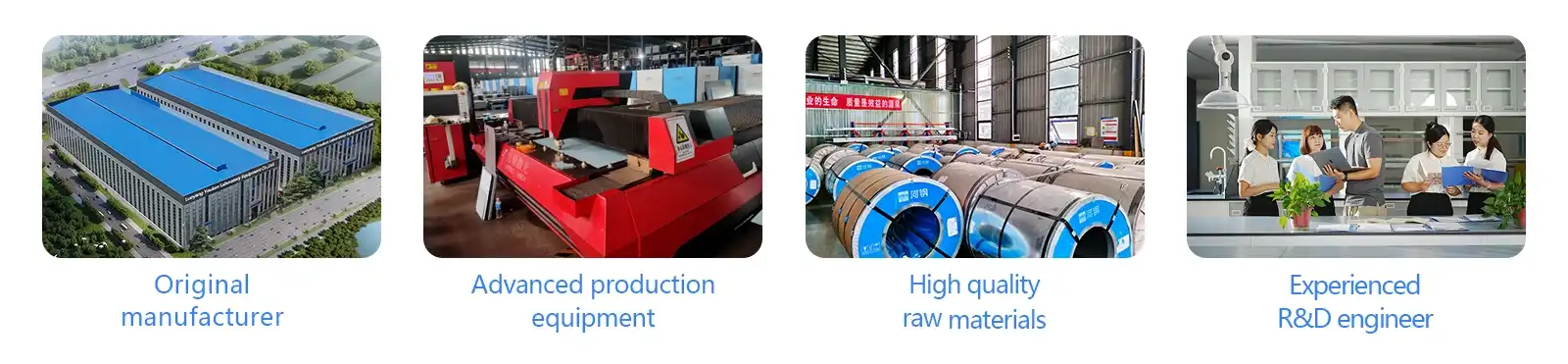
Every Chemistry Lab Island project that Uken works on has 30,000 square meters of specialized manufacturing space and 100 skilled engineers. Our full anti-corrosion treatment includes acid washing, phosphating, and electrostatic epoxy spraying. This ensures that the laboratory furniture we give meets the strict requirements of biotechnology, pharmaceutical, and chemical research settings. We know how hard it is for procurement managers to meet performance standards while also meeting price and time limits. Our modular systems keep the structure strong while lowering shipping costs, and our standards (CE, ISO9001, ISO14001, and ISO45001) give your clients the quality guarantee they need. We offer customizable options backed by quick technical help, whether you need a single unit or all the furniture for a new lab. Email Our Team at ceo@ukenlab.com to talk about your project needs and get a full quote from a reputable Chemistry Lab Island manufacturer.
References
1. Scientific Equipment and Furniture Association (SEFA). "SEFA 8 Laboratory Furniture Standard: Recommended Practices for Laboratory Furniture." Scientific Equipment and Furniture Association, 2019.
2. American Society for Testing and Materials. "ASTM B117-19: Standard Practice for Operating Salt Spray (Fog) Apparatus." ASTM International, 2019.
3. National Research Council. "Prudent Practices in the Laboratory: Handling and Management of Chemical Hazards, Updated Version. "National Academies Press, 2011.
4. International Organization for Standardization. "ISO 9001:2015 Quality Management Systems—Requirements." International Organization for Standardization, 2015.
5. Occupational Safety and Health Administration. "OSHA Laboratory Safety Guidance." U.S. Department of Labor, 2011.
6. Building Research Establishment. "Corrosion Resistance of Steel in Laboratory Environments: Testing Protocols and Performance Standards. " BRE Technical Report, 2018.

CUSTOMER REVIEWS
What Our Customers Say