



Benefits of Using Mobile Lab Furniture in Laboratories
Modern research environments demand flexibility and efficiency. A Mobile Lab Bench With Drawers transforms rigid laboratory layouts into adaptive workspaces that respond to evolving project requirements. These specialized workstations integrate industrial-grade mobility with intelligent storage, allowing research teams to reconfigure equipment placement instantly while maintaining secure access to essential tools and materials. By eliminating spatial constraints inherent in fixed casework, mobile laboratory furniture addresses critical operational challenges faced by pharmaceutical facilities, academic institutions, and third-party testing organizations seeking to maximize their laboratory footprint and accelerate workflows.
Understanding Mobile Lab Furniture: Features and Functional Benefits
What Defines Mobile Laboratory Workstations
Mobile laboratory furniture is a big change from standard furniture that stays in one place. Instead of being permanently attached to the floor, these units have heavy-duty locking casters that can support loads of up to 1,500 pounds. Teams can move analytical instruments for back-access maintenance, rearrange collaborative workspaces for different stages of a project, or make room for deep sterilization protocols by using the mobility mechanism. Integrated box systems order storage at the point-of-use, so you don't have to move around as much during complicated processes and can get to supplies right away.
Core Functional Advantages for Research Environments
Mobile workstations directly affect lab productivity because they give workers more freedom. You can avoid hours of downtime when yOur Team can move a gas chromatography system to get to calibration ports without taking apart other equipment in the area. The flexible design allows for shifting research priorities—today's mass spectrometry station can be used as tomorrow's sample processing area without any changes to the infrastructure. Organizing glassware, chemicals, and tools is easier when drawers are set up in ways that are specific to the process. This cuts down on search time and the risk of contamination during sterile procedures.
Making cleaning a lot easier is made possible when furniture moves easily away from walls and corners. This movement is very important in biosafety level 2 and 3 labs, where completely cleaning up between studies keeps samples safe and researchers safe. Quality mobility benches have smooth, chemical-resistant surfaces and finishes that don't break down when they are exposed to disinfectants over and over again. This means they meet strict regulatory standards.
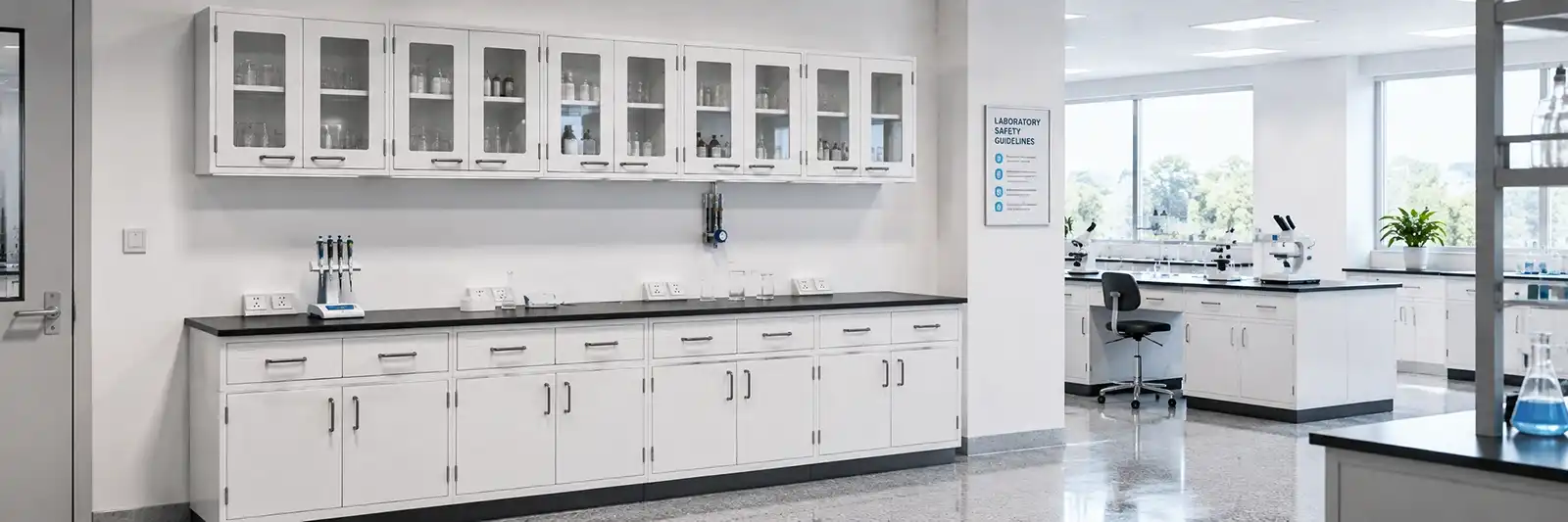
Key Considerations When Choosing Mobile Lab Benches with Drawers
Assessing Load Capacity and Structural Integrity
Your investment in equipment should be protected by choosing the right Mobile Lab Bench With Drawers furniture. Find out how much the instruments, supplies, and materials that will be used at the same time weigh all together. Premium mobile benches made from 1.00 mm thick cold-rolled steel plates provide the structural support needed for uses that can't handle vibrations, such as analytical scales and microscopes. It's important that the frame design spreads weight evenly across all of the caster contact points and keeps the whole thing level with two locking systems that work for both the turning and wheel functions.
Material Selection for Chemical Resistance
Every day, harsh chemicals are used in laboratories and touch furniture. Compared to regular powder coatings, electrostatic epoxy resin coatings are better at withstanding acids, bases, and organic solvents for 24 hours. When heated and cooled and coming into touch with chemicals, worksurfaces made from solid core physical and chemical board keep their shape. Lower-quality materials, on the other hand, may twist or delaminate. If your study includes corrosive chemicals, make sure that the drawer slides are made of stainless steel or have special finishes that keep them from seizing up over time.
Customization Options That Match Your Workflow
Standardized furniture rarely meets all of the specific needs of a lab exactly. Reliable manufacturers offer sizes that can be changed to fit different floor plans, drawer configurations that can be changed to fit the needs of storing equipment, and color choices that will fit in with the look of the lab already there. OEM and ODM possibilities let bigger institutions choose exact internal drawer dividers, specialized worksurface materials like ceramic for high-temperature uses, and the addition of power outlets or data ports. This customization makes sure that your investment in furniture fits exactly with your business needs, instead of causing workflows to change to fit generic goods.
When making your choice, you should pay extra attention to how the drawer works. Full-extension ball-bearing slides that can handle 100-pound load cycles make sure that the drawers work smoothly even when they are full of thick reagent bottles or heavy instruments. Soft-close mechanisms keep doors from slamming, which could mess up studies going on nearby, and locked drawers keep controlled drugs or private materials safe. Adjustable internal dividers can fit containers of different sizes and keep things organized even as inventory needs change.
Comparing Mobile Lab Benches with Other Lab Furniture Options
Mobility Versus Stability Trade-offs
Fixed Lab Benches offer the highest level of rigidity for tasks that need complete vibration isolation, but they make floor plans that can't be changed in the future. Dedicated storage cabinets have a lot of space, but they take up valuable floor space and don't add any worksurfaces. Mobile desks with built-in drawers like Mobile Lab Bench With Drawers fill this need by making the workspace more stable while still allowing for flexible layouts thru clever locking caster systems. When properly engaged, good locking casters make a stationary platform that's the same as a fixed installation. However, the furniture can be moved in minutes if the needs change.
Cost-Effectiveness Across Laboratory Lifecycles
The costs of buying something are only one part of the total costs of owning. Fixed casework usually needs to be installed by a professional, and it usually costs a lot more because the structure floor needs to be prepared and utilities need to be routed. The modular mobile benches come either fully built or in knock-down packaging, which means that lab workers can put them together without the help of special builders. This cuts the cost of installation by 40 to 60 percent. The adaptability also makes the equipment last longer, since teams don't have to buy new workstations when their research changes focus; instead, they can just rearrange existing mobile units in new ways. This adaptability is very helpful for college labs that work with many departments or contract research groups that handle a wide range of client projects.
Space Utilization and Ergonomic Considerations
In traditional lab layout, there are often permanent aisles and spaces between fixed benches that aren't used, which wastes space. Mobile furniture makes it possible to change how space is used. For example, high-density arrangements can be used for normal tasks, and then the units can be moved apart to make more room for equipment delivery or group training sessions. This flexibility is especially useful in older buildings with limited space or rooms with odd shapes where set installations make awkward dead spots.
There are also ergonomic benefits to being able to change where you stand. Researchers can move workstations around to get the best natural light for microscopy work, shorten the distance between frequently used tools so they are easier to reach, or set up collaborative clusters for projects that require teams. The drawer storage puts tools and materials at the best heights for working, so you don't have to bend over or reach up high as much as you do with wall-mounted storage or cabinets that are far away.
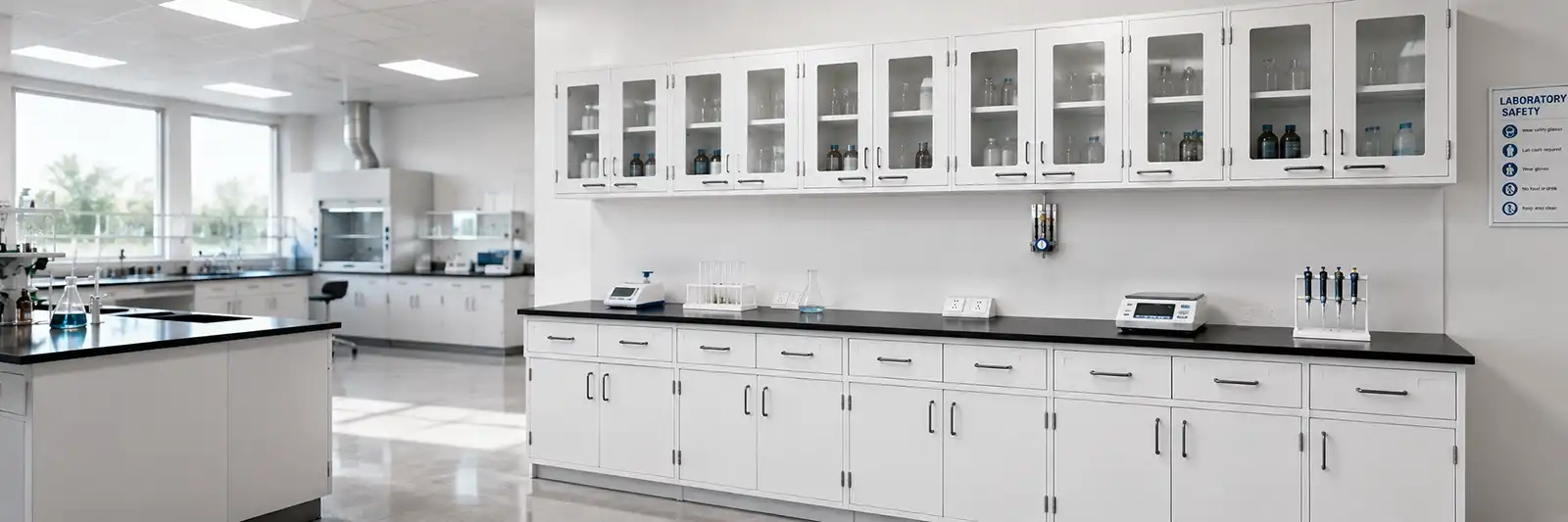
Procurement and Maintenance Insights for Mobile Lab Furniture
Strategic Purchasing Considerations
Quality sellers stand out by having a wide range of certificates, such as ISO9001 for consistent production and ISO14001 for environmental management. They may also have industry-specific certifications, such as SEFA guidelines for laboratory furniture. These certifications give customers peace of mind that the goods will work well in tough study settings and meet the needs of institutions that buy them. Check to see if manufacturers keep their production capacity at a good level. Facilities that are bigger than 30,000 square meters and have their own engineering teams show that they are stable and can handle large orders in a reasonable amount of time.
Lead times for custom mobile lab furniture are usually between 20 and 40 days. This is because of the high level of precision needed for chemical-resistant treatments and tight spec assembly. Project delays can be avoided by planning procurement cycles around this time frame. Manufacturers who offer both fully assembled and knocked-down structure options give you more logistical options. Fully assembled units arrive ready to use right away, while knocked-down packaging cuts down on shipping costs for international orders and makes delivery easier in buildings with limited access.
Warranty covering and customer service after the sale should be carefully looked at. Reliable suppliers back their mobile benches with full warranties that cover the structural integrity, the functionality of the wheels, and the finish's durability. Technical support teams that are quick to respond can help with questions about assembly, getting new parts, and fixing operating problems. This long-term relationship is especially helpful for organizations that run multiple buildings or plan phased expansions because it helps make sure that the furniture works the same way everyplace, which makes training and maintenance easier.
Maintenance Practices for Extended Service Life
Regular maintenance keeps Mobile Lab Bench With Drawers working well even after decades of heavy use. Cleaning once a week with lab-grade disinfectants that are safe for epoxy resin surfaces keeps the surface pure without damaging the finish. Every three months, check the caster wheels for debris buildup or uneven wear. Small particles stuck in the wheel gears make it harder for the wheels to roll smoothly and stay in place. Instead of petroleum-based products that attract dust in labs, lubricate drawer slides once a year with silicone-based products.
The locking systems on casters need to be checked every so often to make sure they work properly when the wheels are loaded. Every month, put horizontal pressure on the desk and test each caster lock. Any movement means that the lock needs to be adjusted or a part needs to be replaced. This preventative maintenance keeps accidents from happening when partially locked furniture moves around while precise work is being done. Fixing small problems right away stops bigger problems from getting worse and requiring full caster replacement or structural repairs.
Real-World Applications of Mobile Lab Benches with Drawers in Various Facilities
Pharmaceutical Quality Control Laboratories
For pharmaceutical quality control settings, furniture that can be easily moved around so that layouts can be changed as product lines grow is needed. Mobile desks with drawer storage put HPLC systems next to areas for preparing samples during validation studies. The systems are then moved to make room for new analytical methods that are still being developed. The chemically resistant surfaces don't stain or break down when they are exposed to methanol, acetonitrile, and buffer solutions over and over again. GMP compliance requirements are met by designs that can be used in cleanrooms and have seamless construction and surfaces that are easy to sterilize. Mobility also makes it easier to follow the strict cleaning protocols needed between product campaigns to avoid cross-contamination.
Academic Research and Teaching Laboratories
In the academic year, university labs are used for advanced research, and during course sessions, they are used for intensive training. Between these modes, mobile benches make good use of space changes. For graduate student projects, research configurations group together similar instruments. For college lab courses, these instruments are then spread out into individual workstations. Organizing and easy access to educational kits is made possible by drawer storage, which lets teaching assistants set up stations quickly between class sections. The strong design can handle the heavier use that comes with training settings, where less experienced users use the tools every day.
Biotechnology and Life Sciences Facilities
Cell growth labs need to be able to keep things clean and adjust their workflows quickly. Mobile desks that are resistant to water and have antimicrobial powder treatments can be moved easily into biosafety cabinets for cell passage procedures and then moved to make room for incubators during long-term culture experiments. The drawer systems keep pipettes, tips, and chemicals close to where they are used, so they don't get dirty from being moved around a lot. When biosafety rules say that a room needs to be deeply sterilized, moving furniture around makes it possible to check all surfaces to make sure they are clean. Flexible layouts are especially helpful for third-party testing labs that get different kinds of samples from different clients. Mobile Lab Benches With Drawers can be changed from one testing campaign to the next. For example, the food microbiology setup from today can be used as an environmental sampling workstation next week. This flexibility lets you get the most out of your tools and clients without having to add more space to your business. This directly increases your profits while keeping quality standards high.
Conclusion
Investing in Mobile Lab Bench With Drawers furniture is a smart way to improve operating freedom and long-term efficiency. The needs of modern study settings are changing, so quality desks with strong construction, smart storage, and reliable movement mechanisms are needed. Careful selection based on load capacity, material specs, and customization choices makes sure that the equipment fits with the way that labs work. These systems are flexible enough to do more than just move furniture around. As projects change, technologies improve, and institutional goals shift, they keep study spaces optimized, giving value over their long service life.
FAQ
How do I determine the appropriate weight capacity for my laboratory needs?
Find out how much your heaviest instruments, supplies, and storage items weigh together, and then add 20 to 30 percent more just in case. Standard Mobile Lab Benches With Drawers can hold between 800 and 1200 pounds, but stronger models can hold over 1,500 pounds. Check both the dynamic (moving) and static (still) load ratings, as they are very different.
Can mobile laboratory benches accommodate cleanroom requirements?
High-quality mobility chairs are made with seamless construction, epoxy finishes that don't let particles build up, and rounded sides. Choose types with powder-coated or stainless steel finishes that are allowed for use in cleanrooms. Make sure that the casters meet the standards for preventing contamination for your cleanroom class.
What customization options are available for drawer configurations?
Professional makers make modular drawer banks that come in different lengths, widths, and with different levels of internal dividers. You can choose from shallow drawers for small tools, deep drawers for reagent bottles, and drawers with special inserts for pipettes or glasses. During procurement, be clear about your exact needs so that storage is optimized for your specific workflow.
Partner with Uken for Superior Mobile Laboratory Solutions
Luoyang Youken Laboratory Equipment Co., Ltd. delivers enterprise-grade mobile workstations engineered specifically for demanding research environments. Our 50,000-square-meter production facility employs 100 specialized engineers who manufacture laboratory furniture meeting ISO9001, ISO14001, ISO45001, CE, and SEFA standards. Each Mobile Lab Bench With Drawers supplier solution features 1.00mm cold-rolled steel construction with chemical-resistant epoxy finishes, customizable dimensions, and OEM/ODM capabilities tailored to your exact specifications. Contact our team at ceo@ukenlab.com to discuss your laboratory's unique requirements and receive detailed quotations for bulk procurement.
References
1. Miller, J. & Thompson, R. (2021). Laboratory Design and Equipment Selection for Modern Research Facilities. Academic Press.
2. National Research Council. (2020). Prudent Practices in the Laboratory: Handling and Management of Chemical Hazards, Updated Version. National Academies Press.
3. Scientific Equipment and Furniture Association. (2019). SEFA 8 Laboratory Furniture Standard: Recommended Practices for Laboratory Furniture. SEFA Publications.
4. Chen, L., Rodriguez, M., & Park, S. (2022). Optimizing Laboratory Space Utilization Through Modular Furniture Systems. Journal of Laboratory Management, 15(3), 178-194.
5. European Committee for Standardization. (2018). Laboratory Furniture - Storage Units for Laboratories - Dimensions, Safety and Performance Requirements. CEN Technical Report.
6. Williams, A. & Kumar, P. (2020). Sustainable Laboratory Design: Materials Selection and Lifecycle Cost Analysis for Research Facilities. Environmental Science in Building, 12(4), 412-429.

CUSTOMER REVIEWS
What Our Customers Say