



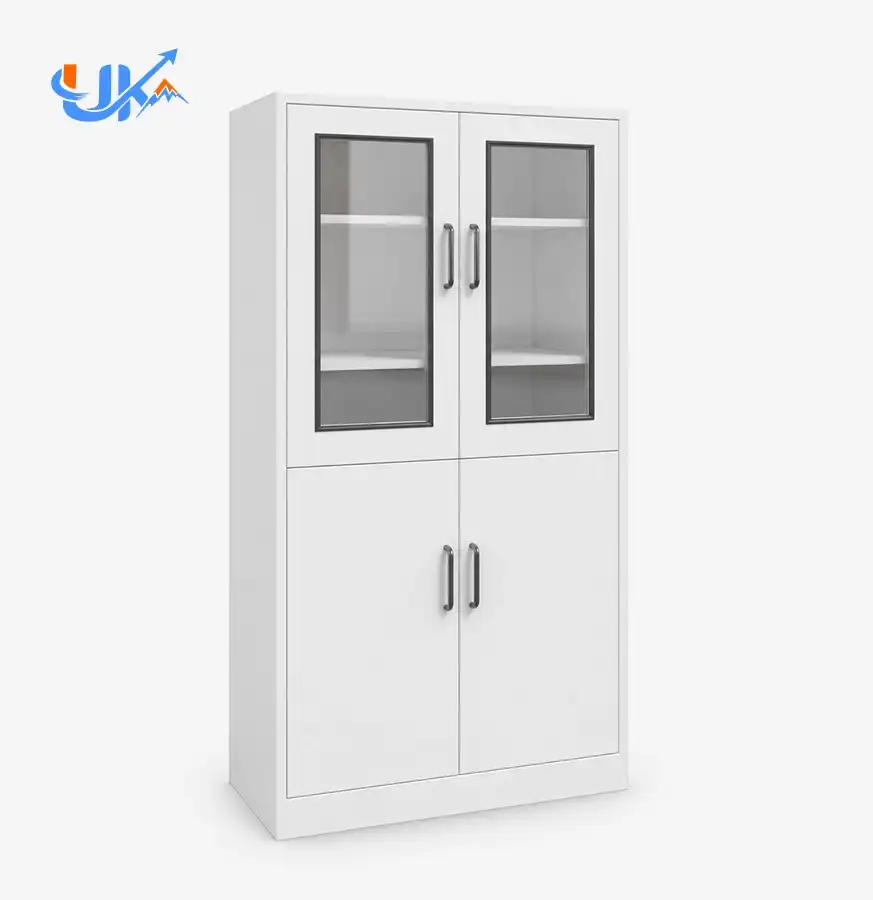
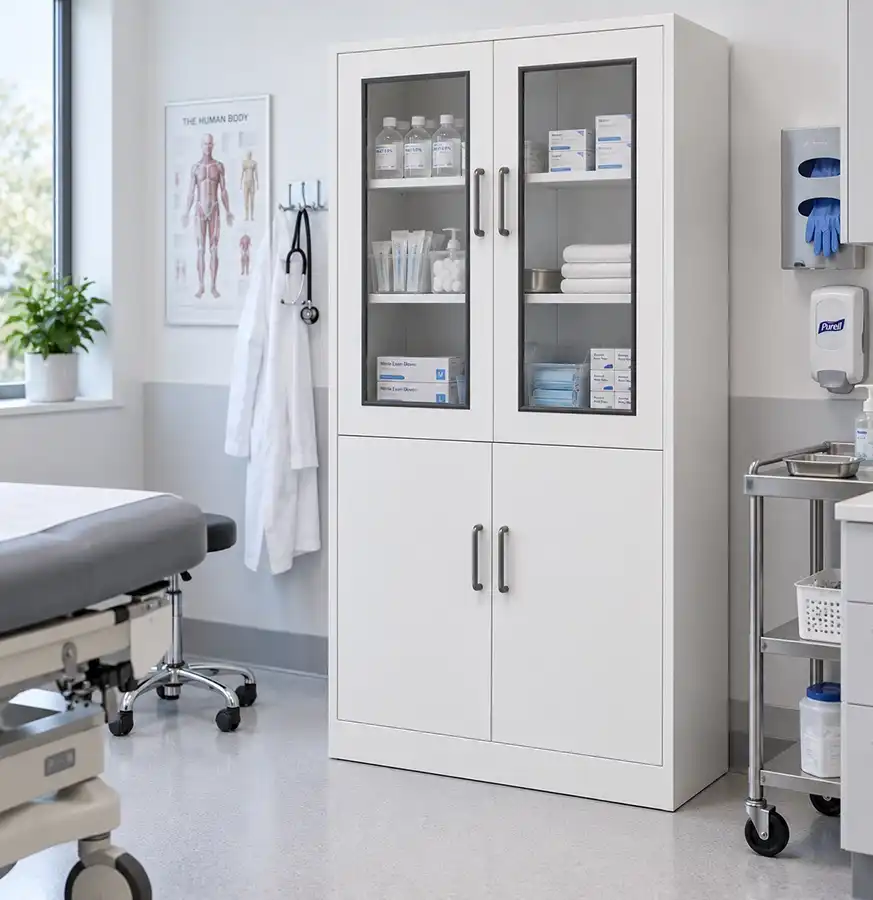
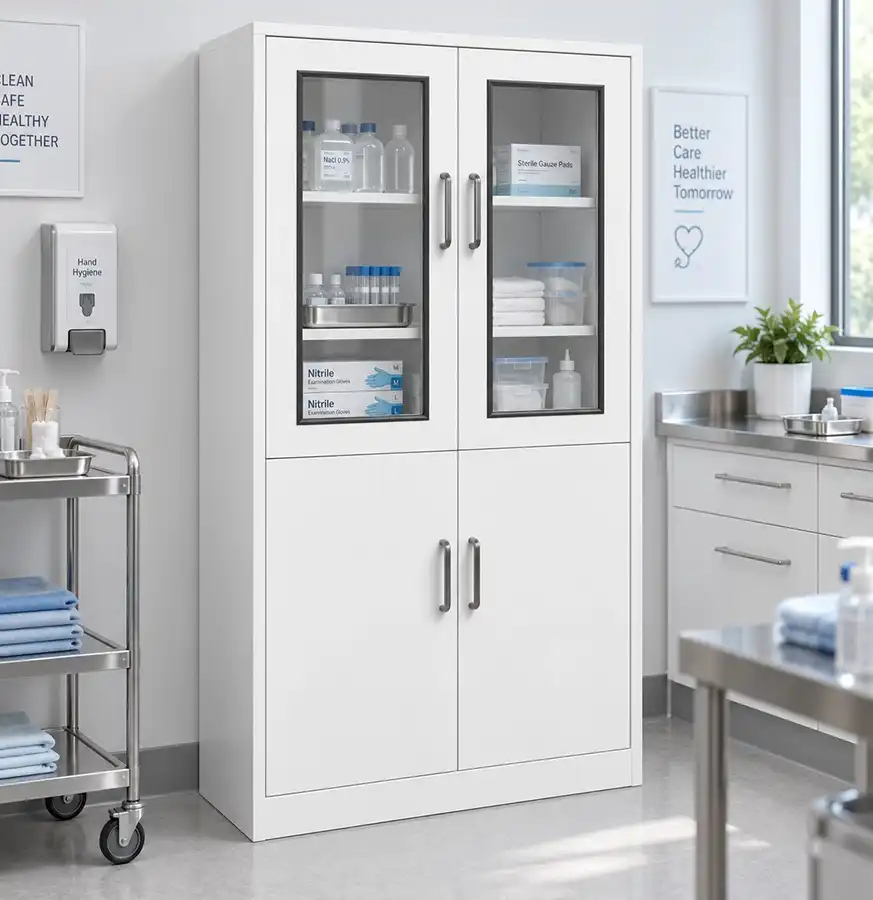

Steel Reagent Cabinet
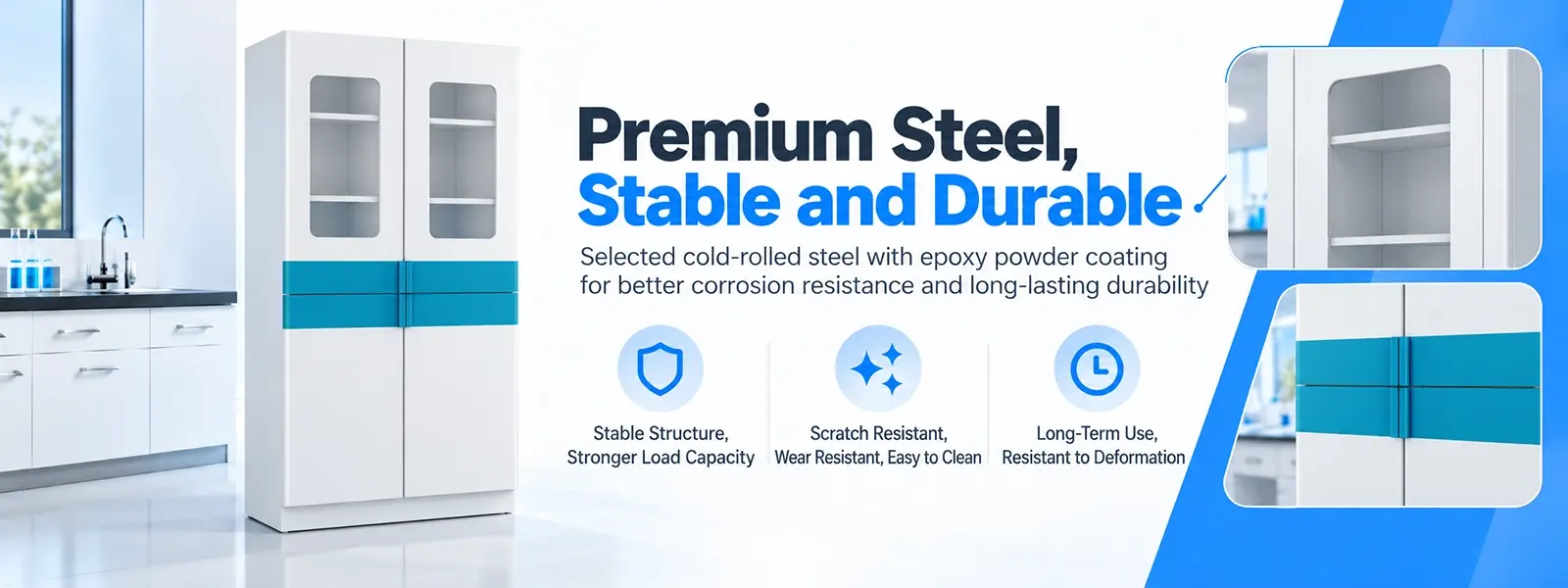
Surface Process: Epoxy electrostatic powder coating
Color Finish: Matte white, high-gloss white, or customized
Upper Door Design: Transparent 5 mm glass doors for easy observation
Lower Door Design: Solid steel double-layer doors with sound-absorbing filling
Closing System: Door catches and buffer pads reduce impact noise
Hinge Configuration: High-quality hydraulic damping hinges or 304 stainless steel 5-knuckle hinges
Lock Configuration: Folding-key blade lock for safe storage control
Handle Configuration: Alloy recessed handle, stainless steel U-shaped handle, integrated gooseneck handle, or aluminum profile handle
- Product Description
Steel Reagent Cabinet for Laboratory Safety | Professional Chemical Storage Solution with Superior Corrosion Protection
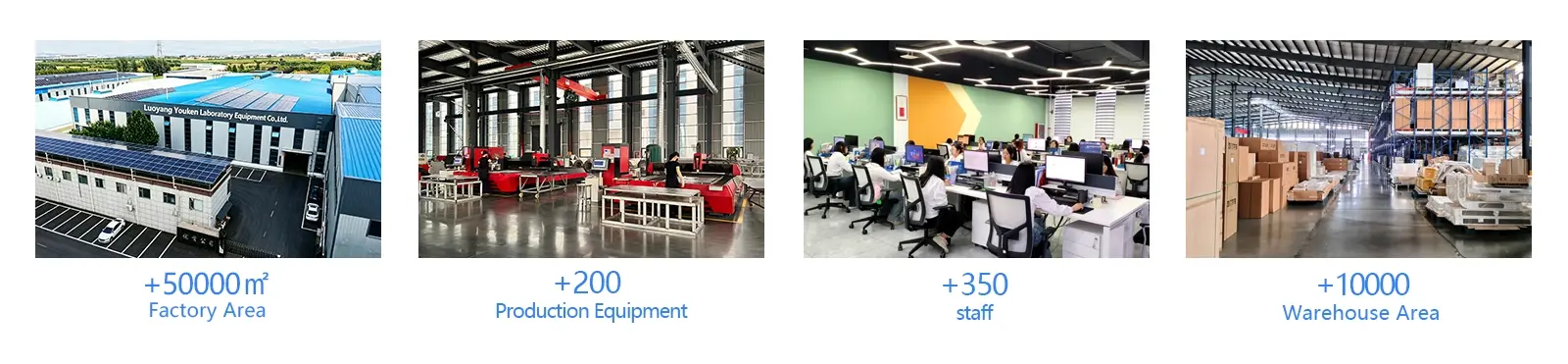
Luoyang Youken Laboratory Equipment Co., Ltd. engineers the Steel Reagent Cabinet using 1.0 mm cold-rolled steel with epoxy electrostatic powder coating to deliver institutional-grade chemical storage for pharmaceutical laboratories, research facilities, and medical institutions. Each cabinet is manufactured in our ISO-certified 30,000 m² manufacturing facility and has dual-layer steel doors with sound-absorbing cores, hydraulic damping hinges and blade-lock security systems. The standard dimensions of W900×D450×H1800 mm allow 1.8 m vertical storage for reagent bottle organisation. With 100 skilled engineers, our cabinets meet international CE, SEFA and SGS requirements and serve chemical labs, biological research centres and pharmaceutical GMP facilities across the globe.
Why Choose Steel Construction for Reagent Storage
In chemical settings steel has clear benefits over wood or plastic options. The product is fabricated from a cold-rolled steel substrate designed to stand up to the corrosive vapours of acids, bases, and organic solvents used in analytical chemistry. While wood absorbs moisture and warps with changes in humidity, steel retains its dimensional stability throughout a temperature range of -10°C to +60°C.
The epoxy powder coating forms a non-porous barrier to prevent chemical splash and vapour penetration. This surface coating avoids contamination of the reagent by materials of the cabinet, but allows for fast disinfection with normal laboratory disinfectants. Steel structure also minimises the hazards of accelerated fire with composite wood goods, in line with laboratory safety rules that require flammable chemicals to be stored in non-combustible materials.
Innovations in Door Technology
In our dual-layer door, two steel panels are separated by sound-absorbing materials to mitigate the closing impact noise when used in laboratories sharing the same area. The translucent 5 mm glass top doors enable visual inventory checks without opening and limit exposure to volatile substances during reagent locating. Opaque storage for light-sensitive compounds needing protection from UV damage is provided by lower solid steel doors.
Hydraulic dampening hinges slow the door's closing speed, to minimise rapid air pressure fluctuations that may perturb precise balances or disrupt adjoining laminar flow hoods. For multi-user facilities needing monitoring of prohibited substances, the folding-key blade lock system provides keyed-different or keyed-alike options. Door catches with integrated buffer pads decrease metal-on-metal contact, increasing the service life of the hinge to over 100,000 operating cycles.
Material Specifications and Coating Technology of Steel Reagent Cabinet
| Component | Specification |
|---|---|
| Cabinet Body Material | 1.0 mm Cold-Rolled Steel Plate |
| Surface Treatment | Epoxy Electrostatic Powder Coating |
| Color Options | Matte White, High-Gloss White, Custom RAL Colors |
| Upper Doors | 5 mm Transparent Safety Glass |
| Lower Doors | Double-Layer Steel with Sound Absorption |
| Hinge Type | Hydraulic Damping or 304 Stainless Steel 5-Knuckle |
| Lock System | Folding-Key Blade Lock |
| Handle Options | Alloy Recessed, Stainless U-Shape, Gooseneck, Aluminum Profile |
| Standard Dimensions | W900 × D450 × H1800 mm |
Electrostatic powder coating is charged particles of epoxy that molecularly connect during heat curing to form scratch resistant surfaces that adhere better than wet paint. This finish resists acetone wipes and 5% sodium hypochlorite solutions used in regular lab cleanliness practices.
Cross Industry Applicability Framework
The Steel Reagent Cabinet is used in many institutional settings where it is important to store chemicals safely. These cabinets provide lockable access to reference standards and testing reagents in pharmaceutical quality control labs that complies with the traceability requirements of FDA 21 CFR Part 11. They are used in chemistry teaching laboratories in schools to separate the materials that students may access from the dangerous compounds that are regulated by the instructors.
Hospital pathology departments utilize steel cabinets for histology stains and fixatives, where the corrosion-resistant coating endures daily exposure to formalin vapors and xylene. Research and development facilities in biotechnology value the customizable interior configurations accommodating various bottle sizes from 100 mL to 2.5 L volumes. Cleanroom environments benefit from the smooth epoxy surface that resists particle accumulation and supports ISO Class 7-8 cleanliness standards.
Customization Capabilities and Flexible Design
Your facility's unique requirements drive our engineering approach. Cabinet exteriors accept custom RAL color matching to coordinate with existing laboratory architecture or institutional branding guidelines. Interior shelving adjusts on 50 mm increments to accommodate tall reagent bottles or bulky container storage. Perforated steel shelves enable air circulation for volatile compound dispersal while solid shelves contain spill events.
Manage options for user preferences and accessibility requirements. Recessed alloy handles retain tight aisle clearances in tiny labs, while stainless steel U-shaped handles allow gloved operation in sterile situations. Personnel with restricted hand mobility are provided with ergonomic grasp angles by the integrated gooseneck handles. As project specific additions we create drawer inserts, partitioned compartments and bottle retention systems.
Assembly and Installation Support
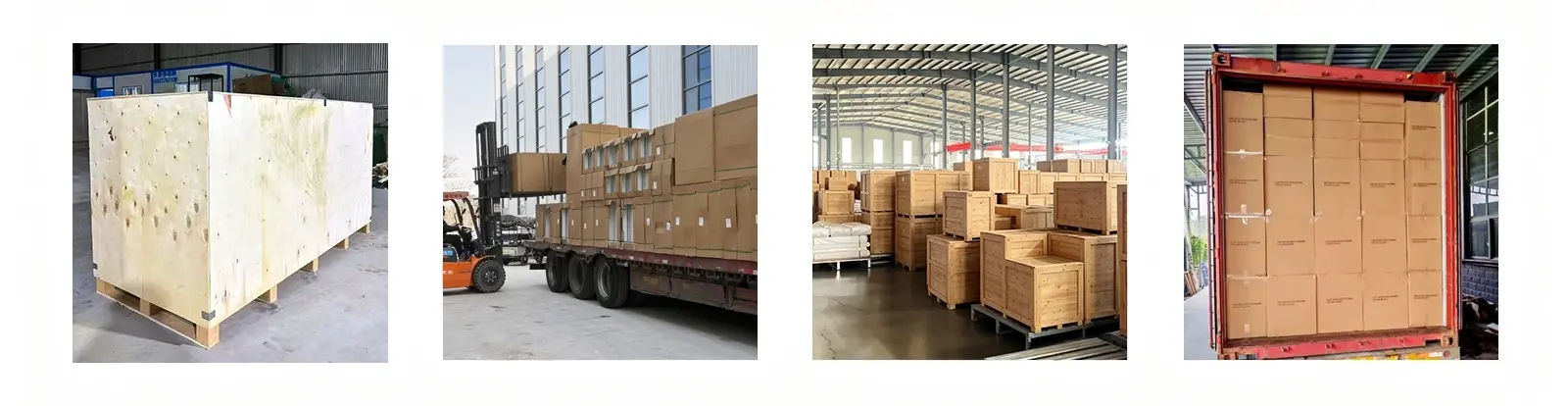
For an optimised logistics, we provide cabinets either in knock-down or completely constructed versions. Knock-down packaging cuts international freight expenses for multiple units by reducing shipment volume by 40%. Each part is labelled with a number according to the complete assembly drawings in PDF and CAD formats.
Installation typically requires two technicians and basic hand tools, with average assembly time of 90 minutes per unit. We provide video tutorials demonstrating critical steps including door alignment, hinge adjustment, and leveling procedures for uneven flooring. For large-scale projects exceeding 50 units, our engineering team offers on-site installation supervision and workforce training. Remote technical support remains available throughout your cabinet's operational lifespan via email and video conferencing.
Quality Assurance Through Production Lifecycle
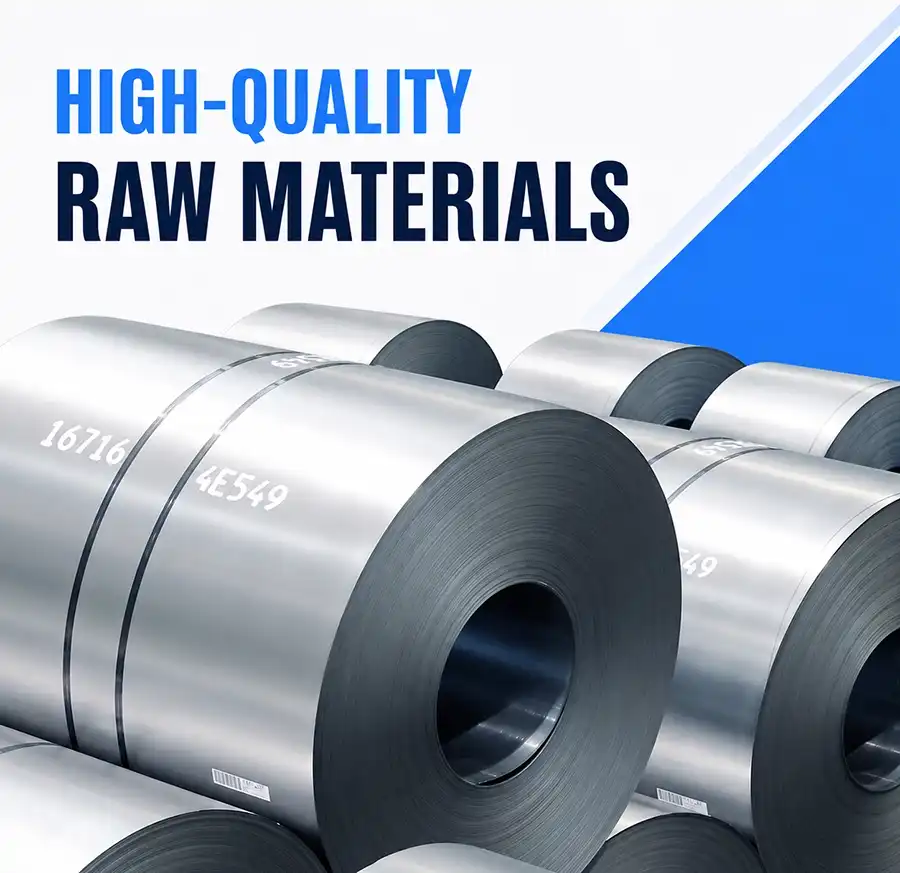
Quality control checkpoints occur at six production stages. Raw material verification confirms steel gauge thickness and coating powder composition meet specification sheets. Sheet metal processing undergoes dimensional inspection using coordinate measuring machines with ±0.5 mm tolerance verification. Welding seams receive dye penetrant testing to detect micro-cracks before powder coating application.
Thickness measurements after coating to guarantee 60-80 micron film build for optimum corrosion protection. Before packing, assembly teams check door-to-frame clearances, smoothness of hinge motion and lock engagement. Final inspections include comparison of completed cabinets to authorised shop designs and photographic documentation of the final product for customer quality audits. This systematic method guaranties that all products fulfil worldwide laboratory furniture requirements and is the reason we have an ISO 9001 accreditation.
FAQ
Q:Can the cabinets be supplied in knock-down construction?
A:Yes. Knock-down and fully assembled structures are both available. Knock-down packaging helps reduce shipping volume and transportation costs.
Q:Is the product easy to assemble?
A:Yes. Products are designed with clear assembly structures. Installation drawings, numbered components, and video guidance can be provided when required.
Q:How do you control product quality?
A:Quality inspections are carried out during material preparation, sheet metal processing, welding, powder coating, assembly, and final packaging. Products are checked before shipment according to the confirmed drawings and specifications.
Q:Do you provide installation support?
A:Yes. We provide assembly drawings, installation manuals, videos, and online technical support. On-site installation guidance can also be discussed for large projects.
Q:What is your minimum order quantity?
A:The MOQ depends on the product type and customization requirements. Trial orders and project sample orders are welcome.
Contact Us
Ready to enhance your laboratory's Steel Reagent Cabinet chemical storage infrastructure? Contact our engineering team at ceo@ukenlab.com to discuss your project requirements, request CAD drawings, or schedule a consultation for customized cabinet configurations tailored to your facility's operational needs.

CUSTOMER REVIEWS
What Our Customers Say