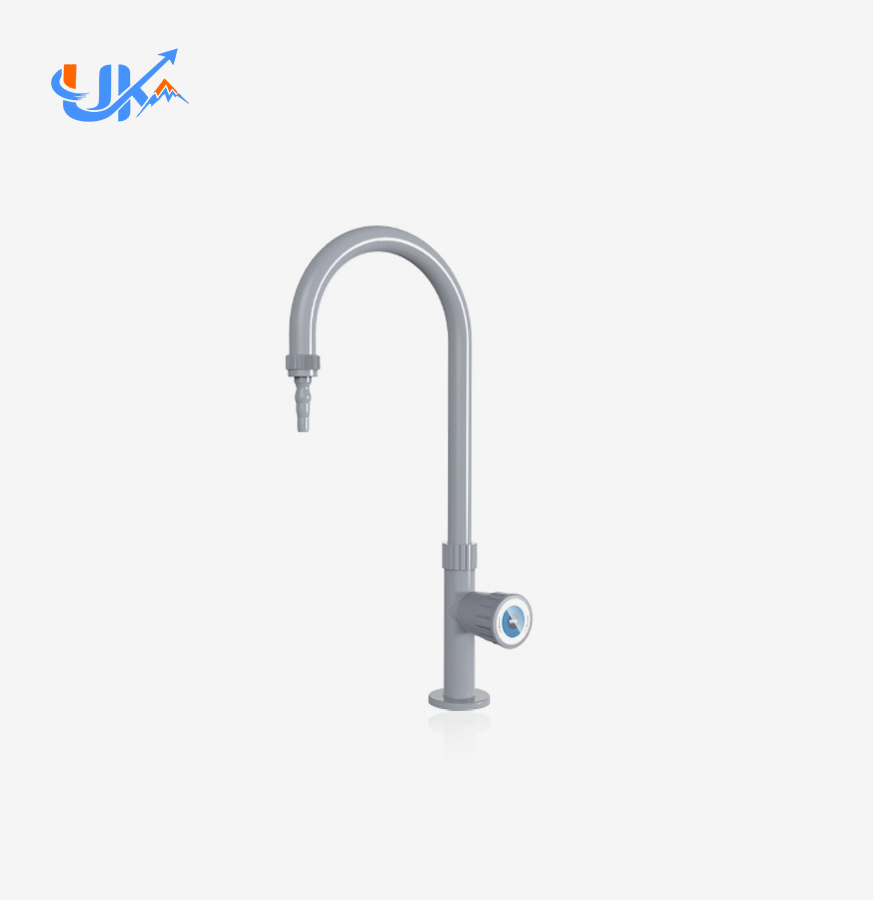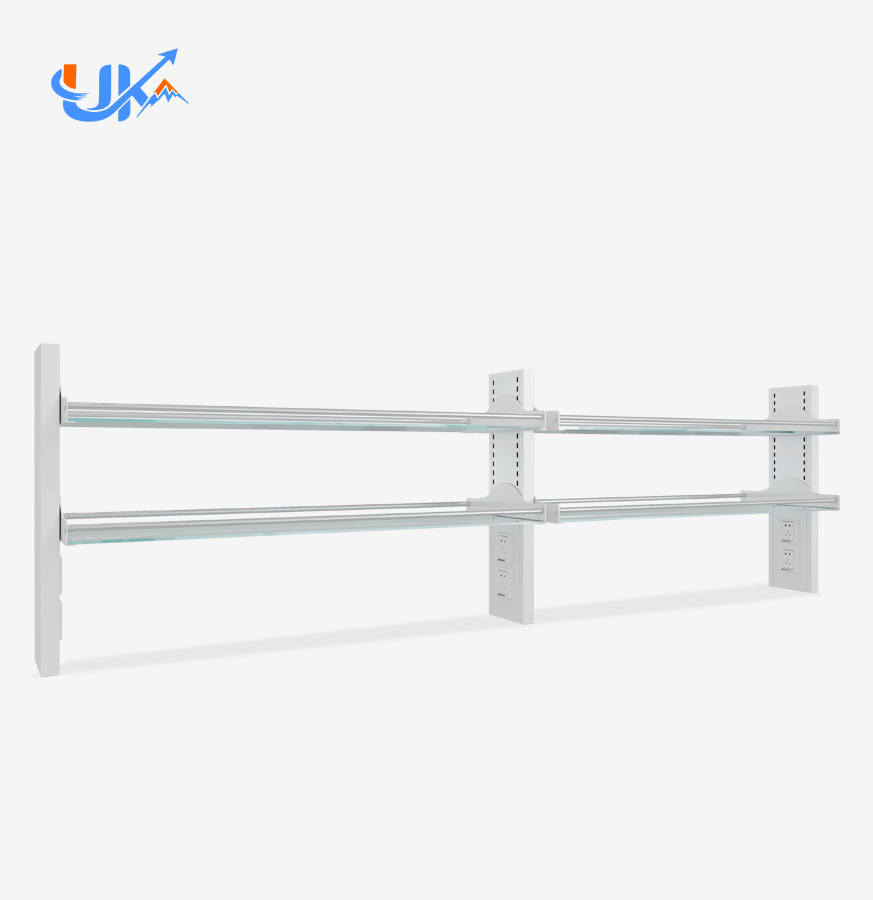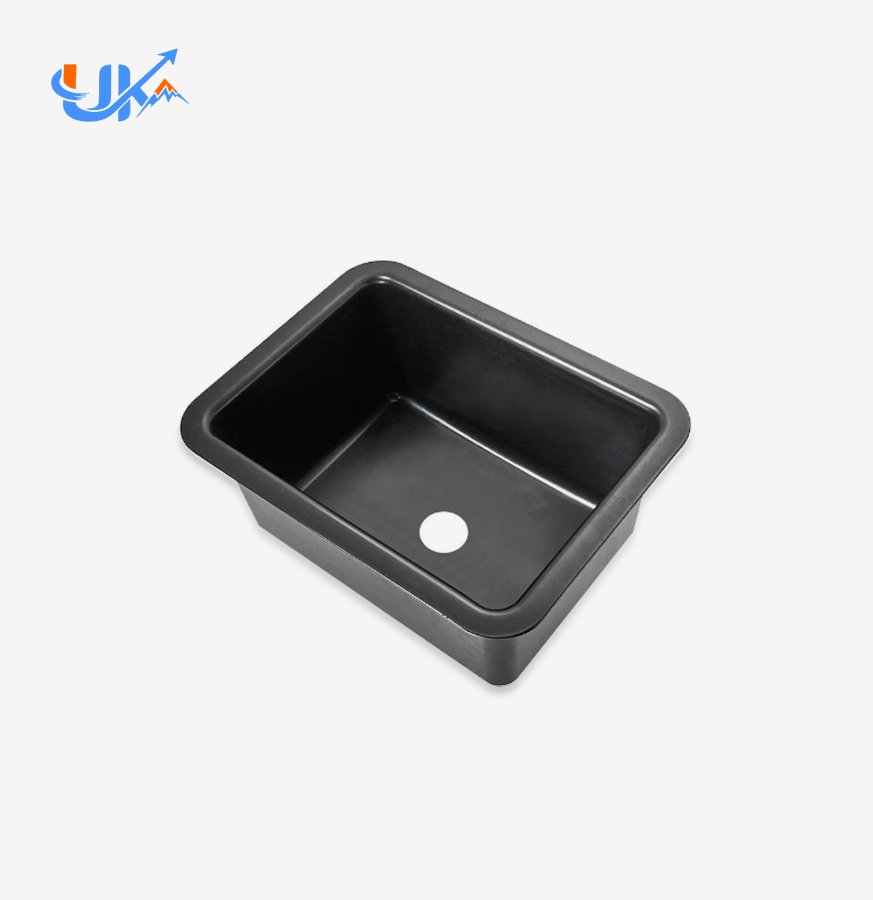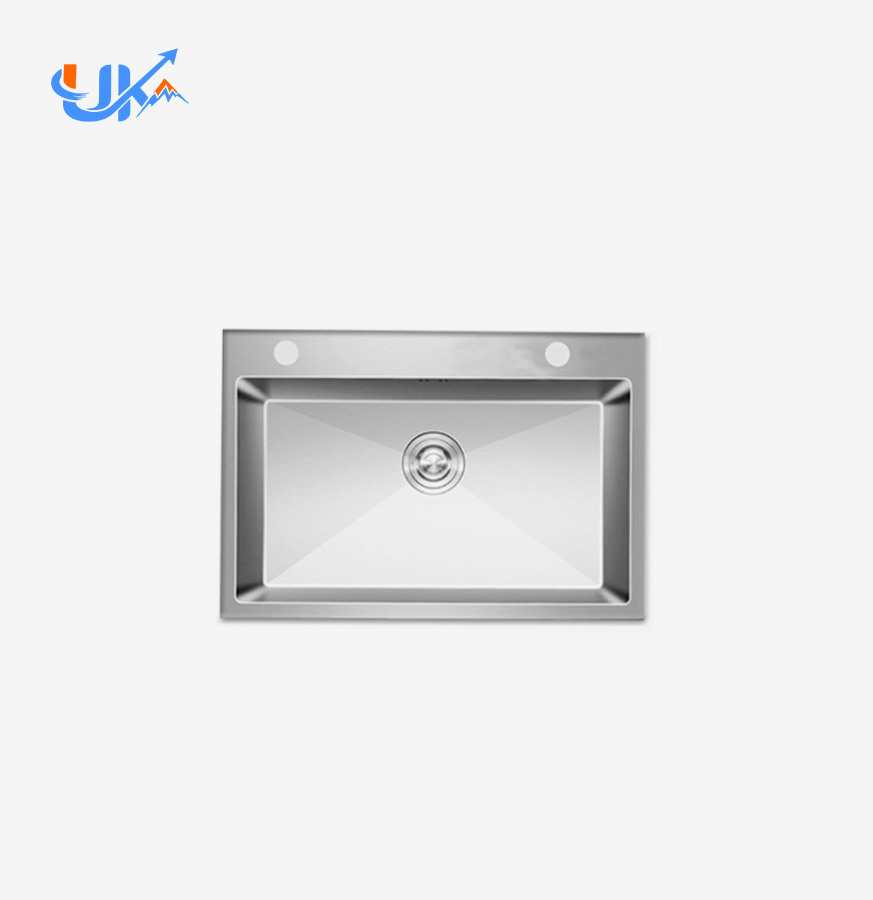

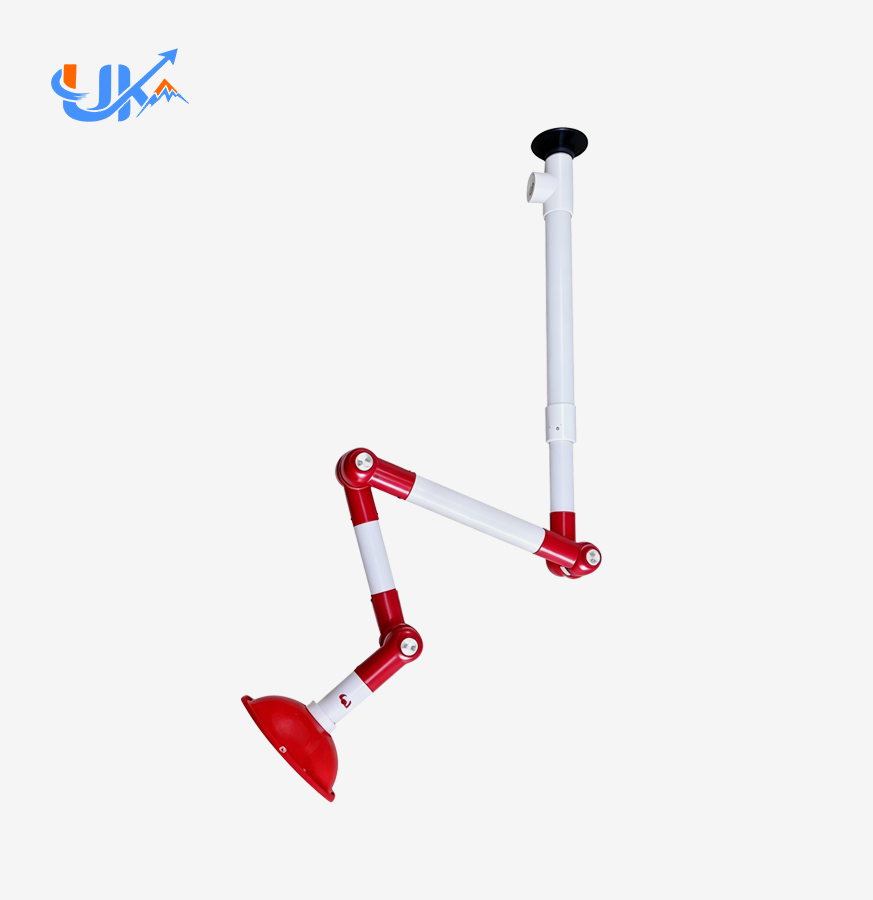
PP Exhaust Hood
PP material withstands strong acid, alkali and chemical corrosion, fit for corrosive fume environments.
Anti-aging and erosion-resistant, free from cracking and deformation in long-term use.
Heat-resistant and flame-retardant for enhanced safety.
Insulated and non-conductive, eliminating electrical hazards.
Structural & Functional Design
Streamlined air collection design enhances suction to quickly exhaust harmful gases and odors.
Smooth surface resists dust and stains, easy water cleaning.
Adaptable to various laboratory exhaust system layouts.
- Product Description
PP Exhaust Hood – Premium Chemical-Resistant Laboratory Ventilation Solution
When your research facility handles forceful chemicals day by day, you require ventilation gear that won't come up short you. The PP Exhaust Hood from Luoyang Youken Laboratory Equipment conveys unmatched erosion resistance in the most requesting situations. Made at our 30,000 m² generation office, each unit is designed by our group of 100 proficient engineers to withstand solid acids, antacids, and natural solvents without degradation.
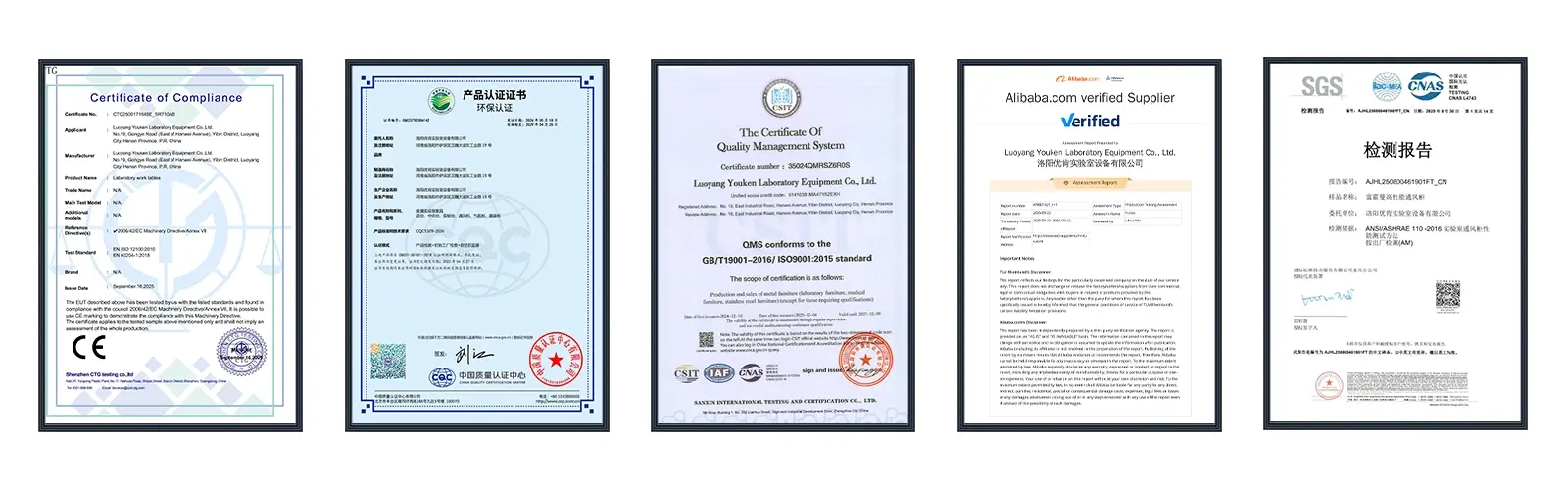
Our item highlights high-density polypropylene development that stands up to chemical assault distant past conventional metal options. With demonstrated resistance to hydrofluoric corrosive, sulfuric corrosive, and caustic arrangements, this hood keeps up auxiliary astuteness where stainless steel would erode inside months. You're contributing in hardware certified to ISO, CE, SEFA, and SGS standards—assurances that matter when security is non-negotiable.
The streamlined discuss collection plan guarantees productive capture of unsafe vapor at the source. You'll appreciate the warm resistance up to 160°C, flame-retardant properties assembly UL 94 guidelines, and electrical cover that dispenses with stun dangers in damp chemical environments.
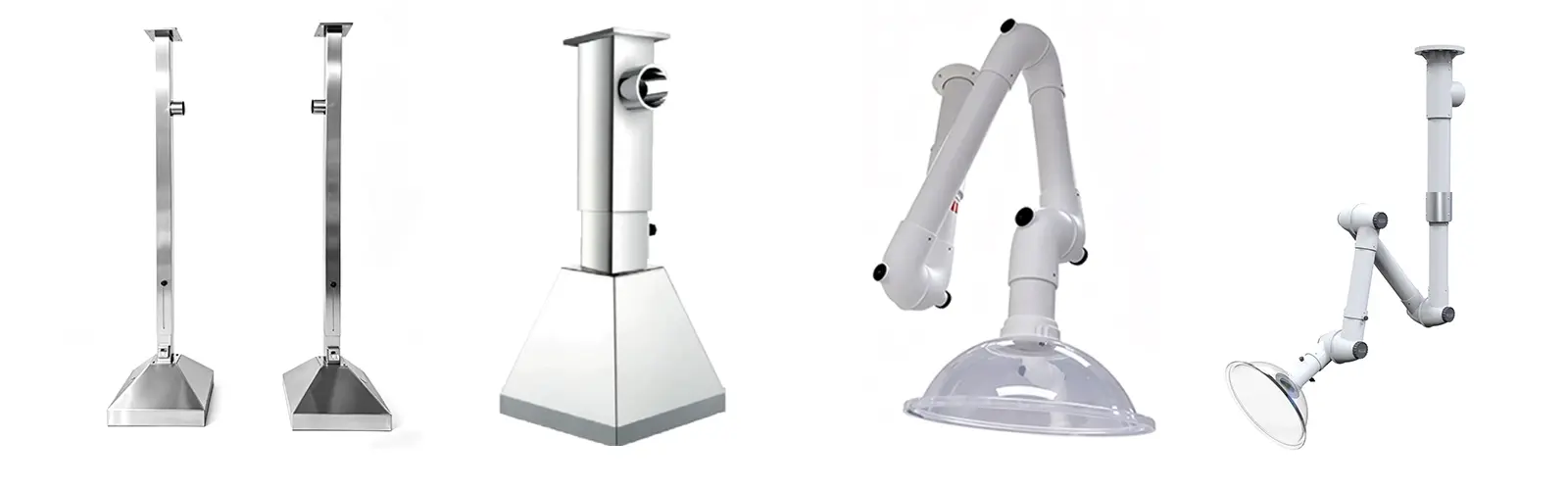
Why Choose a PP Exhaust Hood Over Metal Alternatives?
Traditional stainless steel hoods show genuine impediments in destructive situations. They rust, pit, and require visit replacement—driving up your add up to fetched of ownership.
Our PP Exhaust Hood tackles these torment focuses with chemically idle polypropylene that keeps up execution for 15-20 a long time in forceful conditions. The fabric thickness of 0.90-0.91 g/cm³ gives toughness without abundance weight. Dampness assimilation remains underneath 0.01%, avoiding swelling or dimensional changes.
You won't confront the oxidation disappointments that torment metal gear. The non-conductive surface dispenses with electrical dangers close watery arrangements. And the smooth, non-porous wrap up stands up to bacterial development whereas streamlining purification procedures.
Your upkeep costs drop altogether. Basic water cleaning evacuates chemical buildups. No rust treatment, no defensive coatings, no untimely basic repairs—just dependable day by day operation.
Critical Applications Across High-Risk Industries
Pharmaceutical and Chemical Synthesis Laboratories
Your R&D groups work with unstable reagents that produce destructive vapors. Our item captures these outflows straightforwardly at the response vessel, securing both staff and your facility's HVAC framework from corrosive damage.
Semiconductor and Gadgets Manufacturing
Cleanroom damp seats request supreme erosion resistance. The hood encourages secure carving and wafer cleaning forms where indeed minor metal defilement ruins item yields. Your prepare astuteness remains intact.
Industrial Surface Treatment Facilities
Electroplating, anodizing, and metal wrapping up operations create forceful fogs over warmed chemical showers. Our hoods withstand these high-humidity, high-corrosivity conditions that crush standard ventilation gear inside months.
Educational and Investigate Institutions
Chemistry divisions require strong, secure hardware that withstands shifted chemical exposures over different educating labs. The thing conveys steady assurance semester after semester with negligible support demands.
Technical Specifications
| Parameter | Specification |
|---|---|
| Primary Material | Virgin High-Density Polypropylene (PP) |
| Material Density | 0.90-0.91 g/cm³ |
| Melting Point | Up to 160°C |
| Continuous Use Temperature | 80-90°C (standard); higher with heat-stabilized variants |
| Chemical Resistance | Strong acids (HF, H₂SO₄, HCl), alkalis, organic solvents |
| Moisture Absorption | <0.01% |
| Flame Resistance | UL 94 V-0 or HB rated |
| Electrical Properties | Non-conductive, insulated |
| Face Velocity | 0.5 m/s (100 fpm) typical |
| Compliance Standards | ISO 9001, SEFA 1, ASHRAE 110, CE, SGS certified |
| Expected Service Life | 15-20 years in corrosive environments |
| Surface Finish | Smooth, non-porous, easy-clean |
Superior Material Properties for Lasting Performance
Comprehensive Chemical Resistance
Your operations include unusual chemical combinations. The polypropylene development stands up to for all intents and purposes all research facility acids, bases, and solvents. You pick up peace of intellect knowing the hood won't corrupt from coincidental spills or schedule exposure.
Thermal and Fire Safety
Heat-resistant definitions keep up dimensional steadiness amid elevated-temperature methods. Flame-retardant added substances avoid fire proliferation, assembly rigid research facility security codes. You're secured on numerous fronts.
Structural Durability
Despite forceful chemical introduction, the fabric remains crack-free and deformation-resistant. Load-bearing work surfaces bolster overwhelming explanatory gear without drooping. Your venture keeps up usefulness year after year.
Hygiene and Upkeep Efficiency
The smooth surface anticipates particulate aggregation and bacterial colonization. Basic water flushing evacuates chemical buildups totally. You'll spend less time on cleaning conventions and more time on profitable work.
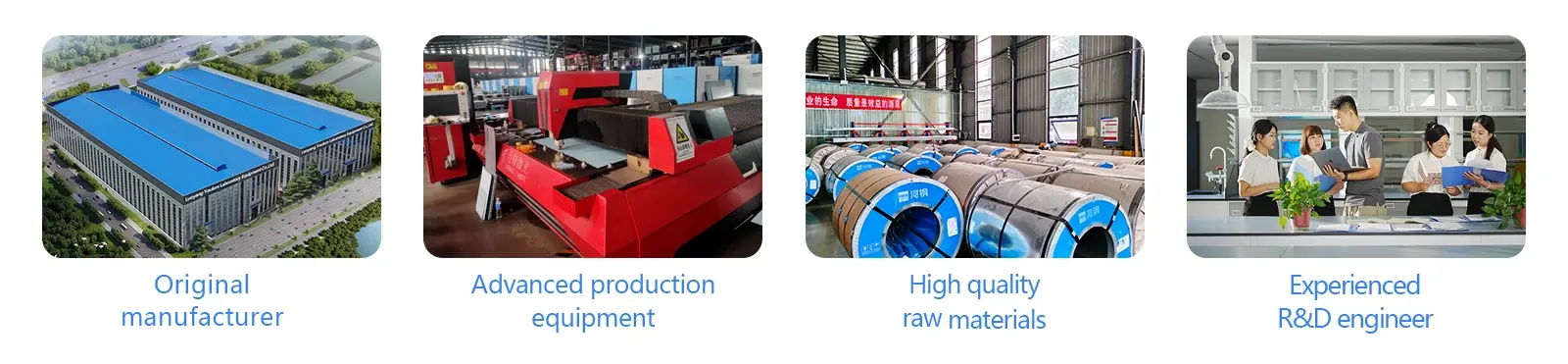
Rigorous Quality Control Standards
We get it you're making a basic security venture. That's why each PP Exhaust Hood experiences comprehensive quality confirmation some time recently shipment.
Weld Judgment Testing
Extrusion-welded creases get high-voltage start testing and ultrasonic review. We ensure 100% leak-proof development with no potential rage elude pathways. Your control is absolute.
Containment Verification
ASHRAE 110 testing conventions utilize smoke visualization and SF6 tracer gas investigation. We confirm appropriate confront speed and affirm zero turbulence or backdraft conditions. The hood performs precisely as engineered.
Material Virtue Analysis
We utilize as it were virgin polypropylene—never reused fabric that compromises chemical resistance. Free research facility investigation affirms fabric determinations some time recently fabricating begins.
Mechanical Push Testing
Integrated work surfaces and scarf instruments experience tedious stack cycling. We confirm operational unwavering quality beneath real-world conditions, guaranteeing your gear won't come up short amid basic procedures.
Key Advantages for Your Laboratory Operations
Simple Emergency Activation
Intuitive controls enable immediate operation without specialized training. In emergency situations, any laboratory personnel can activate the exhaust system instantly. Your response time is measured in seconds, not minutes.
Versatile System Integration
The hood adapts to various laboratory exhaust configurations. Whether you're upgrading existing facilities or designing new construction, installation integrates smoothly with your HVAC infrastructure.
Regulatory Compliance Built-In
You face stringent safety regulations across pharmaceutical, chemical, and educational sectors. Our product meets OSHA, EPA, and international laboratory safety standards out of the box. Your compliance documentation is straightforward.
Reduced Total Cost of Ownership
Initial investment in polypropylene construction pays dividends through extended service life and minimal maintenance. You'll replace this hood once instead of replacing metal equipment multiple times over the same period.
Frequently Asked Questions
Q:How does a product differ from a standard stainless steel hood?
A:While stainless steel corrodes when exposed to strong acid vapors like HCl, our polypropylene construction is inherently corrosion-proof. You get superior longevity in acid-heavy environments without rust or structural degradation.
Q:Can it handle high-temperature reactions?
A:Standard polypropylene supports continuous use up to 80-90°C. For higher temperature applications, we offer heat-stabilized polypropylene variants or ceramic-lined work surfaces. Your specific thermal requirements determine the optimal configuration.
Q:Is the item fire-resistant?
A:Absolutely. Professional-grade units use flame-retardant polypropylene meeting UL 94 V-0 standards. The material prevents fire spread and self-extinguishes, providing critical protection in laboratory environments.
Q:How do I maintain optimal airflow performance?
A:Regular face velocity sensor calibration and annual ASHRAE 110 smoke testing keep your system within safety parameters. We recommend partnering with certified laboratory safety consultants for periodic verification.
Q:What is the expected lifespan in a corrosive lab environment?
A:A properly maintained product operating within its chemical compatibility range typically delivers 15-20 years of service. This significantly outlasts metal alternatives that require replacement every 3-5 years in similar conditions.
Q:Can I customize dimensions for specific applications?
A:Yes. Our 100-engineer team designs custom configurations matching your exact laboratory layout, workflow requirements, and chemical handling protocols. You receive equipment optimized for your specific operations.
Ready to Upgrade Your Laboratory Ventilation?
Contact Us today at ceo@ukenlab.com to discuss your requirements for PP Exhaust Hood and receive a detailed technical proposal.

CUSTOMER REVIEWS
What Our Customers Say